
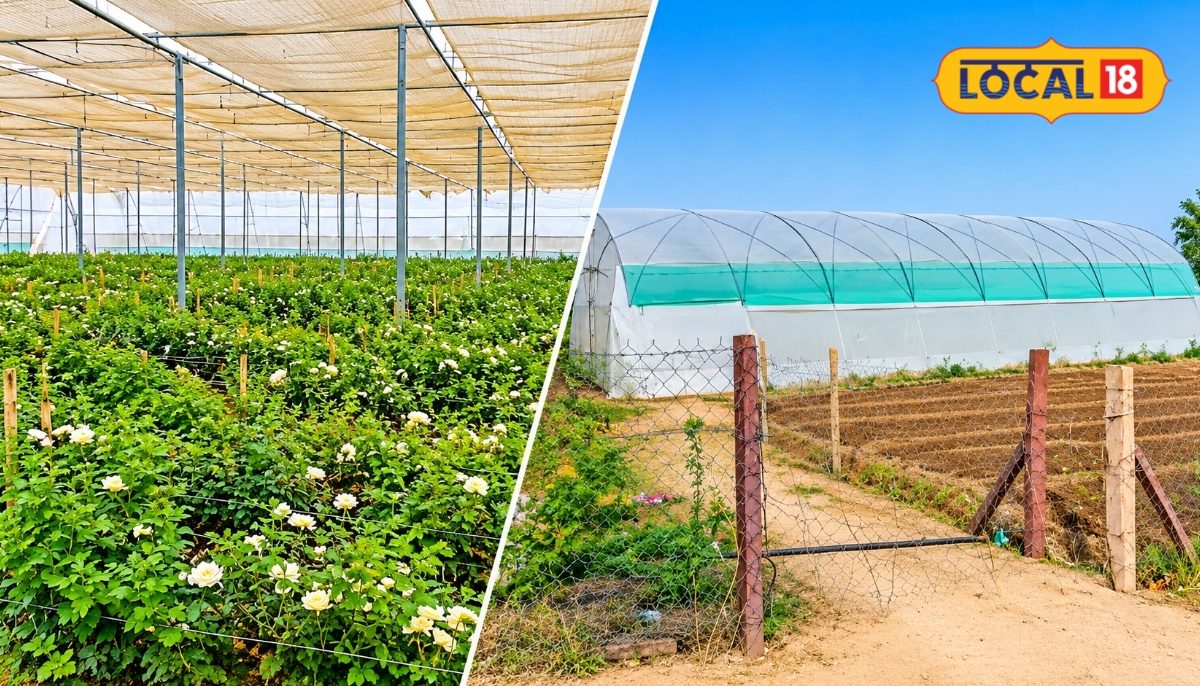
Agriculture News: Polyhouse technology is rapidly emerging as a superior and resilient agricultural alternative for farmers in the Nagaur region. Amid escalating climate unpredictability and erratic weather patterns, traditional farming methods often expose crops to severe vulnerabilities. In response to these growing environmental challenges, protected cultivation structures offer a reliable shield, ensuring that agricultural livelihoods remain secure and economically viable throughout the year.
The historical context of agricultural challenges in this region reveals a constant struggle against extreme heatwaves, sudden unseasonal downpours, and destructive pest infestations. For generations, local cultivators faced immense financial losses when weather anomalies ruined their seasonal harvests. The advent and gradual adoption of modern polyhouse infrastructure mark a significant paradigm shift, transitioning local farming practices from complete dependence on open-sky uncertainties toward controlled-environment precision agriculture.
Examining the ground reality and financial mechanics, this technology empowers cultivators to produce high-value vegetables and delicate flowers irrespective of external weather conditions. The integration of advanced drip irrigation and precise fertigation mechanisms ensures optimal utilization of essential resources. By delivering water and nutrients directly to the plant roots, these systems eliminate massive wastage, drastically reduce operational costs, and maximize productivity even on relatively small landholdings.
Stakeholder perspectives from the agricultural community emphasize the transformative potential of this protected farming model. Local cultivators and progressive farming advocates note that the ability to grow crops continuously across all twelve months guarantees a steady stream of market supply and regular income generation. The transition towards polyhouse adoption addresses longstanding anxieties regarding market price volatility driven by seasonal crop failures and supply chain disruptions.
The regional impact of this agricultural advancement extends far beyond individual farm gates, influencing the broader socio-economic fabric of the district. Enhanced productivity and consistent market availability strengthen local rural economies, uplift the financial status of farming families, and inspire younger generations to engage in modern, technology-driven agriculture rather than abandoning traditional lands due to low profitability.
Administrative responses and agricultural extension services continue to play a crucial role in promoting these advanced techniques. Local agricultural departments and advisory bodies are actively working to educate cultivators on the technical nuances of polyhouse management, infrastructure setup, and resource conservation protocols to ensure long-term sustainability and widespread adoption across the region.
Looking toward the forward outlook, the continued expansion of polyhouse farming promises a secure and prosperous future for the agrarian community. As more farmers embrace protected cultivation, the region is poised to witness heightened agricultural resilience, improved market competitiveness, and a sustainable model of rural development that effectively mitigates the adverse impacts of changing weather patterns.
