
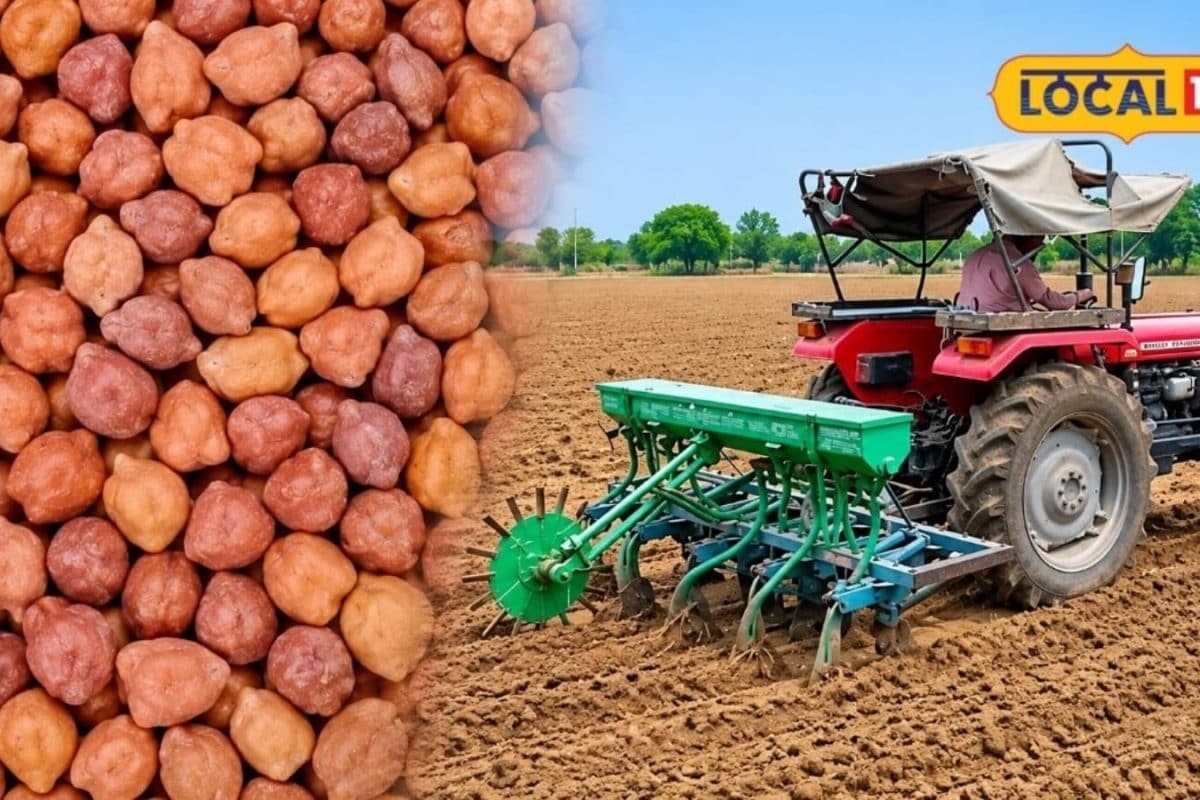
As the Rabi agricultural season gains momentum, cultivating chickpea emerges as a highly lucrative and economically viable option for farming communities seeking substantial returns on minimal investment. Agricultural specialists emphasize that adopting improved crop varieties along with modern scientific techniques can dramatically elevate agricultural productivity across the region. With strategic planning and careful resource management, farmers can transform traditional farming into a highly profitable enterprise during the winter cropping cycle.
Reflecting on historical agricultural practices and the evolving demands of the agrarian economy, experts note that chickpea cultivation has long served as a backbone for rural livelihoods during the dry winter months. Over generations, farming communities have refined their understanding of regional soil capabilities and weather patterns. Today, integrating this traditional wisdom with modern agricultural science allows producers to optimize their land use and achieve unprecedented stability in crop yields.
Examining the ground realities and technical requirements of successful cultivation, experienced practitioners point out specific parameters that dictate harvest success. According to expert observations from Nagaur, advanced chickpea production relies heavily on selecting well-drained loam soils, which prevent water stagnation and promote deep root development. Furthermore, adhering strictly to recommended sowing schedules—specifically between the middle of October and the middle of November—is crucial for establishing healthy plant populations before winter temperatures peak.
The broader regional implications of adopting these advanced agricultural methods extend deeply into the rural economy of districts like Kotputli-Behror and surrounding areas. Enhanced chickpea yields not only secure financial prosperity for individual farming households but also stimulate local markets, grain trade networks, and agricultural supply chains. A thriving harvest strengthens the rural financial ecosystem, ensuring greater economic resilience and improved standards of living for farming communities throughout the region.
Administrative bodies, agricultural departments, and extension agencies continue to provide crucial oversight and technical support to ensure that farming communities successfully implement these recommended practices. Through localized workshops, advisory campaigns, and soil testing initiatives, agricultural authorities strive to empower producers with timely information regarding seed selection, disease control, and optimal input usage. This coordinated institutional backing ensures that farmers can navigate seasonal challenges effectively and maximize their economic returns.
Looking toward the forward outlook of the upcoming harvest season, public expectations remain high as agricultural experts and local administrators monitor weather patterns and crop development closely. By maintaining disciplined adherence to scientific sowing timelines, proper seed treatments, and careful weed management, the agricultural community anticipates a robust and profitable yield. Continuous collaboration between farmers, experts, and administrative bodies will remain the cornerstone of sustainable agricultural growth in the years to come.
