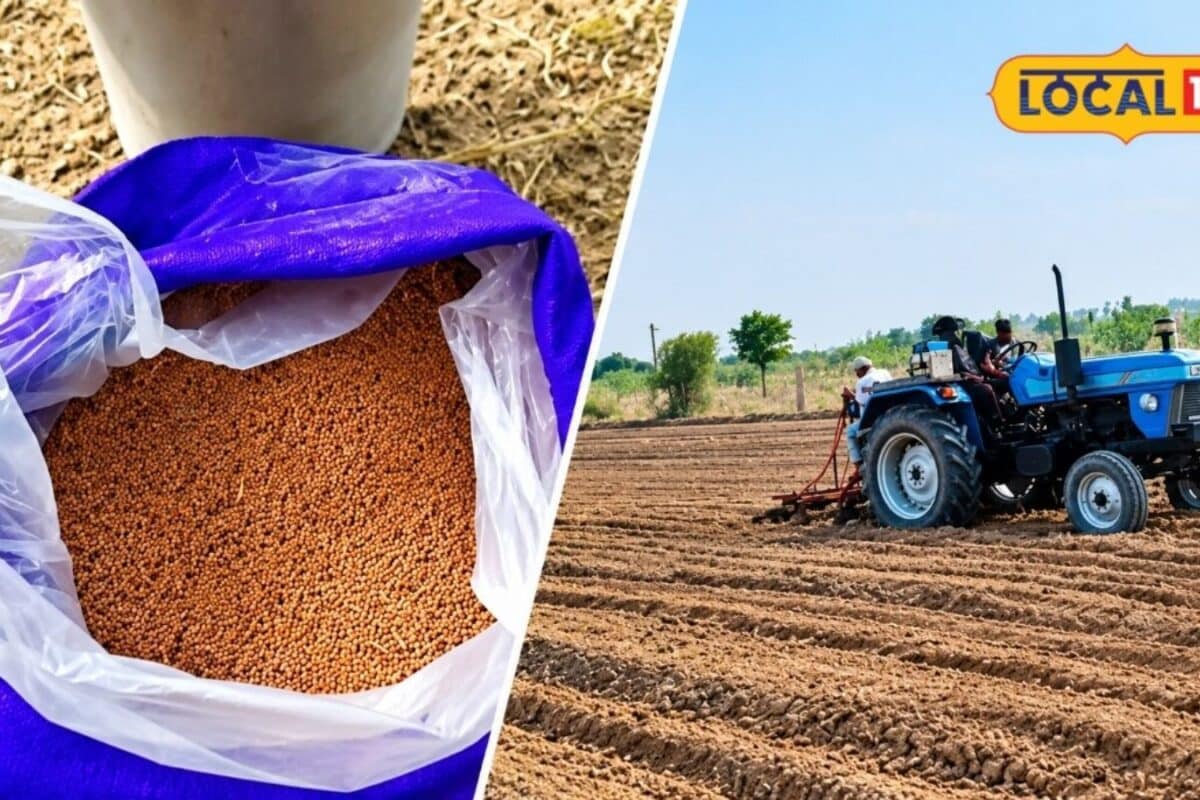
In the arid and semi-arid landscapes of Nagaur, where scarce rainfall and weak soil conditions routinely challenge traditional agricultural practices, the Rabi season introduces a resilient alternative for local cultivators. Taramira farming has emerged as a reliable agricultural strategy for farmers facing severe water limitations and soil nutrient deficits. Agricultural authorities and regional experts emphasize that this hardy oilseed crop thrives precisely where other conventional crops struggle to survive, providing a vital economic cushion for rural households.
The historical context of farming in the Marwar region is defined by persistent water scarcity and erratic precipitation patterns, which historically forced communities to constantly adapt their agrarian methods. Over generations, local cultivators recognized the exceptional drought-tolerance of oilseed crops suited to marginal soils. Taramira, deeply rooted in the agricultural traditions of this area, requires minimal moisture and low capital investment, making it a historically significant crop for sustenance and rural resilience against environmental adversities.
Examining the ground reality, financial stakes, and logistical parameters involved reveals that Taramira cultivation relies heavily on specific agronomic practices to maximize output. The ideal window for sowing spans from mid-September to mid-October, allowing the crop to establish strong roots before harsher winter conditions set in. Farmers are advised to utilize light loam soil alongside high-yielding and resilient seed varieties such as RTM-314 and T-27. These specialized inputs ensure that cultivators achieve optimal productivity despite utilizing limited water resources and restricted financial budgets.
Stakeholder perspectives from agricultural extension workers, experienced farmers, and local market traders underscore the economic viability of this resilient crop. Farming community representatives frequently point out that the financial risk associated with Taramira is exceptionally low due to minimal requirements for fertilizers and artificial irrigation. Traders note a steady regional demand for the produce, ensuring that growers can secure fair market returns for their harvest without enduring the heavy debts typically incurred by water-intensive farming models.
The regional impact of successful Taramira cultivation extends deeply across the broader Marwar region, strengthening rural livelihoods and stabilizing community economies. In districts where irrigation infrastructure remains underdeveloped, the success of a low-water Rabi crop directly correlates with household food security and reduced agrarian distress. By transforming marginal lands into productive agricultural plots, local communities foster economic self-reliance and mitigate the financial vulnerabilities caused by unpredictable monsoon cycles and depleted groundwater tables.
Administrative oversight and institutional support play a crucial role in disseminating proper technical guidance to farmers embarking on Taramira cultivation. Regional agricultural departments and extension centers actively conduct awareness campaigns to educate growers on best practices regarding seed selection, optimal sowing times, and pest management. Authorities ensure that certified seeds of recommended varieties like RTM-314 and T-27 remain accessible through authorized distribution networks, thereby safeguarding agricultural standards and protecting farmers from substandard inputs.
Looking forward toward the harvest cycle and upcoming agricultural procedures, the timeline for Taramira cultivation spans precisely 140 to 142 days from the initial sowing date to complete maturity. As the crop progresses through its vegetative and flowering stages, agricultural experts advise continuous monitoring to manage any localized stress factors. With harvest readiness achieved within this structured timeframe, farmers can systematically plan their post-harvest storage and market sales, ensuring long-term prosperity and sustainable agricultural practices throughout the region.