
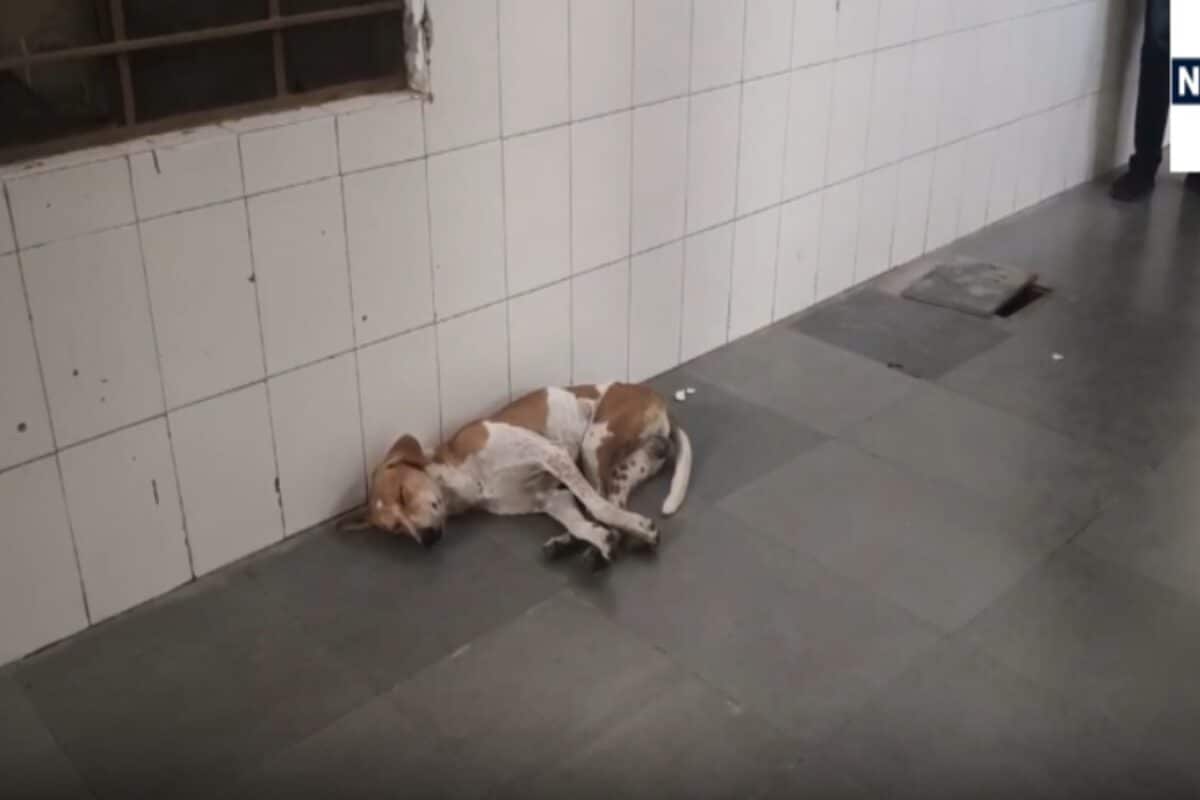
The public healthcare delivery mechanism within Tonk has plummeted into an unprecedented state of crisis, drawing severe criticism from citizens, civil society groups, and local stakeholders. Recent investigative reports emerging from the primary government medical facility in Tonk highlight a complete breakdown of administrative oversight, patient care protocols, and basic infrastructural hygiene. Patients arriving in urgent need of medical intervention are continuously met with locked or vacant doctor chambers, leaving them stranded without professional assistance or immediate treatment.
This deplorable situation is not an isolated occurrence but rather the culmination of prolonged administrative negligence and deeply entrenched systemic apathy within the healthcare apparatus of the region. Historically, the facility has struggled with internal governance issues, including severe lapses in supply chain management, improper storage of critical inventories, and alarming incidents involving the illicit theft of restricted pharmaceutical medications. Despite repeated public outcry and media scrutiny surrounding these historical vulnerabilities, supervisory authorities have failed to implement robust corrective measures or enforce institutional accountability.
The ground reality inside the hospital premises portrays a disturbing picture of infrastructural decay and utter disregard for human dignity. While ailing citizens wait endlessly on hard benches for physicians who remain conspicuously absent from their designated stations, stray dogs have virtually taken over the corridors, sleeping comfortably in areas meant for sterile patient movement and critical care access. Furthermore, the persistent unavailability of essential drugs and supplies compounds the agony of visiting patients, who are systematically denied free or subsidized healthcare services mandated by the state.
Frustrated by the prevailing chaos, local residents, community leaders, and affected families have voiced profound outrage over the apathy of the hospital administration. According to multiple accounts, common citizens who depend entirely on public healthcare infrastructure are being systematically alienated by the hostile environment and lack of medical personnel. With doctors unavailable and pharmacy stocks depleted, desperate patients find themselves with no viable alternative but to abandon the government facility and approach expensive private healthcare institutions, placing an unbearable financial burden on impoverished households.
The severe paralysis within the Tonk government medical facility carries profound socioeconomic ramifications for the entire region and surrounding communities. Access to affordable and reliable healthcare is a fundamental right of the populace, and the systematic failure of public medical infrastructure disproportionately affects daily wage earners, marginalized families, and rural visitors who travel long distances seeking relief. When public hospitals cease to function effectively, the resulting economic strain pushes vulnerable families into severe debt as they borrow money to pay exorbitant fees charged by private practitioners and commercial clinics.
In response to the mounting public anger and deteriorating institutional standards, community representatives and civic bodies are formally demanding immediate, high-level administrative intervention. Observers emphasize that departmental inquiries must transcend superficial tokenism and result in strict punitive actions against negligent personnel who abandon their official duties. Comprehensive systemic overhauls, transparent attendance monitoring for medical staff, and stringent security protocols within hospital wards are urgently required to restore public trust in the state-run healthcare machinery.
Looking ahead, the restoration of basic medical services at the Tonk government hospital hinges entirely on proactive oversight and sustained political will. Local authorities face an uphill battle to regain the confidence of the populace, requiring a strict timeline for rectifying supply chain failures, ensuring uninterrupted doctor availability, and maintaining strict hygienic standards across all wards. The coming weeks will prove critical in determining whether the administration can effectively cleanse the system of chronic negligence or if ordinary patients will continue to bear the brunt of institutional indifference.
