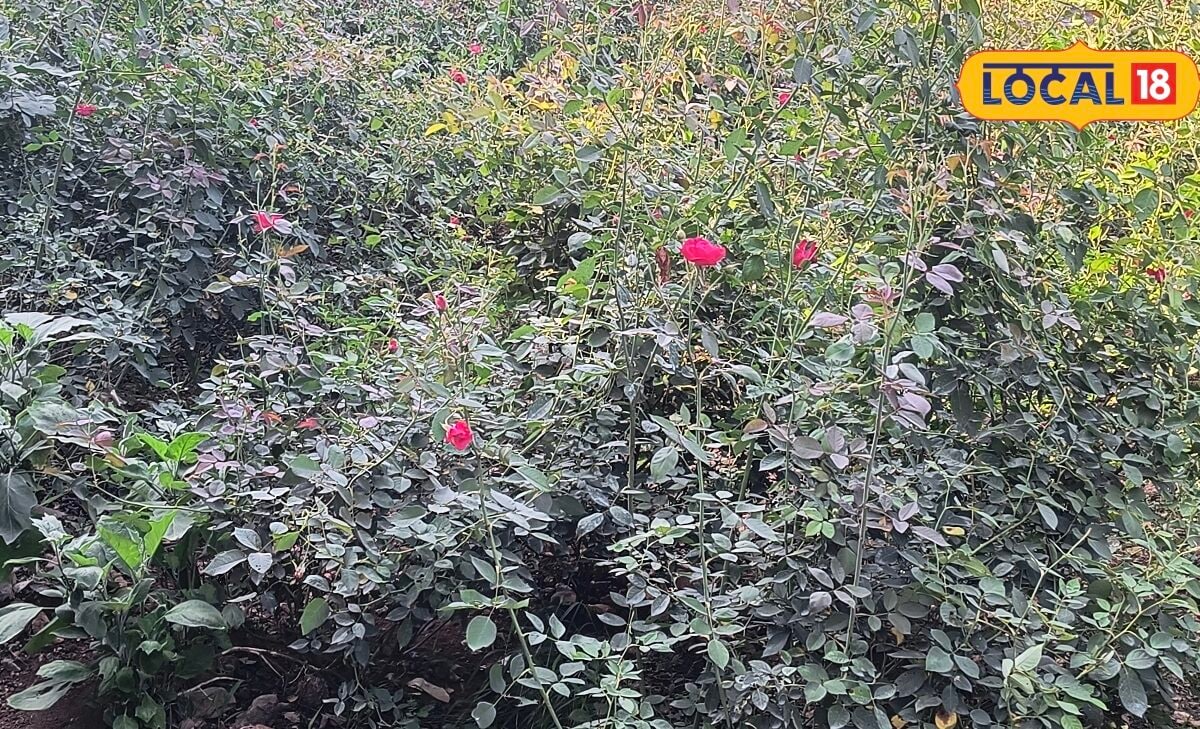
Agricultural strategists have underscored a viable pathway for augmenting rural livelihoods by advocating for rose cultivation alongside traditional rabi crops. Farmers looking to diversify their agricultural output can strategically utilize farm boundaries, field peripheries, or hitherto unutilized parcels of land to cultivate roses. This agricultural diversification serves as an effective mechanism to generate a reliable stream of supplemental income without disrupting primary food grain production.
Examining the structural evolution of regional agriculture reveals a persistent need for crop diversification to combat agrarian financial vulnerabilities. Historically, reliance on a single harvest cycle left cultivators exposed to market volatility and unpredictable climatic shifts. Integrating floriculture, specifically the cultivation of hardy and high-demand botanical varieties like roses, represents a progressive shift toward commercialized farming paradigms that optimize every square foot of available agricultural acreage.
A thorough assessment of logistical and economic stakes indicates that initiating this venture requires careful planning regarding land preparation, cultivar selection, and market linkage identification. Rather than committing vast tracts of arable land immediately, financial analysts and horticultural advisors recommend a phased approach. Cultivators are advised to begin on modest plots, allowing them to thoroughly understand the nuances of soil nutrition, pest management, and post-harvest handling before scaling up capital investments.
Interactions with agricultural community representatives and local market traders reveal an optimistic outlook regarding the commercial viability of floral products. Stakeholders point out that the continuous and expanding calendar of social celebrations, marriage ceremonies, religious festivals, and large-scale decorative events guarantees an unceasing commercial demand. Traders express readiness to procure locally harvested fresh blooms, provided that quality standards and consistent supply volumes are meticulously maintained by the producing farmers.
Assessing the broader regional impact within developing agricultural districts indicates that encouraging such horticulture initiatives can significantly stimulate the rural economy. When small and marginal landowners successfully tap into lucrative non-traditional markets like floriculture, household financial resilience is markedly strengthened. Furthermore, this trend promotes optimal land use management, transforming dormant or underutilized patches of soil into productive economic assets that benefit the entire rural ecosystem.
Administrative bodies and agricultural extension departments play a crucial consultative role in fostering this horticultural transition. By organizing informational workshops, distributing advisory literature on soil compatibility, and offering technical guidance on pest mitigation, institutional frameworks aim to minimize operational risks for participating farmers. Official oversight focuses on encouraging sustainable farming practices that harmonize commercial floriculture with existing regional crop rotations and environmental conservation norms.
Looking toward the forward outlook, agricultural planners anticipate a steady upward trajectory in small-scale floriculture adoption over upcoming agricultural cycles. As more cultivators witness the tangible financial benefits of utilizing borderlands and fallow terrain for rose production, peer-to-peer knowledge sharing is expected to accelerate. Public expectations remain centered on receiving enhanced institutional support, better cold-chain infrastructure, and direct access to metropolitan wholesale markets to maximize profitability in the near future.