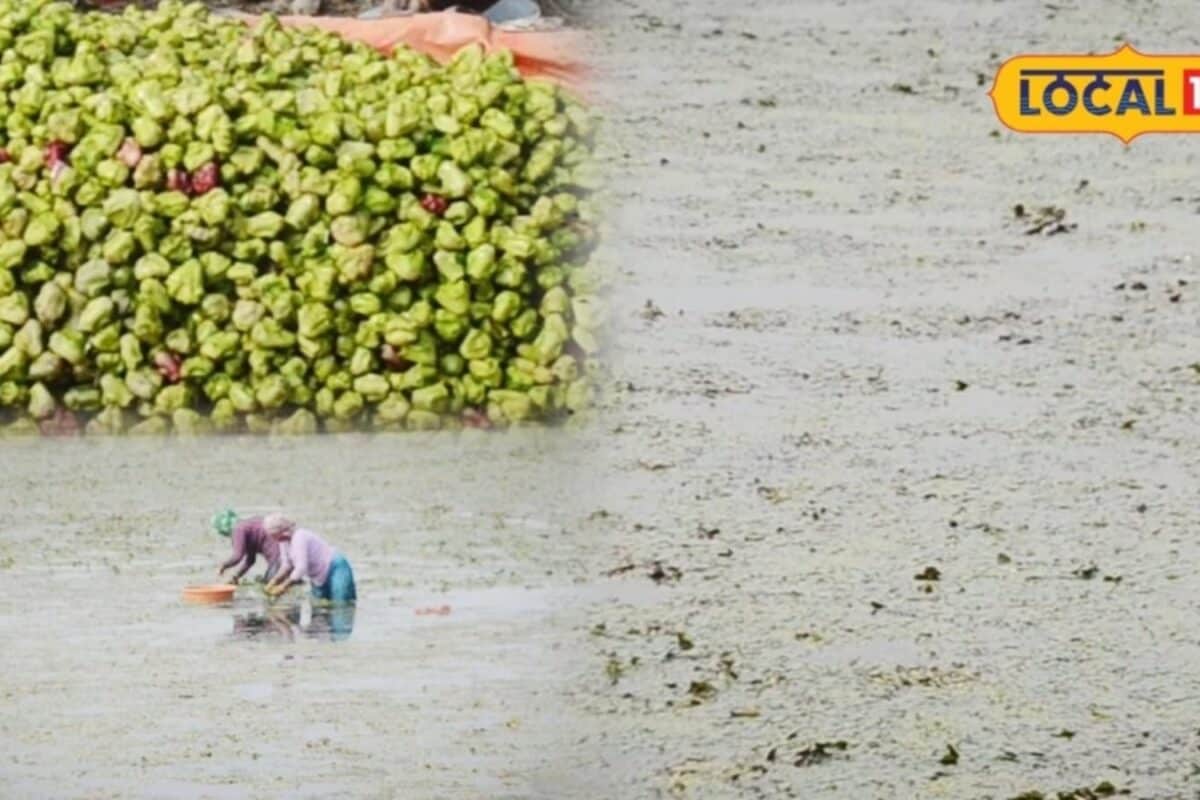
Recent spells of favorable rainfall have completely transformed the agricultural landscape of Bharatpur, leaving local water bodies and rural reservoirs filled to capacity. Following these abundant seasonal downpours, local farming communities have actively shifted their focus toward water chestnut cultivation. The sudden availability of adequate water resources in these rural expanses has successfully opened new and profitable agricultural pathways for traditional cultivators in the region.
The historical background of agricultural diversification in this region demonstrates that farmers frequently adapt their crop selection based on seasonal water availability. Water bodies such as the well-known Band Baretha and surrounding rural catchments have historically acted as crucial lifelines for local irrigation and aquatic ecosystems. When monsoon and seasonal rains adequately replenish these reservoirs, cultivators promptly leverage the standing water to introduce profitable aquatic cash crops rather than relying solely on conventional land-based farming.
Executing successful water chestnut cultivation demands strict adherence to specific environmental and geographical parameters to ensure high yields and quality produce. According to agricultural observations in Bharatpur, the optimal habitat for these aquatic plants requires clear water, abundant and direct sunlight, and a maintained water depth ranging precisely between 1 to 1.5 meters. Farmers initiate this process by carefully introducing the vines into the overflowing ponds and rural water bodies, setting the foundation for the upcoming harvest cycle.
The meticulous management of this aquatic crop involves continuous monitoring and physical maintenance throughout the entire growing season to safeguard the plants from potential hazards. Farmers must routinely remove unwanted aquatic grass and intrusive weeds from the water bodies while keeping a constant vigil over the health and spread of the vines. This hands-on dedication ensures that the plants receive maximum nutrients and sunlight, directly influencing the eventual quality and quantity of the harvest.
Under normal and favorable ecological conditions, these cultivated vines begin to bear fruit approximately two to three months after the initial planting process. This relatively short maturation cycle provides cultivators with a timely source of income and economic relief. The local agrarian economy benefits significantly from this seasonal diversification, as rural workers and farming families find gainful engagement during the cultivation and harvesting phases within the district.
Administrative oversight and local agricultural coordination play a vital supportive role in ensuring that rural water bodies are utilized efficiently for sustainable farming initiatives. Local authorities and agricultural extension workers monitor water management and resource allocation to prevent conflicts and ensure equitable access to the overflowing reservoirs. Such institutional facilitation reinforces community confidence and encourages more cultivators to adopt profitable aquatic farming methods.
Looking toward the upcoming harvest season, local farmers express strong optimism regarding market demand and financial returns for their produce. The persistent demand for fresh water chestnuts, alongside processed products like flour consumed during religious fasting periods, guarantees a ready and lucrative marketplace. With favorable weather conditions and well-maintained water levels, cultivators anticipate robust economic gains that will significantly bolster their household incomes.