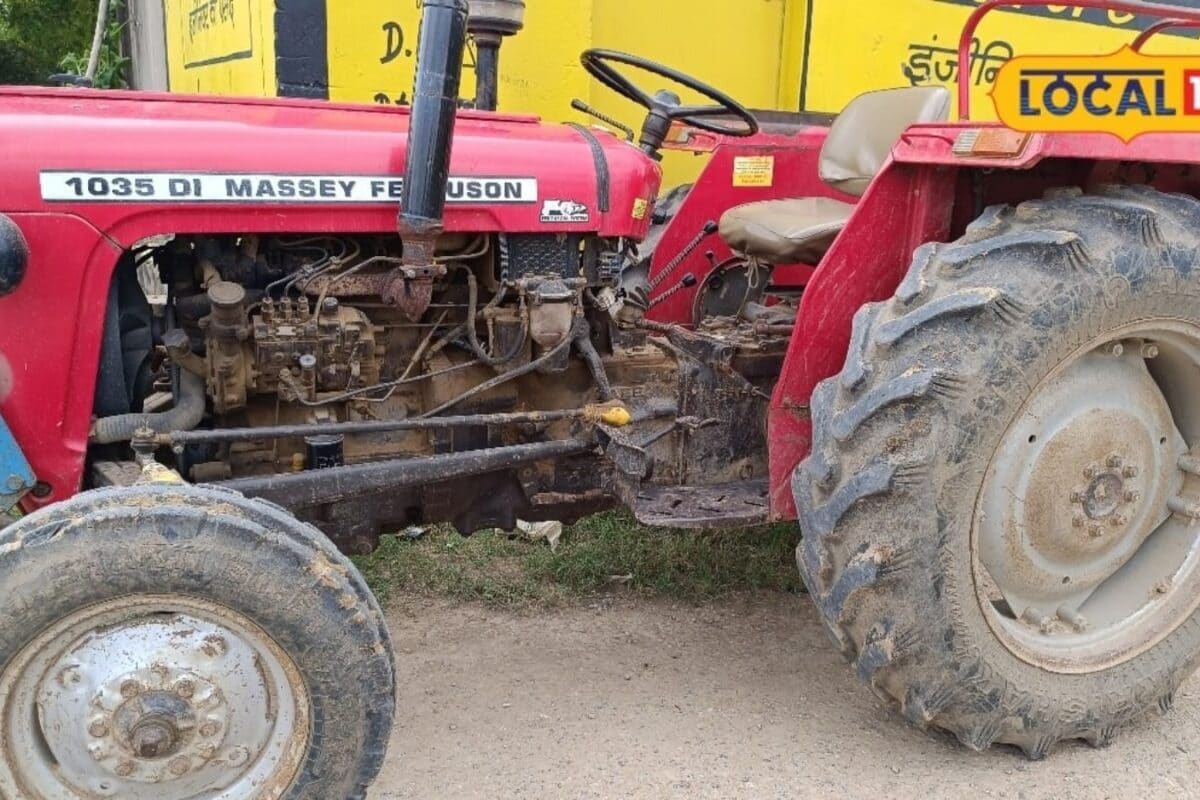
Tractors serve as the absolute backbone of agricultural operations and rural logistics, making the maintenance of their heavy-duty tires a matter of paramount financial and operational importance for farming communities. Recent agricultural advisory assessments highlight that inadequate tire care often leads to premature wear and tear, forcing farmers into unexpected and heavy expenditures for replacements. Ensuring proper operational protocols for tractor tires is therefore essential for maintaining uninterrupted farm productivity and safeguarding rural economic stability.
Historically, agricultural machinery maintenance has relied heavily on traditional knowledge, yet modern farming demands rigorous technical adherence to machinery specifications. Tractors navigate diverse terrains, ranging from ploughed agricultural fields to rough rural pathways, exposing their rubber components to severe physical stress. Understanding the fundamental causes of early tire degradation, such as improper inflation pressures and structural neglect, forms the cornerstone of effective farm asset management and long-term financial planning.
A critical examination of ground realities reveals that many agricultural operators inadvertently damage their equipment by operating under suboptimal conditions, such as running tires with incorrect air pressure or carrying excessive payloads. Operating heavy machinery over rough terrain at high speeds drastically accelerates tread wear and increases the risk of structural failure. Furthermore, prolonged exposure to intense solar radiation without adequate protection degrades the rubber compound, weakening the overall integrity of the tire long before its expected operational lifespan concludes.
Agricultural experts and equipment technicians emphasize that proactive engagement with routine maintenance can drastically alter operational outcomes for farming families. Technicians frequently advise that after completing intensive field operations, operators must diligently remove accumulated mud, trapped stones, and embedded debris from the tread patterns to prevent punctures and carcass deterioration. Incorporating these disciplined maintenance habits directly translates to reduced downtime, lower maintenance bills, and enhanced safety during daily agricultural tasks.
Within the specific context of the Kotputli-Behror region and surrounding agricultural zones, the longevity of farming equipment directly impacts the economic resilience of local farming communities. With agriculture and allied rural transportation forming the core of the regional economy, minimizing unexpected machinery repair costs allows farming households to allocate resources more effectively toward crop enhancement. Proper tire management thus becomes a vital pillar supporting regional agricultural sustainability and financial well-being.
Agricultural extension services and administrative bodies continuously urge farmers to adopt modern preventive maintenance practices through educational campaigns and technical workshops. Official guidance underscores the importance of periodic professional inspections by certified technicians to identify microscopic cuts, hairline cracks, and irregular wear patterns before they escalate into major failures. Such institutional support aims to bridge the gap between advanced machinery operation and traditional farming practices across rural districts.
Looking toward the future, the integration of disciplined tire maintenance routines into everyday agricultural operations promises sustained economic benefits for the farming sector. By adhering to recommended air pressure standards, protecting rubber from harsh weather elements, and conducting timely professional repairs, farmers can maximize the return on their machinery investments. This forward-looking approach ensures that agricultural vehicles remain reliable partners in rural growth and productivity for years to come.