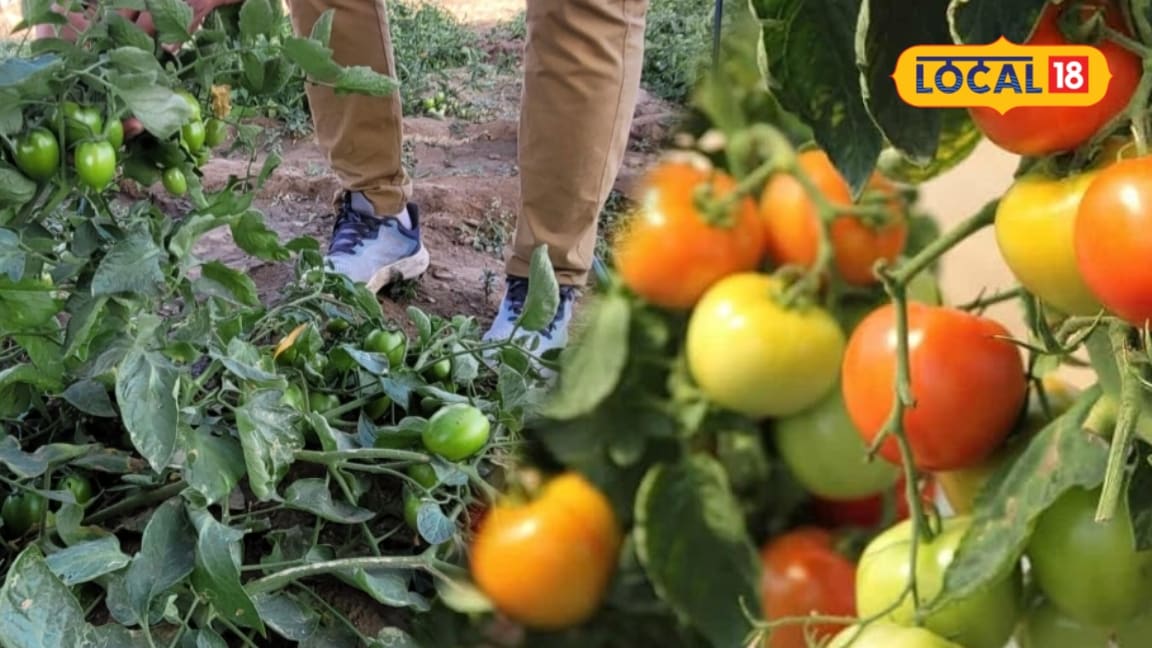
Agriculture in the Bhinmal region of Jalore is experiencing a significant economic transformation as local fields turn vibrant red with an abundant yield of tomatoes. Favorable soil composition and optimal weather patterns have provided the ideal environment for extensive cultivation, turning farming into a highly lucrative enterprise for agricultural workers in the area. This seasonal boom not only highlights the region's agricultural potential but also reinforces its growing importance in regional vegetable supply chains.
Historically, the agrarian landscape of Jalore has adapted to various climatic shifts, yet the systematic expansion of commercial tomato farming in Bhinmal marks a new milestone. Over successive seasons, local farmers have refined their cultivation practices, leveraging the unique regional agro-climatic conditions to maximize crop yield and quality. This deep-rooted agrarian tradition combined with modern farming awareness has successfully converted traditional farmlands into highly productive horticultural hubs.
The ground reality during the harvest season in Bhinmal is marked by intense agricultural activity, meticulous labor, and streamlined logistical operations. Once the red tomatoes reach optimal maturity, they undergo comprehensive harvesting, careful sorting, and systematic packaging to ensure top quality upon transit. The financial and operational stakes are high, as thousands of crates are prepared daily to meet the rising demand across various destinations, establishing a robust commercial pipeline from farm gates to consumer markets.
Local farmers, agricultural traders, and logistics coordinators play a vital role in executing this large-scale operation seamlessly. Stakeholders emphasize that the consistent demand from external markets provides a steady financial return, alleviating traditional agrarian uncertainties. Market operators note that the superior quality of Bhinmal tomatoes makes them highly sought after by wholesale purchasers, facilitating strong trade relationships between rural producers and urban merchants.
The economic ripples of this agricultural success extend far beyond the immediate boundaries of Bhinmal, influencing broader commercial networks across Rajasthan and neighboring states. By generating consistent seasonal employment for agricultural laborers, transport workers, and sorting specialists, the tomato harvest bolsters rural livelihoods. Furthermore, the steady influx of capital into the rural economy strengthens the purchasing power of farming households, fostering overall community development.
Administrative oversight and agricultural extension services continue to monitor the progress of horticultural developments in the Jalore region to support sustainable farming practices. Local agricultural departments endeavor to provide guidance on pest management, soil health conservation, and efficient water usage to safeguard future yields. Such institutional support is crucial for maintaining long-term agricultural productivity and protecting farmers against unforeseen environmental or market volatilities.
Looking toward the future, the outlook for tomato farming in Bhinmal remains exceptionally positive, with stakeholders anticipating sustained growth in both cultivation acreage and market reach. As logistical networks improve and demand remains steady across Rajasthan and Gujarat, producers are exploring advanced post-harvest management techniques to minimize wastage. Public expectations center on continued governmental facilitation, better cold-chain infrastructure, and expanded market access to ensure that the crimson bounty of Bhinmal continues to yield prosperity for years to come.