
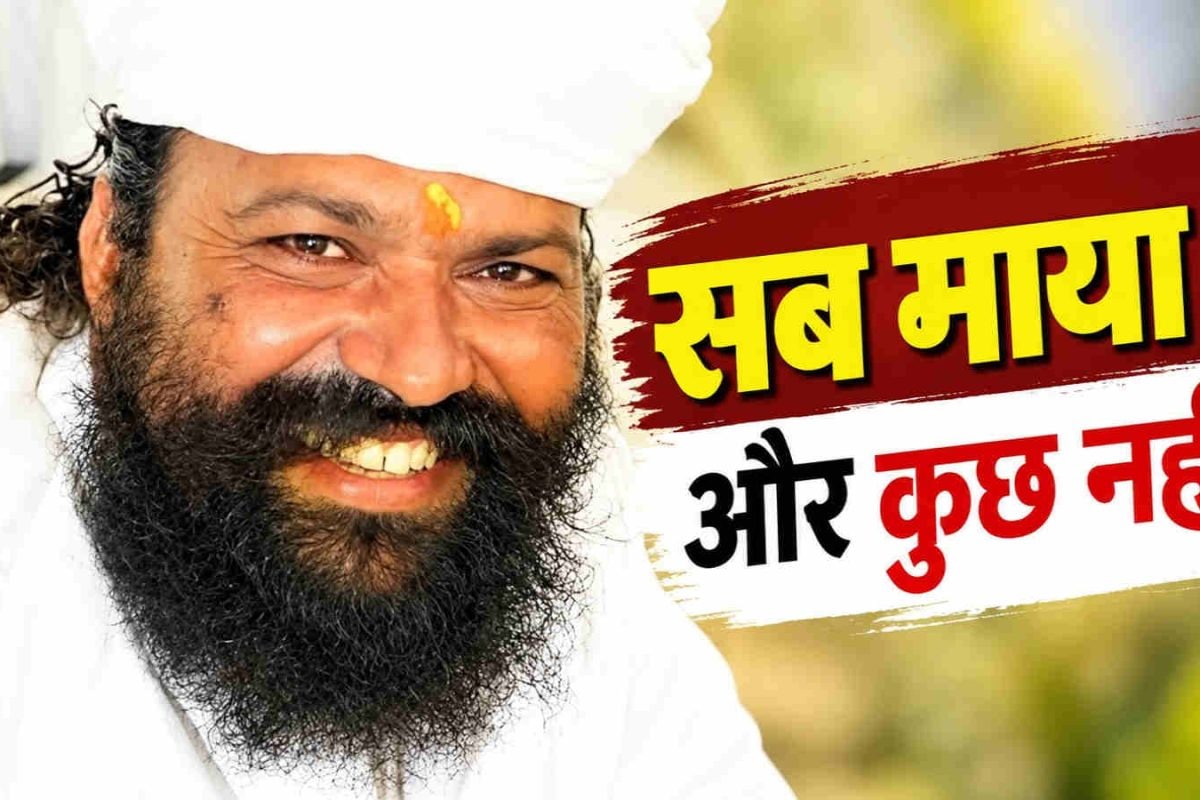
Over the past two days, the dramatic electoral defeat of well-known Rajasthani social media influencer Omprakash Bishnoi has dominated discussions across various digital and political platforms. The core narrative centers not merely on his political career, but rather on the staggering contrast between his colossal online following of hundreds of thousands and the minuscule number of votes he actually secured at the ballot box. In an era where digital validation is often equated with universal appeal, this event has emerged as a major reality check for internet personalities harboring political ambitions.
The phenomenon of digital celebrity intersecting with grassroots democracy has been a subject of increasing academic and political study. Historically, local governance elections require deep-rooted community engagement, relentless door-to-door campaigning, and an understanding of intricate local grievances—attributes that cannot be cultivated solely through viral videos and curated online personas. While Omprakash Bishnoi enjoyed immense digital adoration, the transition from passive online viewership to active, committed offline voting proved to be an insurmountable chasm during the recent panchayat elections.
As detailed in reports emerging over the past two days, the final tally revealed a humbling outcome for the influencer, who managed to secure a mere 33 votes. Such specific statistics have turned the election results into a viral talking point, shifting public discourse toward a profound analysis of voter behavior. Observers note that while social media metrics such as likes, shares, and follower counts create an illusion of widespread popularity, they rarely translate into tangible political capital when voters stand inside the polling booth.
Reactions from local constituents and political analysts emphasize that rural electorate priorities are fundamentally different from online engagement metrics. Local voters often demand accountability, physical accessibility, and proven dedication to regional development rather than entertaining content or digital charm. Citizens have pointed out that governing a panchayat involves addressing hard administrative realities, water scarcity, infrastructure development, and community welfare, none of which can be resolved through online charisma.
The regional impact of this election outcome extends far beyond the immediate locality, resonating deeply within political circles across the wider region including districts like Kotputli-Behror. Aspiring leaders and digital creators are being forced to re-evaluate their strategies, recognizing that the regional political landscape operates on trust, direct interpersonal relationships, and years of social service rather than algorithmic amplification. Local communities have engaged in extensive debates regarding the credibility of modern political aspirants who rely heavily on virtual visibility.
Local administrative bodies and election observers have highlighted the transparent and rigorous nature of the voting process, which accurately reflected the true mandate of the electorate. The unimpeded conduct of the panchayat elections reinforced the faith of rural citizens in democratic institutions, ensuring that leadership is determined by actual ballot counts rather than online popularity contests. Officials noted that the administrative machinery maintained strict adherence to statutory guidelines throughout the electoral exercise.
Looking forward, this episode serves as a watershed moment for the intersection of social media and democratic politics. As digital platforms continue to proliferate, political pundits expect future candidates to adopt a more balanced approach, combining modern communication tools with rigorous grassroots mobilization. The case of Omprakash Bishnoi will likely be cited for years to come as a definitive reminder that in the realm of democracy, online applause is never a substitute for genuine public service and offline trust.
