
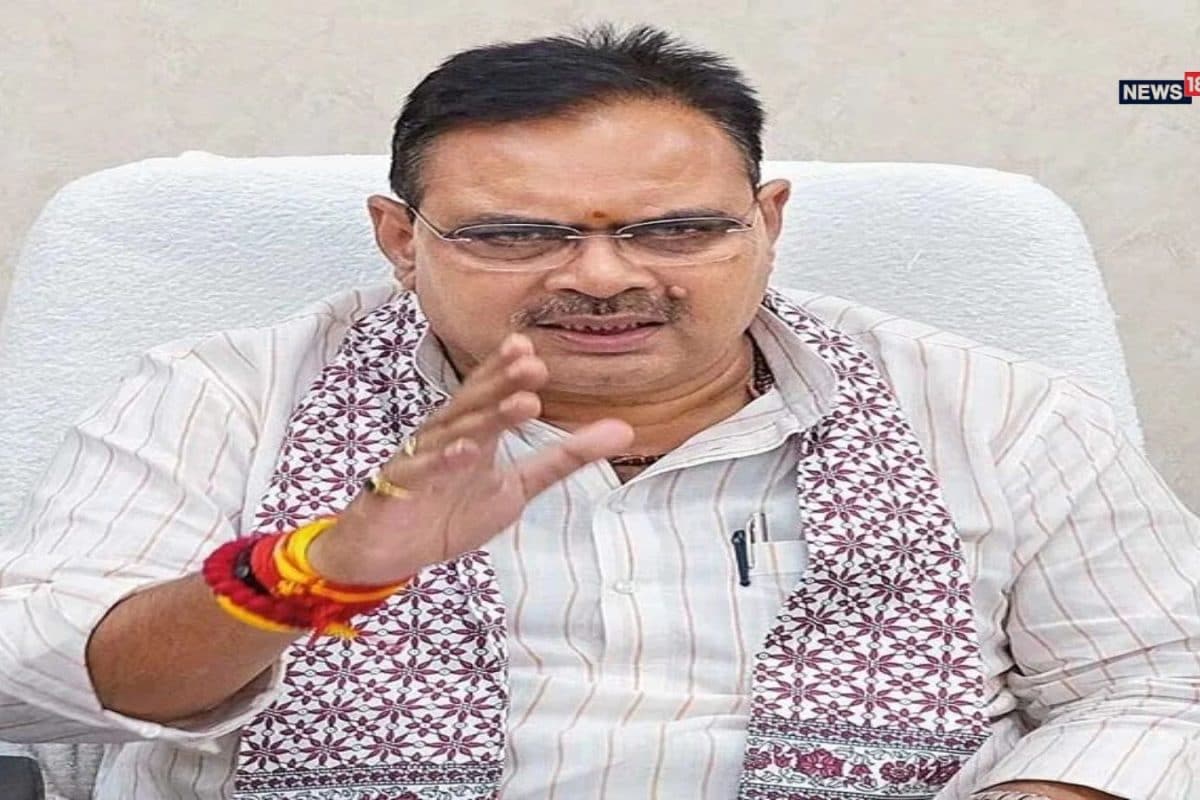
In a significant welfare decision for grassroots healthcare workers, Rajasthan Chief Minister Bhajanlal Sharma has officially fulfilled his solemn Raksha Bandhan promise by granting formal financial approval for a ten percent increase in the monthly honorarium of Asha Sahyoginis across the state. This announcement brings immense joy and much-needed financial reassurance to thousands of female health workers who serve as the backbone of rural healthcare delivery systems in Rajasthan. The administrative sanction marks a decisive step by the state government toward recognizing the relentless community service rendered by these workers.
The historical context of this salary revision dates back to persistent demands and appeals made by healthcare workers' associations seeking fair remuneration adjustments to cope with rising living costs. Over the years, Asha Sahyoginis have played a pivotal role in bridging the gap between rural communities and institutional medical facilities, executing crucial maternal and child health programs, immunization drives, and grassroots awareness campaigns. Recognizing their dedication during public festivals like Raksha Bandhan, Chief Minister Bhajanlal Sharma had previously made a commitment to enhance their financial support, which has now materialized into a concrete administrative reality.
Delving into the financial specifics and numerical breakdown of this policy revision, the monthly remuneration for eligible workers is set to witness a definitive upward revision. Previously, beneficiaries received a standard monthly honorarium of 4,959 rupees, which often fell short of addressing comprehensive household financial requirements amidst inflationary pressures. Under the newly approved financial framework, this amount will increase to 5,455 rupees per month, representing a direct ten percent augmentation. State treasury officials have confirmed that the augmented remuneration structure has been formally integrated into the state budget allocations for the year 2026.
Stakeholder perspectives from various community leaders, worker unions, and grassroots representatives indicate an overwhelmingly positive reception toward this state initiative. Local community leaders and social welfare advocates have praised the government for translating festival announcements into actionable governance. Representatives of healthcare worker federations noted that while the financial increment is modest, it nonetheless acknowledges the tireless day-and-night efforts invested by these frontline workers in executing complex public health directives in remote rural habitations.
Examining the regional impact on the Kotputli-Behror district and surrounding rural economies, local community health centers and Anganwadi networks are expected to witness heightened morale among personnel. In districts like Kotputli, where rural healthcare delivery heavily depends on the active participation of Asha Sahyoginis, this economic boost will directly translate into more motivated field operations. Local traders and service providers in rural markets also anticipate a minor positive ripple effect as increased disposable incomes among these grassroots workers circulate within the local micro-economy.
On the administrative front, the Department of Medical, Health and Family Welfare has initiated the necessary procedural protocols to ensure seamless disbursement of the revised salaries without bureaucratic delays. District treasuries and Chief Medical and Health Officers across all districts have been instructed to update payroll records and verify beneficiary databases to comply with the stipulated timeline. Statutory oversight committees will monitor the distribution process to guarantee transparency and direct benefit transfers directly to the accounts of the rightful workers.
Looking ahead toward the forward outlook and implementation timeline, the state government has officially announced that the increased honorarium will become effective starting from October 1, 2026. Administrative departments are currently conducting orientation workshops and issuing circulars to field offices to apprise them of the procedural nuances involved in the rollout. Public expectations remain high that this policy decision will pave the way for further welfare enhancements and institutional recognition for frontline community health volunteers throughout the state of Rajasthan in the near future.
