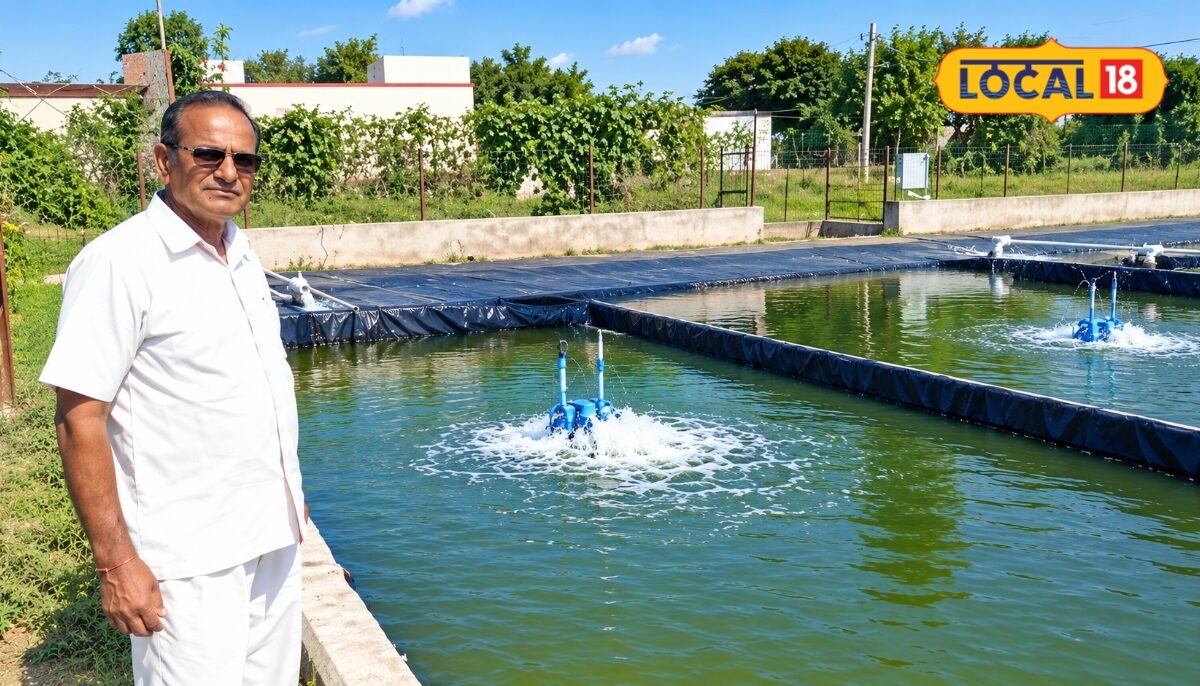
In an era where traditional agricultural resources face severe constraints, modern aquaculture is emerging as a beacon of economic viability for rural communities. The implementation of innovative methodologies allows producers to engage in fish farming despite severe limitations in water availability and land area. This transformation marks a critical shift toward resource-efficient food production systems.
Historically, aquaculture required extensive water bodies and large land parcels, restricting participation to those with substantial geographic assets. However, continuous research and technological evolution have dismantled these barriers. The evolution of controlled-environment aquaculture has redefined productivity benchmarks, shifting the focus from sheer volume of space to precision management and ecological optimization.
At the heart of this agricultural evolution are 5 distinct technological frameworks designed to maximize yield while minimizing resource consumption. These methodologies address the primary operational bottlenecks that have traditionally hindered small-scale producers from entering the aquaculture sector, creating new avenues for commercial viability and enterprise development.
Agricultural economists and resource specialists point out that adopting these methodologies directly addresses contemporary ecological challenges. Biofloc technology transforms waste into nutritious feed through bacterial action, while cage culture utilizes existing natural water bodies through enclosed netting systems. Furthermore, recirculating aquaculture systems (RAS) filter and continuously reuse water, drastically lowering the liquid requirement for commercial operations.
For regional communities heavily dependent on traditional agriculture, integrating these diverse production systems offers a viable hedge against climate unpredictability and fluctuating crop yields. By incorporating fish farming alongside conventional crop cultivation and livestock husbandry, rural households can diversify their revenue streams and achieve greater financial resilience throughout the agricultural calendar.
Administrative bodies and agricultural extension agencies are increasingly recognizing the necessity of technical education and structured oversight to facilitate this transition. Support mechanisms focus on providing training workshops, disseminating technical blueprints, and ensuring that producers understand the operational nuances of sophisticated setups like raceway systems and integrated agricultural frameworks.
Looking ahead, the widespread adoption of these five techniques is projected to reshape the rural commercial landscape. As implementation costs normalize and technical proficiency spreads among producers, the regional economy stands to benefit from enhanced food security, elevated household incomes, and sustainable utilization of precious natural resources.