
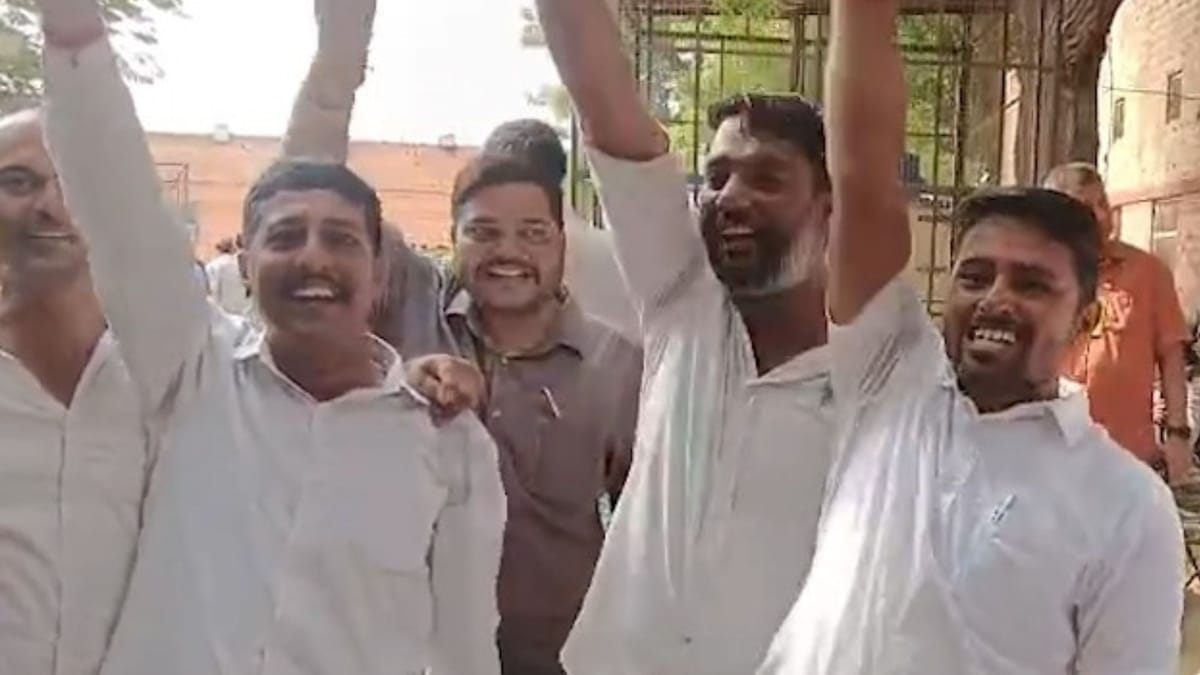
The political landscape of Rajasthan is witnessing a significant churn as the counting of votes for the Rajasthan Municipal Elections 2026 progresses across multiple urban centers. Electoral outcomes emerging from various districts highlight a fiercely contested battle between the primary political heavyweights, the Bharatiya Janata Party and the Congress. The unfolding results are not only reshaping local municipal governance but also serving as an important barometer of grassroots political sentiment across the state.
Historically, municipal elections in Rajasthan have always carried immense strategic weight, functioning as the foundational bedrock for political parties to gauge urban support before major legislative contests. The administrative machinery and election authorities have meticulously overseen the voting and counting processes to ensure absolute transparency and adherence to statutory guidelines. Political analysts have closely monitored these urban local body polls, viewing them as a crucial indicator of shifting voter preferences in key regions.
As the detailed tally unfolded, distinct regional trends began to crystallize across the state's urban bodies. In Pokhran, the Congress party demonstrated an emphatic electoral performance, consolidating its voter base and establishing a clear dominance over rival candidates. Similarly, the party maintained its upward trajectory by securing a notable lead in Sikar, reflecting strong local organization and sustained public backing within those specific municipal limits.
Conversely, the Bharatiya Janata Party firmly established its political ascendancy in the historic city of Udaipur. Party stalwarts and local workers celebrated the impressive electoral gains, which underscored the saffron party's continued influence and organizational strength in urban strongholds. The contrasting victories in different cities illustrate the diverse and localized nature of voter mandates in the ongoing municipal elections.
Beyond the immediate political friction, these urban election results hold substantial implications for regional development, local infrastructure management, and civic administration. Citizens and local business communities across Rajasthan are keenly awaiting the formation of new municipal boards to address pressing urban issues such as sanitation, water supply, road maintenance, and local commercial regulations. The newly elected representatives will shoulder the critical responsibility of translating electoral promises into tangible grassroots governance.
District administrations and election observers have maintained a vigilant watch to ensure peace, order, and seamless coordination during the post-counting celebrations and processions. Administrative machinery across Rajasthan has mobilized necessary protocols to facilitate the smooth transition of power within the victorious municipal bodies, ensuring that civic services remain uninterrupted during this political transition.
Looking ahead, the successful conclusion of the Rajasthan Municipal Elections 2026 will pave the way for the constitution of new municipal councils and corporations. The newly elected chairpersons and councilors are expected to take their oaths shortly and commence their official duties. As political parties analyze their respective victories and setbacks, the focus will now shift toward fulfilling urban developmental agendas and preparing for future legislative engagements across the state.