
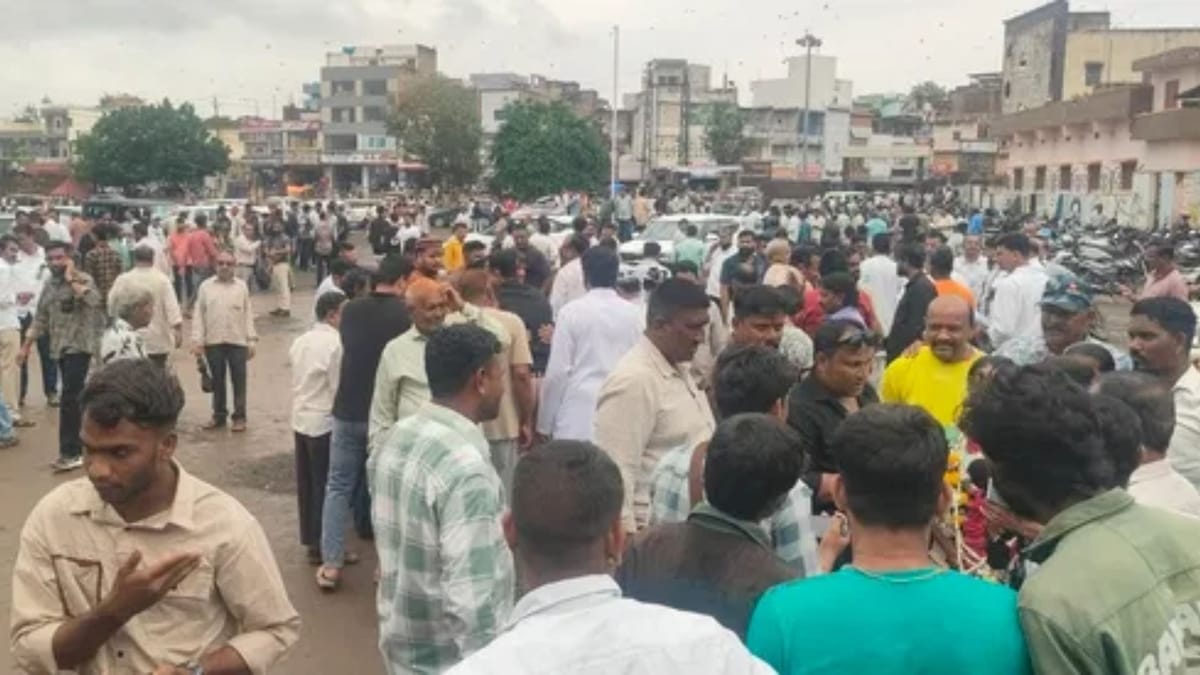
In a significant political development across the Wagar region, the Bharatiya Janata Party has demonstrated robust electoral strength by securing a clear and decisive majority in three key municipal bodies. The recent civic elections witnessed intense participation from local electorates, reflecting deep engagement with grassroots democratic processes. Party leadership and grassroots workers have expressed immense satisfaction over the mandate received in these urban centers, viewing it as an endorsement of their local governance agenda.
The historical context of political contestation in the region has always been characterized by fierce rivalries between major national and regional political formations, particularly the Bharatiya Janata Party and the Congress. Over successive electoral cycles, urban local bodies in the region have served as critical barometers for shifting voter preferences at the grassroots level. This year's election cycle has proven to be no exception, as urban electorates deliberated extensively on local infrastructure, civic amenities, and developmental priorities before casting their ballots.
A detailed examination of the election results reveals that out of the contested urban bodies, the Bharatiya Janata Party successfully crossed the majority threshold in 3 specific municipal jurisdictions. These statistical outcomes underline a consolidated voter base in these particular areas, allowing the party to move forward smoothly with its internal consultations regarding board formation and mayoral leadership selections. Detailed administrative data confirms that the counting process concluded peacefully under strict oversight by election observers.
Despite the decisive victories in multiple urban bodies, the electoral battlegrounds of Partapur-Garhi and Kushalgarh delivered highly polarized and tightly contested outcomes. In these two specific areas, neither major political formation secured an outright majority, resulting in a fractured electoral mandate. Consequently, the ultimate authority to determine board formations and executive leadership in Partapur-Garhi and Kushalgarh now rests entirely with independent candidates, whose political loyalties have become the focal point of intense negotiations.
The broader regional implications of these municipal outcomes extend far beyond immediate urban governance, influencing local economic dynamics and community development initiatives. Stakeholders, including local merchants, trade associations, and civic leaders, have emphasized the necessity for stable municipal boards to ensure the uninterrupted execution of public works and municipal services. A stable local administration is vital for sustaining commercial activities and maintaining civic infrastructure across the entire district.
Administrative machinery across the region has stepped up preparations to facilitate the smooth transition of power and the official constitution of newly elected municipal boards. District election authorities and returning officers are meticulously verifying procedural formalities, statutory notifications, and compliance with local municipal governance acts. Security measures have also been reinforced around counting centers and potential congregation points to maintain public order during the ongoing political negotiations.
Looking ahead, the political landscape in Partapur-Garhi and Kushalgarh will remain highly volatile until independent councilors officially align with political formations or decide to support a coalition framework. Observers anticipate that intense discussions, alliance-building efforts, and strategic negotiations will dominate the coming days as both major parties attempt to secure the required numbers. Public expectations remain high for transparent governance and prompt resolution of local developmental challenges regardless of the final administrative alignments.