
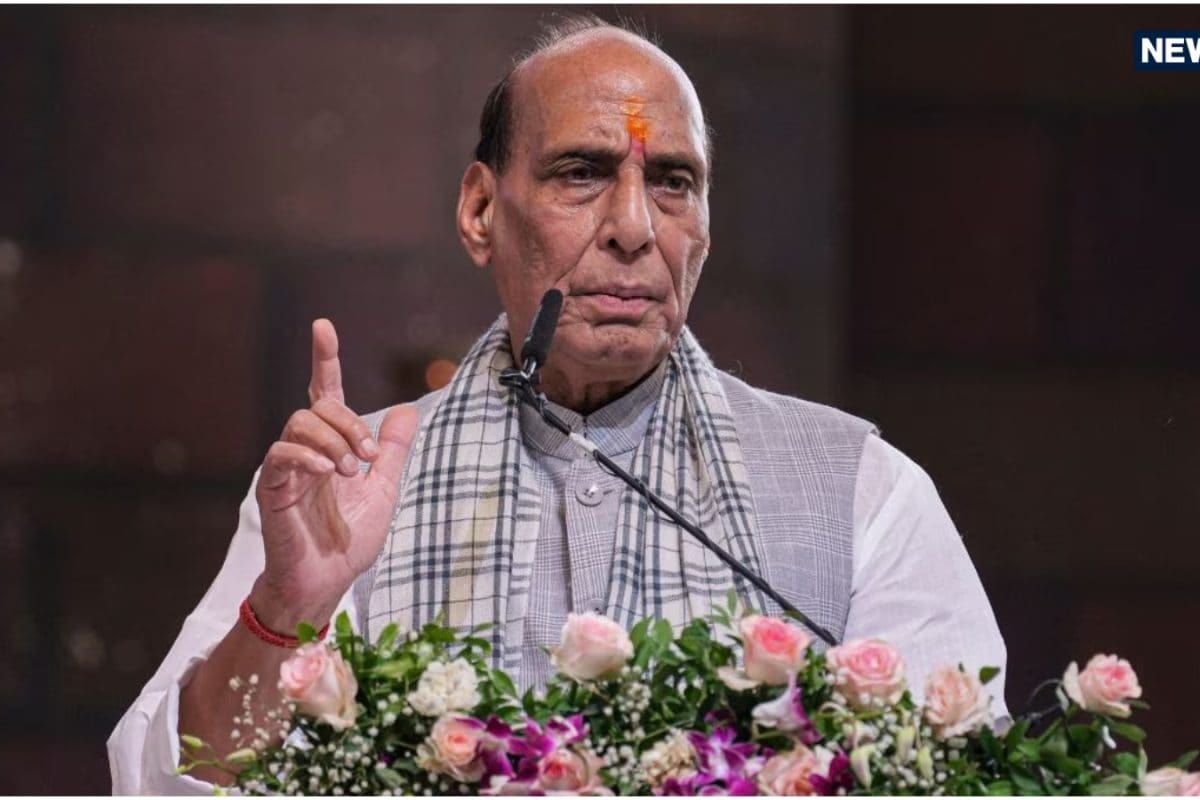
Union Defense Minister Rajnath Singh has recently unveiled a formidable and comprehensive strategic vision aimed at scaling up India's military might and achieving absolute defense self-reliance. Addressing a high-level meeting of the Parliamentary Consultative Committee attached to the Ministry of Defense, Singh elaborated upon the nation's ongoing transformation in modern warfare capabilities. The session focused extensively on the imperative need to integrate cutting-edge technological advancements into India's defense architecture to effectively counter contemporary geopolitical and security threats.
The historical context of India's defense preparedness reflects a long-standing reliance on foreign military imports, a vulnerability that successive administrations have sought to eliminate through indigenization policies. Over the past decades, the institutional framework championed by the Ministry of Defense has evolved from a purely state-run manufacturing model to a more inclusive, collaborative ecosystem. This structural shift acknowledges that modern military supremacy requires not just numerical strength, but technological superiority, research-driven innovation, and agile manufacturing capabilities across all branches of the armed forces.
Delving into the ground reality of defense production and logistical integration, the discussions within the consultative committee underscored the monumental financial and structural stakes involved. While specific monetary allocations were reviewed in broad administrative terms, the core focus remained on optimizing resource utilization between government research establishments and commercial entities. Ensuring a seamless supply chain of technologically superior hardware requires meticulous planning, stringent quality controls, and robust logistical frameworks that can sustain long-term military operations without external dependencies.
Key stakeholders, including senior parliamentarians, defense ministry officials, and technological experts, engaged in profound deliberations regarding the future roadmap of India's defense sector. During the proceedings, the Defense Minister explicitly emphasized that in the landscape of modern warfare, advanced technology serves as the single greatest deterrent and weapon. To harness this potential effectively, the government has consciously opened up the defense manufacturing sector, ensuring that the Defense Research and Development Organization (DRDO) and the private sector operate as equal and collaborative partners in nation-building.
The reverberations of this national defense strategy extend significantly to regional administrative units and industrial hubs, including the Kotputli-Behror district and surrounding manufacturing corridors. As the national policy increasingly favors domestic sourcing and private sector participation, local industrial enterprises, ancillary units, and technical institutions in developing regions find themselves poised for unprecedented economic integration. This cascading industrial growth not only bolsters regional employment opportunities but also fosters a localized culture of technological innovation and advanced vocational training.
In response to these evolving strategic imperatives, the administrative apparatus within the Ministry of Defense has instituted rigorous statutory oversight mechanisms and monitoring frameworks. These official measures are designed to ensure transparency, accountability, and adherence to stringent quality standards in the development of sophisticated defense systems. By streamlining bureaucratic procedures and facilitating smoother collaborations between state-run laboratories and private industrial partners, the administration aims to accelerate the timeline from conceptual research to final military deployment.
Looking ahead, the forward outlook for India's defense sector is anchored in ambitious timelines, upcoming procedural reforms, and heightened public and strategic expectations. The concerted push toward indigenous manufacturing systems ensures that the nation is steadily marching toward self-sufficiency in critical military hardware. As upcoming research and production milestones are achieved, the collective vision outlined by the leadership is expected to cement India's position as a formidable global hub for advanced defense technology and strategic manufacturing.
