
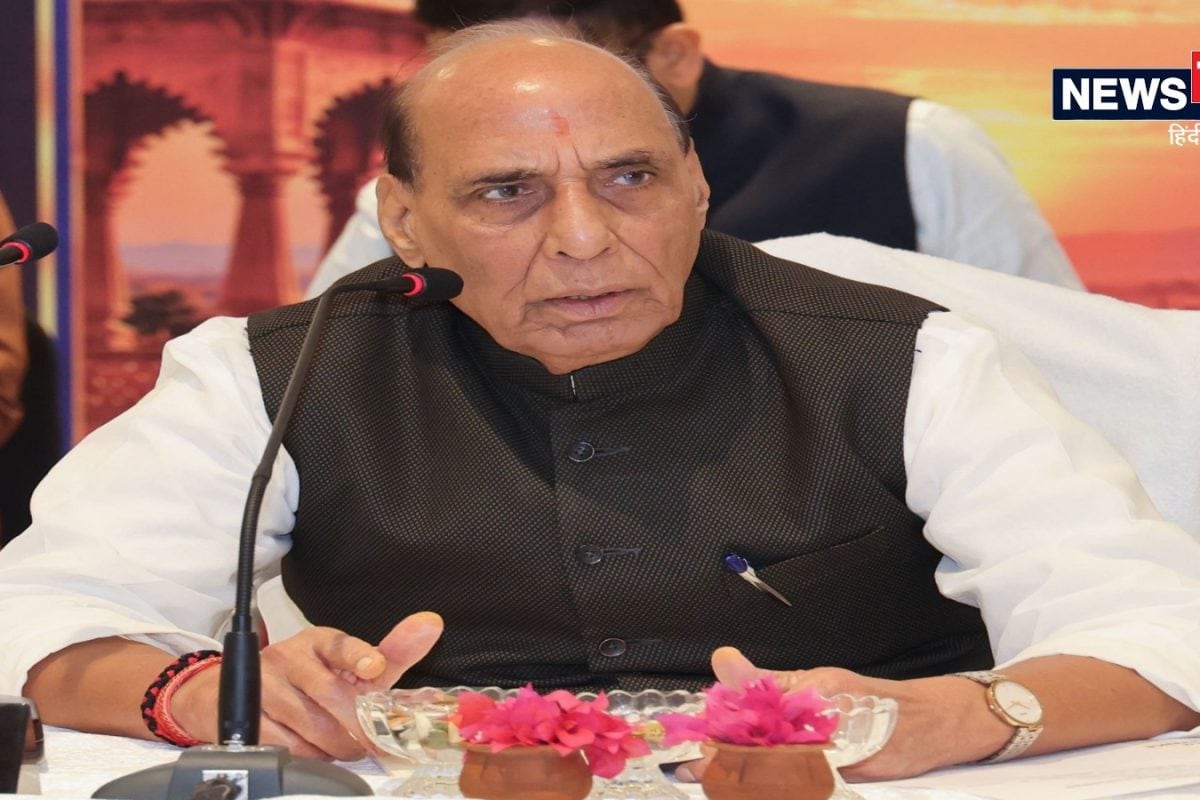
In a significant strategic development, Defence Minister Rajnath Singh chaired a crucial meeting of the Defence Consultative Committee in Jaisalmer. The high-level deliberations centered heavily on the imperative need for military modernization, the integration of cutting-edge technologies, and the formulation of robust strategies to counter futuristic security challenges. The convening of this important session in a strategically vital region reflects the government's unwavering commitment to reinforcing national defense frameworks.
Providing comprehensive historical context to the ongoing reforms, defense analysts note that the rapid evolution of modern warfare necessitates continuous adaptation and structural evolution within the armed forces. Over recent years, India has consistently focused on indigenization and technological enhancement to maintain strategic autonomy and operational readiness across diverse terrains. The discussions in Jaisalmer directly build upon these long-term national security objectives, emphasizing readiness against conventional and asymmetric threats alike.
Delving into the ground realities and logistical parameters, the deliberations addressed the practical aspects of transforming traditional military structures into tech-enabled combat formations. While specific financial outlays and inventory counts remain classified, the overarching focus of the committee remained firmly on optimizing resource allocation, upgrading critical infrastructure, and ensuring seamless coordination between various branches of the armed forces to maintain operational superiority.
Key stakeholders, including senior military commanders and defense advisors, participated actively in the proceedings, offering valuable tactical insights and regional perspectives. Their collective assessment highlighted the changing nature of modern conflict domains, ranging from cyber warfare to high-mobility mechanized operations. The dialogue underscored the critical importance of fostering domestic defense manufacturing ecosystems to supply state-of-the-art equipment directly to the frontline units stationed across challenging operational sectors.
Examining the broader regional impact, such high-level strategic consultations hold profound implications for security readiness across border regions and districts throughout the country, including administrative hubs like Kotputli-Behror. Enhanced military preparedness ensures stability, which indirectly fosters secure economic environments, infrastructural development, and public confidence across all local communities nationwide. The ripple effects of robust national defense policies ultimately trickle down to reinforce the internal security grid.
Addressing the administrative mechanisms and statutory oversight associated with these reforms, the Ministry of Defence continues to implement structured policy guidelines to streamline procurement processes and capability development. The consultative committee serves as a vital legislative and advisory bridge, ensuring bipartisan oversight and expert evaluation of military strategies before they are executed at the tactical level by the armed forces.
Looking toward the forward outlook, the decisions taken during the Jaisalmer meeting are expected to accelerate the timeline for upcoming defense acquisitions, technology integrations, and joint-service doctrine formulations. Public expectations remain high regarding the transparent and efficient execution of these modernization programs, as India steadfastly marches toward establishing a highly self-reliant, technologically superior, and future-proof military apparatus capable of addressing all contemporary security imperatives.
