
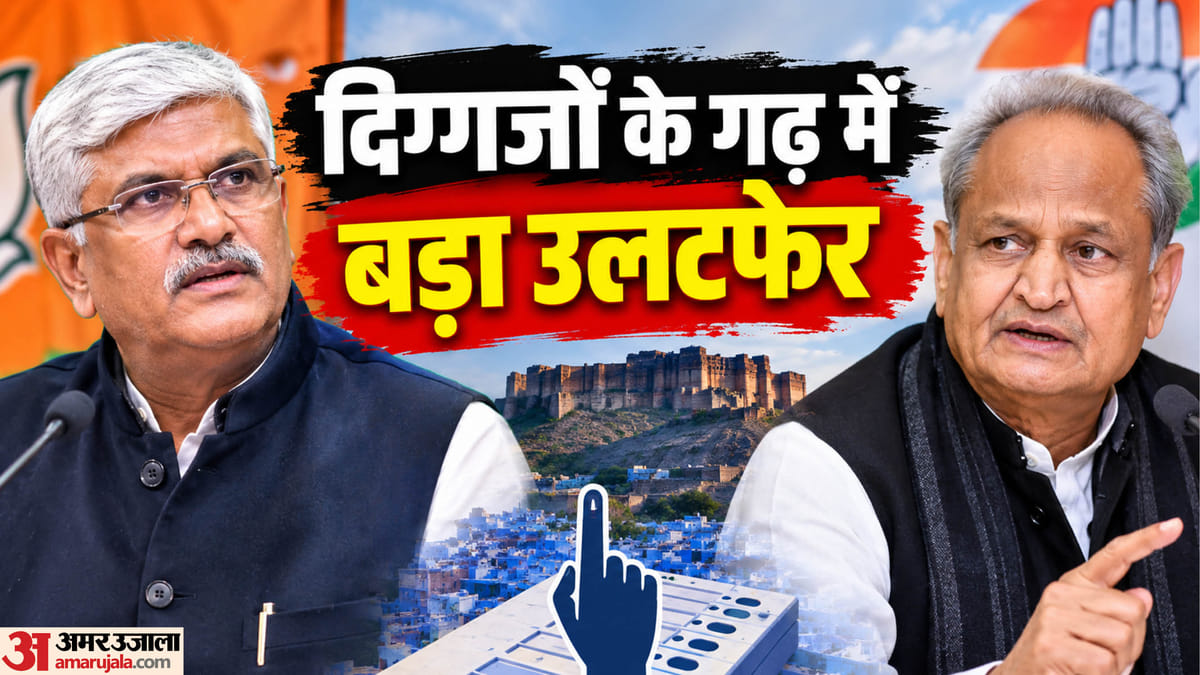
In a stunning electoral development that has sent ripples through the political landscape of Jodhpur, the municipal elections have delivered a series of surprising results characterized by a fiercely contested battle between the Bharatiya Janata Party (BJP) and the Congress. The outcome in the historical city has defied conventional political expectations, particularly within the strongholds of prominent national and regional leaders, demonstrating the unpredictable nature of local urban governance polls in Rajasthan.
The political significance of Jodhpur as a major urban center has always added high stakes to municipal elections, serving as a critical barometer for popular sentiment across the region. Historically, the city's municipal wards have been closely watched battlegrounds where political heavyweights traditionally exert significant influence. The recent electoral contest built upon years of intense political mobilization, community engagement, and ideological rivalry between the ruling and opposition factions within the municipal corporation.
Detailed scrutiny of the election results reveals a fascinating web of electoral shifts and voting patterns across various wards. While the overall electoral landscape showcased a neck-and-neck race between the BJP and the Congress, the micro-level outcomes in specific high-profile wards provided the most striking narratives of the election cycle, reflecting the nuanced choices made by urban voters at the polling booths.
Political analysts and local observers have closely evaluated the implications of these results on leadership prestige and party organization. Representatives and party workers from both the BJP and the Congress have expressed diverse perspectives on the outcomes, emphasizing the role of grassroots campaigning, local candidate profiles, and civic governance issues in shaping the ultimate verdict handed down by the electorate of Jodhpur.
Beyond the immediate municipal boundaries of Jodhpur, the resonance of these urban election results extends across the broader regional framework, influencing political discourse and strategic planning for future electoral battles in neighboring districts and constituencies. Local communities and urban residents remain deeply engaged in discussing how these political shifts will translate into civic development and municipal administration.
Administrative machinery and election authorities played a crucial role in ensuring the smooth conduct of the polling and counting processes, maintaining rigorous oversight, transparency, and adherence to statutory guidelines throughout the electoral exercise. Officials managed logistical arrangements efficiently to accommodate the high voter turnout and intense public interest surrounding the high-profile municipal wards.
Looking ahead, the newly elected municipal representatives face significant responsibilities regarding urban infrastructure, civic amenities, and local development projects in Jodhpur. As the political parties analyze their respective victories and defeats in these prestigious wards, the focus now shifts toward the formal constitution of local governing bodies and the implementation of municipal policies expected by the citizens.