
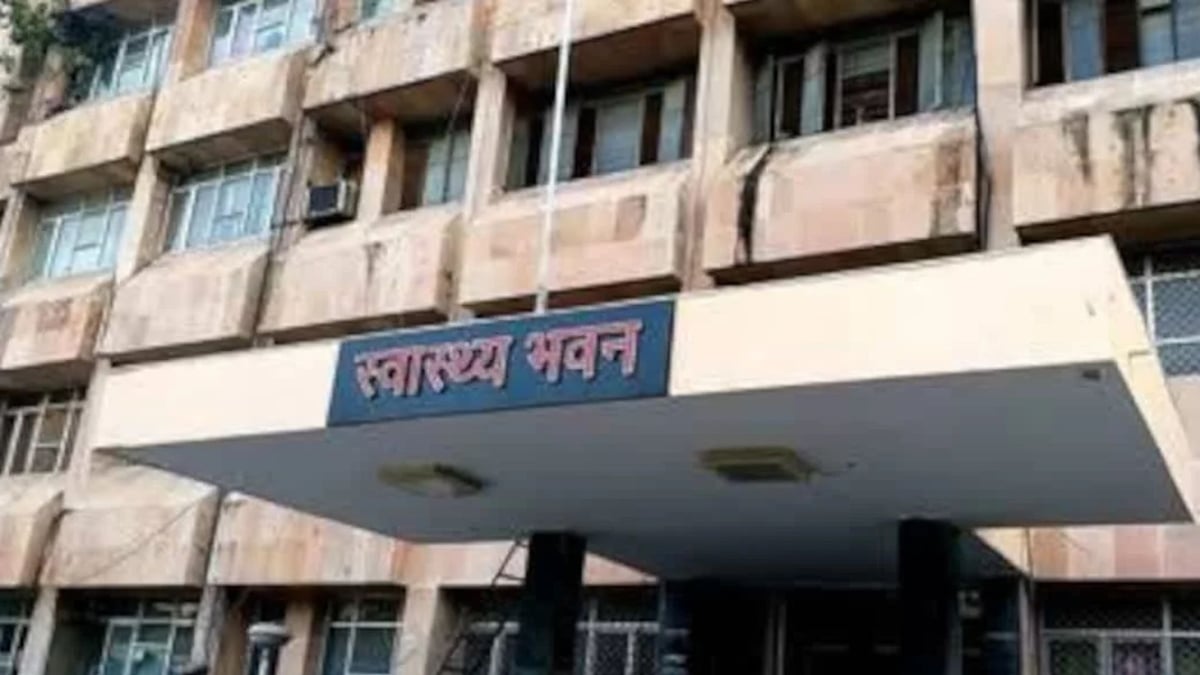
In a significant administrative development concerning public healthcare management in Rajasthan, the state medical department has initiated strict measures against doctors who have remained unauthorizedly absent from their designated duties. This decisive action underscores the government's unwavering commitment to maintaining operational integrity and robust medical staffing within public health institutions across the region, ensuring that patient care is never compromised by administrative negligence or individual dereliction of duty.
The current crisis involving absentee medical professionals has deep structural roots within the state health framework. Historically, various government schemes mandate newly graduated doctors or those benefiting from subsidized public medical education to serve a designated tenure within rural or underserved areas through contractual or bonded service agreements. However, administrative reviews frequently reveal instances where practitioners fail to honor these solemn commitments, leaving critical healthcare posts vacant and severely straining the state's medical infrastructure.
As part of the ongoing administrative crackdown, the department has compiled comprehensive records of these persistent absences, evaluating the financial and logistical stakes involved in maintaining public healthcare delivery. The unauthorized absence of medical personnel not only disrupts daily hospital operations but also burdens the public exchequer, as resources allocated for community welfare remain underutilized while communities are deprived of essential physician services.
Addressing the gravity of the situation, senior officials at the directorate have outlined strict compliance protocols for the defaulters. Stakeholders, including medical association representatives and administrative observers, note that enforcing accountability is paramount to preserving the credibility of public health systems. The state's firm stance signals that dereliction of official duty will no longer be tolerated under any circumstances, thereby protecting the interests of the taxpaying public.
The implications of this directive extend directly to regional healthcare administration, including districts such as Kotputli-Behror, where local health facilities frequently grapple with physician shortages. Ensuring that doctors report to their assigned stations directly impacts the local economy and community well-being, as accessible healthcare remains a foundational pillar for regional stability and workforce productivity.
Reinforcing this administrative oversight, the medical department has established a strict procedural ultimatum. The absentee doctors have been formally instructed that they must appear in person at the directorate by October 27 to submit a valid written explanation regarding their unauthorized absence from duty. This step represents a final opportunity for the erring professionals to rectify their standing before statutory penalties are formally invoked.
Looking toward the forward outlook, the administration remains resolute in executing its mandate should the doctors fail to meet the stipulated deadline. If the practitioners do not present themselves at the directorate by October 27, the department will initiate immediate legal and financial repercussions, which strictly include the recovery of mandated bond amounts and the formal cancellation of their medical practice registrations.
