
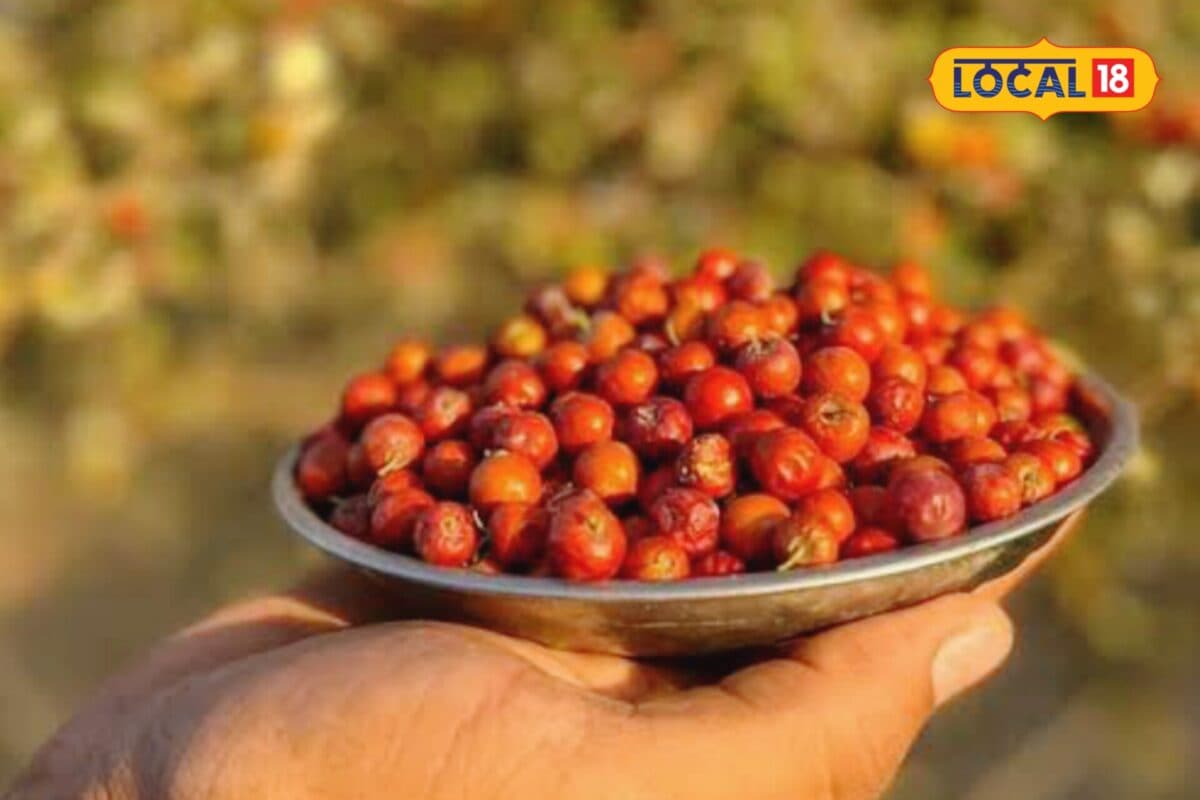
In the remote and rugged landscapes of Rajasthan, specifically within the Dang region of Karauli, a remarkable wild fruit has captured the attention of botanists, nutritionists, and cultural historians alike. The naturally growing ber fruit, often affectionately dubbed the apple of the forests, thrives entirely on its own without any human agricultural intervention, irrigation, or fertilizer application. This hardy perennial plant manages to flourish in harsh climatic conditions, producing abundant yields during the winter season that bring vibrant life to the otherwise arid terrain.
Historically and culturally, the ber fruit holds an esteemed position deeply embedded in the religious and mythological traditions of the region. Most notably, the fruit is inextricably linked to the timeless epic narratives involving Mata Shabari and Lord Shri Ram, symbolizing pure devotion, humility, and the simple offerings of nature. Beyond its mythological roots, traditional astrologers and Ayurvedic practitioners attribute various therapeutic and spiritual properties to the ber tree and its harvest, making it an integral component of indigenous knowledge systems passed down through generations.
From a nutritional standpoint, this wild-harvested fruit is an absolute powerhouse of essential vitamins and dietary fibers. Local health experts and traditional healers point out that the high concentration of Vitamin C present in the fruit acts as a natural immunity booster, while the substantial fiber content aids in optimal digestive health. As the fruit ripens naturally under the winter sun, its distinctive sweet and sour flavor profile makes it a highly anticipated seasonal delicacy for rural communities residing across the region.
For the local villagers, herdsmen, and rural families, the ber harvest represents a traditional connection to the land and a source of effortless sustenance. Elders in the community frequently recount how the fruit has sustained both humans and local fauna through difficult winters without requiring any commercial cultivation costs. Birds and various woodland animals also heavily depend on the falling berries for their winter nutritional needs, illustrating a harmonious ecological cycle sustained entirely by nature.
While the broader Kotputli-Behror district and surrounding territories boast diverse agricultural patterns, the phenomenon of wild-growing heritage fruits like the Karauli ber highlights the region's rich botanical biodiversity. Economists and regional development planners often study these wild forest resources to understand how indigenous flora can support rural food security and biodiversity preservation without placing additional burdens on scarce water reservoirs and irrigation infrastructure.
Environmental conservationists and forestry departments across Rajasthan have increasingly recognized the importance of protecting these indigenous plant species from habitat encroachment and climate pressures. Administrative bodies emphasize that preserving the natural ecology of the Dang region ensures the continuous propagation of such beneficial wild trees, which naturally combat soil erosion while providing valuable organic resources to the local ecosystem.
Looking ahead, agricultural researchers and cultural preservation societies advocate for greater documentation and awareness regarding traditional indigenous fruits like the wild ber. As modern diets increasingly shift away from native foods, initiatives to educate younger generations about the ecological, nutritional, and mythological significance of the forest apple ensure that this invaluable natural heritage remains cherished and protected for decades to come.
