
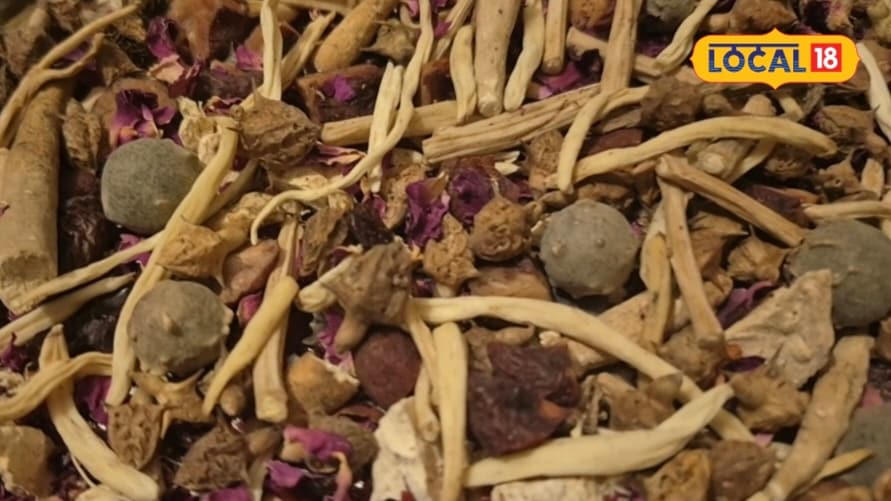
In the expansive and culturally rich landscapes of the Jalore district within the state of Rajasthan, an age-old and deeply revered indigenous tradition continues to thrive unhindered by the passage of time. Passed down carefully through generations from grandmothers and ancestors, the specialized art of formulating traditional Ayurvedic Battisa remains a vital component of domestic healthcare. This intricate medicinal preparation is deeply embedded in the rural lifestyle of the region, serving as an essential wellness practice that addresses various seasonal and physiological health requirements.
The foundational essence of this traditional preparation lies in its remarkably comprehensive composition, which incorporates exactly thirty-two distinct and powerful medicinal herbs and aromatic spices. Each of these carefully selected ingredients is harvested, processed, and blended in precise proportions following time-tested ancestral knowledge. The meticulous compounding of these thirty-two potent botanical elements ensures that the final formulation delivers maximum therapeutic efficacy, retaining the pure essence of traditional Ayurvedic pharmacology as practiced within rural households.
From a logistical and practical standpoint, the creation of these nutritious preparations is particularly intensive during specific times of the year, most notably as the winter season approaches. Rural families procure the diverse array of herbs and spices locally or through traditional trading channels, dedicating significant time and effort to ensure quality. The economic and practical stakes within the household involve careful resource allocation to produce these strengthening foods, which are then stored systematically for daily consumption during periods of intense cold.
Local community members, traditional healers, and experienced elders emphasize that the health benefits derived from this formulation are extensive and well-documented through generations of observational use. According to community perspectives, the consumption of these medicinal preparations plays a pivotal role in post-natal care, specifically aiding in the rapid physical recovery and restoration of strength for new mothers. Furthermore, the regular inclusion of these nutrient-dense foods in the daily diet provides crucial structural support by strengthening bones and joints across individuals of varying age groups.
While the direct geographical epicenter of this practice remains firmly rooted in Jalore, the broader regional implications extend across neighboring districts and communities throughout Rajasthan, influencing nutritional habits in rural areas. The cultural resonance of traditional remedies serves to unify families and reinforce community bonds, as women gather collectively to prepare these seasonal health supplements. This shared domestic practice fosters a strong sense of cultural continuity and mutual support among rural households facing the physical challenges of seasonal temperature drops.
Although this practice primarily operates within the domestic and informal spheres of traditional rural life, local community leaders and wellness advocates actively promote the documentation and preservation of such indigenous knowledge systems. Recognizing the physiological and nutritional value of these ancient formulations, community discussions often center around safeguarding these recipes from fading into obscurity amidst modern lifestyle transitions. Public health advocates suggest that integrating traditional wisdom with contemporary nutritional awareness can further benefit community wellness without altering the core authenticity of the age-old methods.
Looking toward the future, the preservation of the traditional Battisa formulation stands as a testament to the resilience of indigenous health customs in rural Rajasthan. As younger generations observe and participate in the preparation process under the guidance of elders, the continuity of this valuable practice is assured for the coming years. Public expectations remain focused on maintaining the purity and traditional integrity of these herbal preparations, ensuring that the legacy of ancestral wellness continues to nourish and protect communities against seasonal ailments.
