
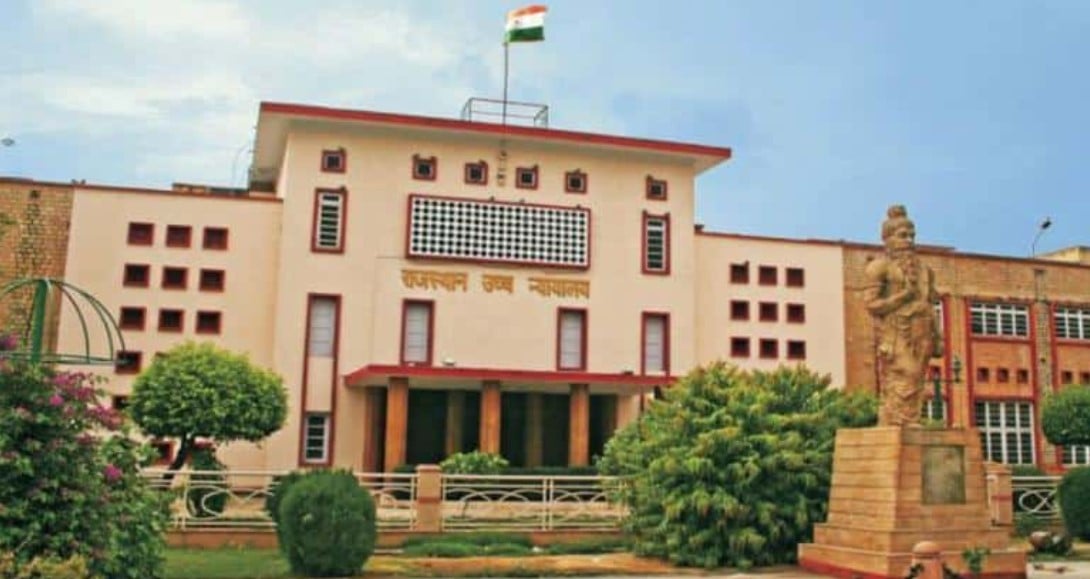
In a decisive move towards environmental conservation and administrative cleanliness, the Rajasthan High Court has officially implemented strict solid waste management guidelines. These newly formulated regulations apply uniformly to all judicial complexes and residential colonies designated for judicial officers throughout the state of Rajasthan. The core objective of this mandate is to institutionalize sustainable ecological practices within every institutional establishment under the supervision of the judiciary.
The genesis of this policy framework lies in the growing national and regional concern regarding environmental degradation caused by indiscriminate waste disposal. Judicial authorities across the country have increasingly emphasized the critical need for proactive ecological stewardship within government institutions. By targeting official spaces and residential quarters simultaneously, the High Court seeks to set a definitive benchmark for systematic waste segregation and responsible disposal methodologies.
Under the newly enacted administrative rules, the complete eradication of non-biodegradable waste items has been prioritized. The detailed directives mandate meticulous segregation of wet and dry garbage at the source, ensuring that organic refuse and recyclable materials are processed efficiently. Facilities within judicial complexes are now required to overhaul their internal waste collection systems to comply with these rigorous ecological parameters without exception.
Stakeholders within the legal fraternity, including administrative personnel, advocates, and residential occupants, have expressed constructive views regarding the implementation of these regulations. While transitioning away from conventional convenience products poses logistical adjustments, the overarching consensus acknowledges the profound necessity of eliminating hazardous materials. Cooperation from residents and court staff is deemed essential for the seamless operationalization of these environmental mandates.
The implications of this judicial directive extend across various regional districts, influencing standard operational protocols in local court premises. Although tailored specifically for judicial infrastructure, the policy serves as a powerful catalyst for broader civic awareness regarding waste management. Local administrative bodies are observing these developments closely as a potential model for wider municipal replication across urban and rural settlements.
Administrative oversight committees have been empowered to monitor compliance across all affected jurisdictions. Regular inspections and institutional audits will be conducted to evaluate the effectiveness of the waste management protocols and to ensure strict adherence to the prohibition of banned materials. Any deviations from the prescribed standards will be addressed through appropriate administrative channels to guarantee absolute compliance.
Looking forward, the successful institutionalization of these rules is anticipated to transform the ecological footprint of judicial establishments across Rajasthan. The judiciary remains steadfast in its commitment to fostering an environmentally conscious culture within its domain. Continued evaluation and gradual scaling of these measures will pave the way for long-term ecological sustainability and public health protection.
