
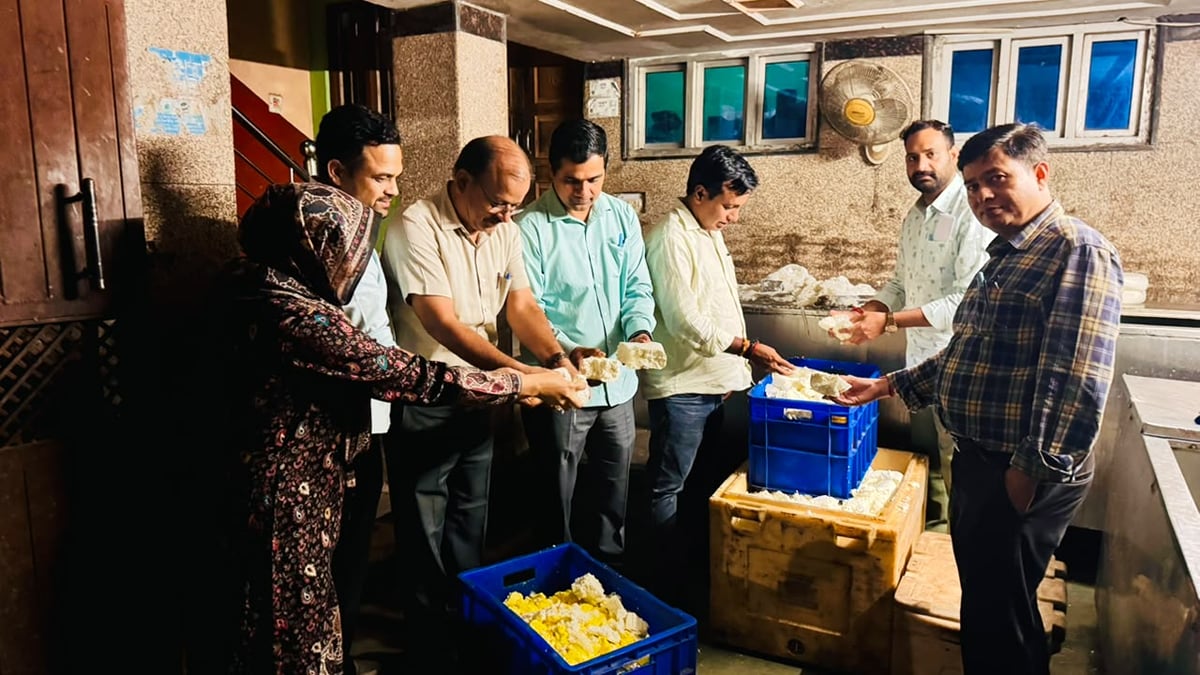
As the auspicious and joyous festival of Diwali approaches across the state of Rajasthan, administrative vigilance regarding public health and food safety has intensified significantly. The Food Safety Department has initiated extensive statewide inspections to curb the rampant distribution of adulterated dairy products that frequently flood local markets during high-demand celebratory periods. Citizens preparing traditional festive delicacies such as matar-paneer have been officially urged to exercise extreme caution when purchasing raw ingredients from unverified commercial distributors.
The festive season historically witnesses an unprecedented surge in the commercial consumption of essential dairy commodities, including paneer and mawa, creating lucrative opportunities for unscrupulous elements to compromise quality. In response to recurring historical precedents of widespread food adulteration during major celebrations, regulatory authorities across Rajasthan have systematically scaled up their field surveillance operations, targeting both urban distribution hubs and rural production units to protect public health.
During a recent targeted enforcement operation conducted within Jaipur, enforcement officials intercepted and inspected multiple transit vehicles and storage facilities, resulting in the immediate seizure and subsequent destruction of 520 kilograms of substandard paneer. This massive quantity of compromised dairy produce posed severe health risks to unsuspecting consumers, prompting swift and uncompromising administrative action by the inspection teams on the ground.
The investigation has widened dramatically beyond local retail markets, with the Food Safety Department now scrutinizing established supply chains that regularly deliver paneer to prominent hotels and upscale hospitality establishments in Jaipur. Commercial kitchen inventories and cold storage facilities associated with major hospitality brands are being thoroughly audited to determine the exact extent and origin of the compromised dairy distribution network.
While immediate administrative interventions remain concentrated within the urban centers of Jaipur, the broader implications of this widespread adulteration scandal extend directly into surrounding districts, including Kotputli-Behror. Local consumer protection advocates and regional traders in the Kotputli-Behror community have expressed deep apprehension regarding the safety of regional food supply chains, demanding heightened scrutiny of incoming dairy shipments from outside municipal boundaries.
In response to the escalating crisis, the Food Safety Department has intensified its statutory oversight by collecting comprehensive laboratory samples of both paneer and mawa from multiple commercial outlets. Officials have confirmed that rigorous chemical and microbiological testing reports will conclusively establish the exact quality and purity standards of the seized commodities, forming the foundational evidence for subsequent legal prosecutions.
Looking forward, regulatory authorities have committed to maintaining continuous surveillance throughout the remainder of the festive period and beyond. Public health officials have outlined plans for sustained enforcement actions, transparent publication of laboratory findings, and strict legal penalties against commercial entities found culpable of distributing hazardous food products to the residents of Rajasthan.
