
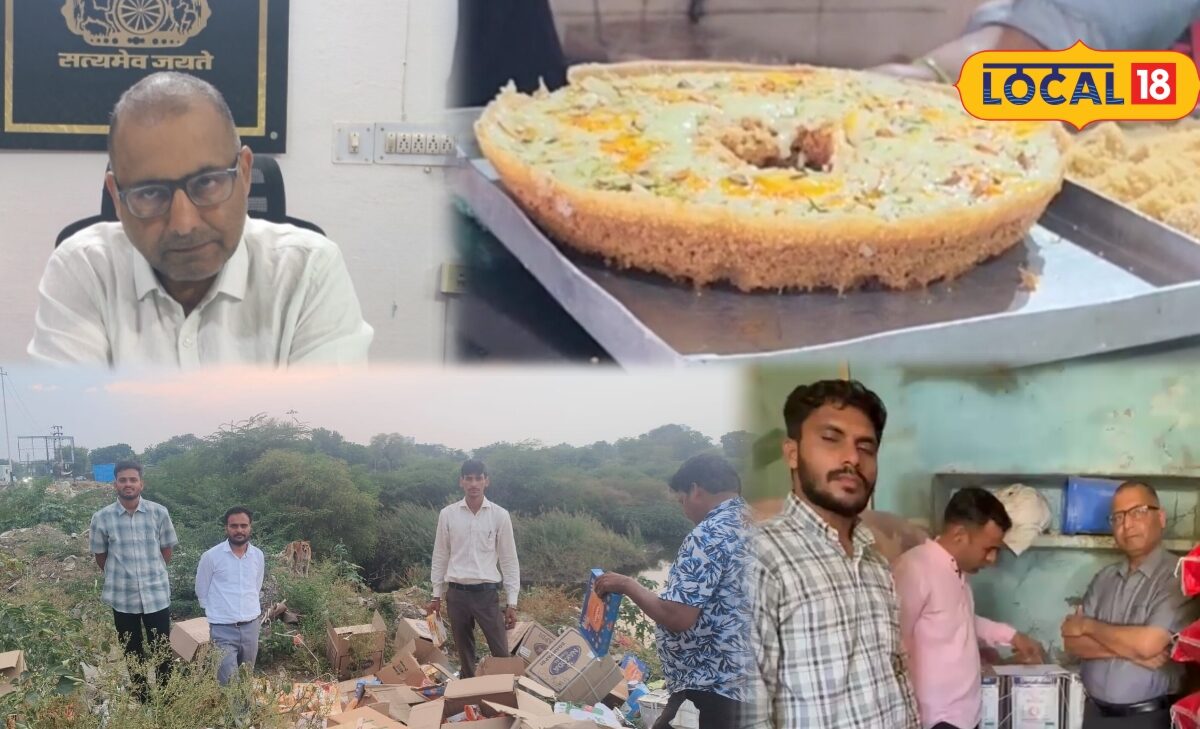
In a decisive move to safeguard public health during the peak festive season, the Bhilwara Food Safety Department has initiated a comprehensive, rigorous crackdown against food adulteration. The ongoing initiative targets widespread malpractices involving synthetic milk solids, substandard sweets, and hazardous artificial coloring agents that typically flood the commercial markets during high-demand periods like Deepawali. Authorities aim to deter unscrupulous traders from compromising consumer welfare for financial gain.
Historically, the period leading up to major celebrations witnesses a surge in consumer demand for dairy-based delicacies, particularly mawa and traditional sweets. This heightened demand often creates lucrative opportunities for unscrupulous operators to introduce spurious, chemically treated substitutes into the supply chain. Recognizing this perennial public health risk, regional regulatory bodies have historically intensified market surveillance during autumn festivities to curb fraudulent commercial activities.
Deploying specialized enforcement squads, the Bhilwara Food Safety Department has intensified on-site inspections across numerous commercial establishments, retail outlets, and cold storage warehouses. While comprehensive district-wide seizure statistics and laboratory sample counts are continuously updated, the primary logistical focus remains on immediate deterrence and thorough physical verification of all edible inventory stored for festival distribution.
During a recent administrative briefing, Chief Medical and Health Officer Dr. Sanjeev Kumar Sharma emphasized the critical importance of public vigilance alongside regulatory enforcement. Dr. Sanjeev Kumar Sharma directly appealed to all consumers to meticulously examine packaging manufacturing dates, expiration timelines, and overall product quality certifications before purchasing any festive confectionery from local vendors.
The administrative measures implemented by the Bhilwara Food Safety Department carry profound economic and social implications for the wider region, including neighboring administrative zones like Kotputli-Behror. Local consumer protection networks and regional trade associations acknowledge that ensuring uncompromised food safety safeguards public health while simultaneously preserving the commercial integrity of honest, law-abiding sweet manufacturers within the district.
As part of the ongoing administrative response, the Medical and Health Department has operationalized specialized technical guidelines to empower ordinary citizens. Chief Medical and Health Officer Dr. Sanjeev Kumar Sharma detailed practical, accessible methodologies enabling consumers to distinguish between authentic mawa and synthetic variants, identify excessively pungent chemical aromas in suspect sweets, and detect unauthorized synthetic coloring compounds.
Looking toward the remainder of the festive season, the Bhilwara Food Safety Department intends to maintain an unyielding surveillance posture across all regional markets. Administrative oversight, coupled with active public participation and proactive educational outreach championed by officials such as Dr. Sanjeev Kumar Sharma, is expected to establish a robust deterrence mechanism, ensuring safer dietary conditions for every household throughout the celebrations.
