
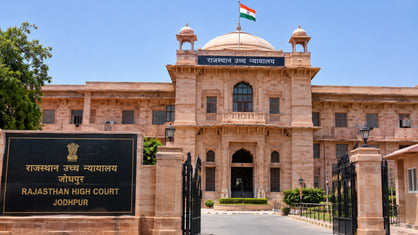
In a significant administrative development aimed at enhancing infrastructural support within judicial premises, the Rajasthan High Court administration has officially issued directives for the establishment of crèches or child care facilities across all judicial complexes in Rajasthan. This mandate marks a progressive step toward creating a more inclusive and family-friendly environment within the state judiciary, directly assisting advocates, court staff, and visiting litigants who shoulder parental responsibilities.
The administrative decision stems from a growing recognition of the daily logistical challenges faced by professionals and citizens alike who must navigate lengthy judicial proceedings while caring for young dependents. Historically, courts have lacked dedicated infrastructure for child care, often placing an undue burden on working mothers, fathers, and legal practitioners who must balance their professional duties inside the courtroom with immediate caregiving responsibilities outside.
According to the newly released guidelines, the newly designated crèches within the judicial complexes will accommodate children falling strictly within the defined age bracket of six months to eight years. This specific demographic range ensures that infants, toddlers, and early school-going children receive appropriate supervision and care while their parents or legal guardians are occupied with judicial hearings, official documentation, or professional arguments.
Legal professionals, bar association members, and regular litigants across Rajasthan have expressed profound appreciation for this administrative intervention. For years, advocates and court employees have voiced concerns regarding the conspicuous absence of basic child care amenities in major judicial hubs. The establishment of these facilities is widely anticipated to alleviate immense stress, allowing female and male advocates alike to perform their professional obligations without the persistent anxiety of arranging separate childcare during court hours.
Examining the regional footprint within the newly established districts and administrative zones, including areas under the jurisdiction of Kotputli-Behror, this judicial directive carries immense local significance. As local courts expand their operational capacities and witness a surge in daily footfall, the provision of structured childcare facilities within the local judicial complex will directly benefit regional litigants and local bar members who frequently travel to manage legal matters.
To ensure the successful implementation of these directives, administrative oversight will be maintained by respective judicial authorities to monitor infrastructural readiness, safety protocols, and staffing requirements. The high court administration has emphasized that these spaces must meet adequate safety and hygiene standards befitting institutional premises, ensuring that the developmental and physical well-being of the children is prioritized at all times.
Looking forward, the execution phase is expected to commence promptly as local judicial districts begin identifying suitable spaces within existing complexes to convert into functional crèches. Legal observers and community leaders anticipate that this visionary policy set in motion by the Rajasthan High Court will serve as a commendable benchmark for other public institutions and administrative bodies seeking to foster a more accessible, supportive, and humane working environment.
