
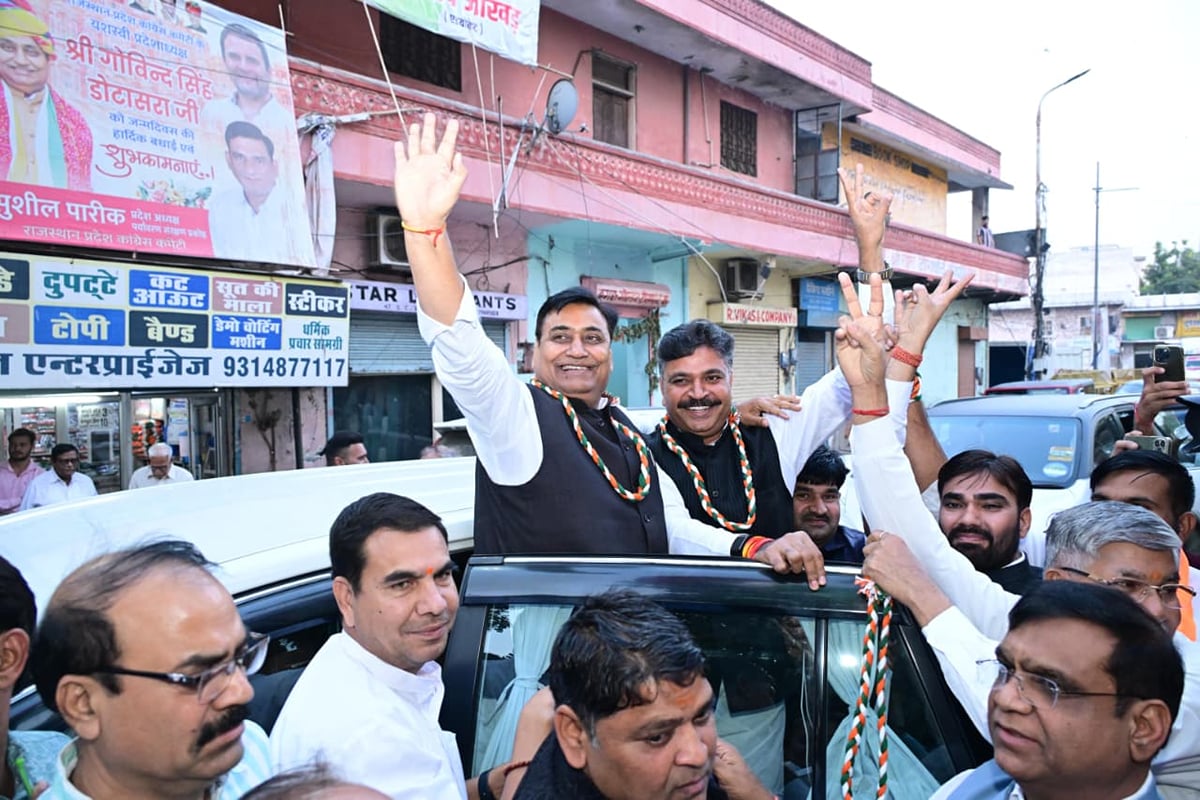
The recent declaration of panchayat election results has ignited a fierce political debate concerning the state of governance and public sentiment in rural constituencies. As political parties evaluate their electoral standing, the emerging numbers have set the stage for intense scrutiny of ongoing administrative policies and grassroots mobilization strategies.
The current political dynamics trace their roots back through the ongoing electoral cycle, where rural bodies serve as critical barometers of popular opinion. These local elections traditionally reflect the immediate concerns and grievances of agrarian communities, making them essential indicators of broader political trends across the region.
With specific references emerging from the electoral data, the spotlight has turned firmly toward the political milestones achieved over the past three years. Observers and analysts are closely examining the quantitative shifts in voting patterns to understand the underlying causes of the current electoral realignment.
Amidst the celebratory atmosphere within the Congress camp, senior party leader Dotasra has openly asserted that the election outcomes represent a definitive public message against the incumbent administration. According to the party perspective, these results highlight widespread rural discontent with the ruling dispensation's governance record.
Conversely, the Bharatiya Janata Party has adopted a measured approach, acknowledging the need for a comprehensive internal review. Party officials have indicated that a detailed analytical exercise will be conducted to evaluate the factors contributing to the electoral outcome and to recalibrate their grassroots engagement strategies accordingly.
The implications of these panchayat election results extend deep into the administrative fabric of the region, affecting local development initiatives and community relations. Local stakeholders, including community leaders and rural representatives, are actively discussing how these political developments will influence upcoming administrative decisions.
Looking ahead, both political formations are preparing for the next phase of engagement, with the opposition aiming to sustain its momentum and the ruling party focusing on corrective measures. As the political landscape evolves, the focus remains firmly on addressing rural aspirations and ensuring responsive local governance in the coming months.
