
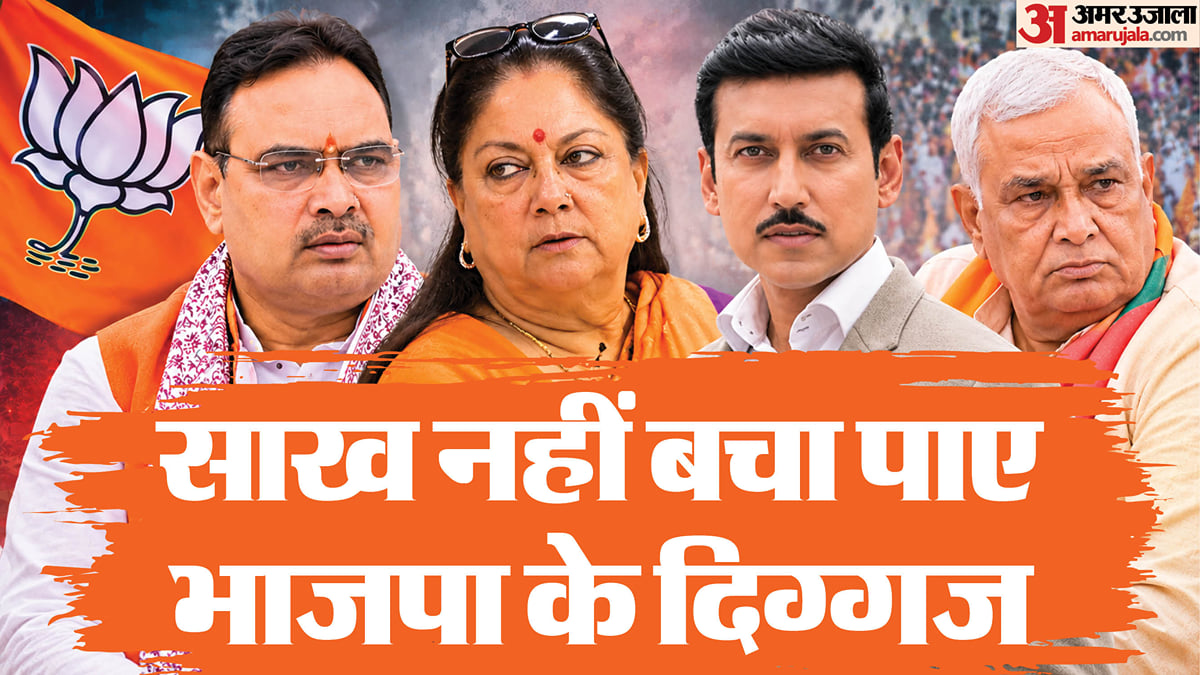
The political landscape of Rajasthan has witnessed a notable transformation following the conclusion of the recent panchayat elections, where the Congress party demonstrated a remarkable resurgence. Across various districts, the electoral outcomes have reflected a shifting voter sentiment, particularly within rural administrative bodies such as district councils and panchayat samitis. Political analysts and observers are closely evaluating the implications of these results on the broader governance structure of the state.
A critical dimension of this electoral outcome involves the reverses suffered by the ruling Bharatiya Janata Party in regions traditionally considered impregnable strongholds. Most notably, setbacks were recorded within the home district of Chief Minister Bhajanlal Sharma, alongside constituencies governed by several prominent state ministers. These developments have triggered extensive political deliberations within party headquarters regarding grassroots outreach and administrative performance.
While the primary contest remained heavily polarized between the Congress and the BJP, the electoral arena also featured impactful performances by regional political formations. The Rashtriya Loktantrika Party and the Bharat Adivasi Party successfully leveraged local grievances and demographic support bases to secure significant vote shares and pivotal seats. Their performance underscores a diversified multi-cornered electoral dynamic operating at the grassroots level in rural Rajasthan.
Local communities, grassroots leaders, and political workers have engaged in intense discussions regarding the underlying causes of the electoral shifts. Issues concerning local development, administrative responsiveness, and rural infrastructure are believed to have heavily influenced voter decisions in the panchayat constituencies. Party functionaries from all political spectrums are currently reassessing their strategic alignments ahead of future administrative expansions.
The regional impact of these panchayat election results extends directly into administrative units, including areas encompassing the newly formed districts. Local economies and community development initiatives are intrinsically linked to the political leadership at the panchayat samiti and district council tiers. Consequently, the electoral realignment is expected to alter the implementation trajectory of various developmental programs and local governance policies.
Administrative authorities and election watchdogs have ensured the peaceful conclusion of the electoral process, maintaining strict adherence to statutory guidelines throughout the polling and counting phases. District administrations managed the logistical complexities associated with rural voting infrastructure, ensuring that democratic protocols were rigorously upheld across all participating blocks and village councils.
Looking ahead, the political parties are gearing up for subsequent administrative formations, including the election of chairpersons for district councils and panchayat samitis. The resurgence of the Congress party, coupled with the assertive presence of regional forces like the Rashtriya Loktantrika Party and the Bharat Adivasi Party, sets the stage for a more competitive and vigilant political environment across rural Rajasthan as stakeholders prepare for upcoming governance challenges.
