
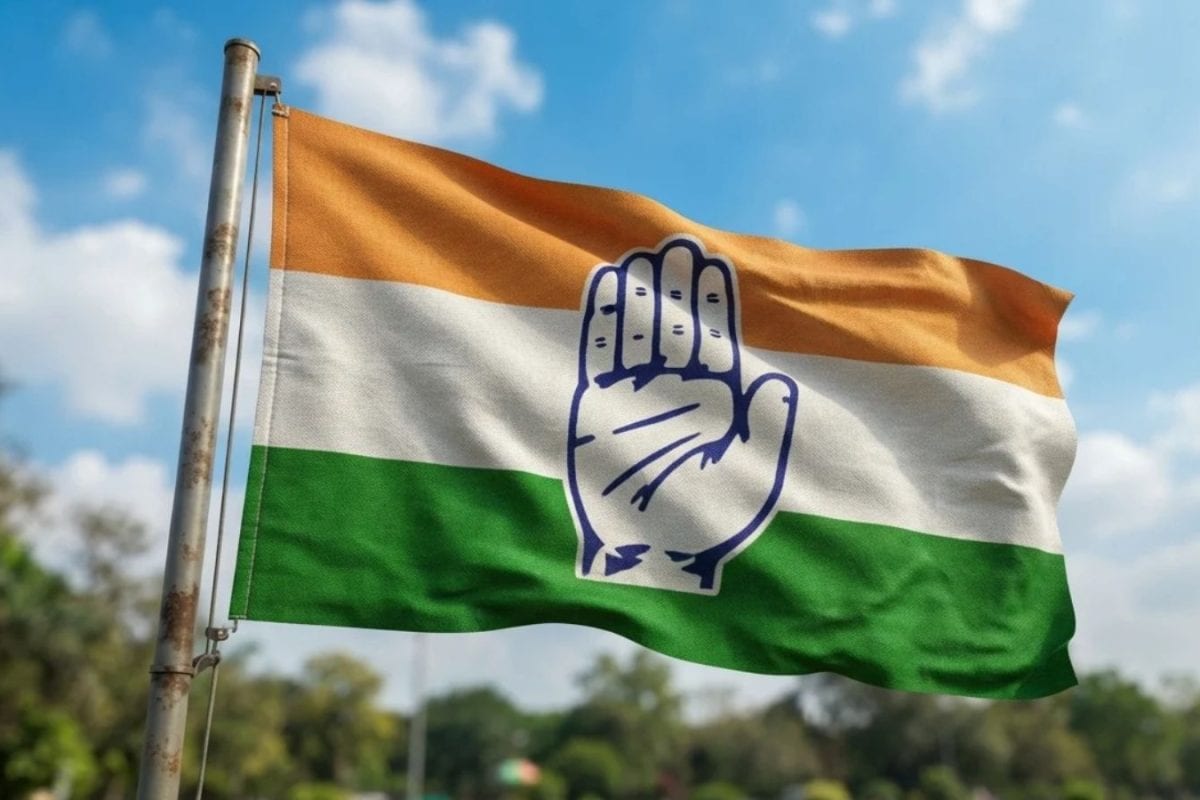
In a significant political development coming out of Rajasthan, the latest results of the rural local body elections have showcased surprising and decisive electoral trends. Specifically within the Jaipur district, the Congress party has delivered an exceptional performance, capturing the attention of political observers across the state. The ongoing counting and declaration of results for various rural administrative bodies have consistently favored the ruling ideological framework of the party in these specific pockets, establishing a robust mandate at the grassroots level.
Analyzing the historical context of local self-government elections in Rajasthan, rural electoral battles have always served as a crucial barometer of public sentiment between the major political adversaries, namely the Congress and the Bharatiya Janata Party. Panchayat samitis form the foundational bedrock of rural administration, executing vital developmental works, agricultural welfare initiatives, and infrastructural projects at the village level. Consequently, victories and defeats in these local body contests carry profound psychological and strategic weight for both political formations ahead of broader state-level political engagements.
Delving into the specific ground realities and officially reported statistics from the election commission, the contest has proven highly decisive in designated areas. Out of the total 22 panchayat samitis falling within the territorial jurisdiction of Jaipur district, results for 95 specific wards have been officially declared so far. Among these fiercely contested 95 seats, the Congress party has firmly established its supremacy by capturing an impressive 51 seats. This numerical dominance highlights a cohesive voter mobilization strategy executed by party cadres across the rural hinterlands of the state capital.
Conversely, the principal opposition party, the Bharatiya Janata Party, has faced a stark underperformance in these newly declared ward outcomes. Despite running an aggressive campaign highlighting various national and regional policy frameworks, the BJP could secure only 21 seats out of the 95 declared positions. This substantial electoral gap has prompted intense internal reviews within the opposition ranks, as party strategists attempt to decode the underlying causes behind the decisive shift in rural voter preferences during this phase of the panchayat elections.
The resounding success of the Congress party in these rural bodies is anticipated to cast a far-reaching impact on the socio-political dynamics of the region, including surrounding semi-urban and rural constituencies such as Kotputli-Behror. Local communities, agricultural producers, and rural laborers closely monitor these institutional outcomes, as leadership control over panchayat samitis directly dictates the allocation of development funds, public distribution efficiencies, and rural employment guarantee scheme implementations. A stronger political representation at the local tier often translates into smoother administrative facilitation for grassroots development projects.
From an administrative standpoint, election officials and district authorities have maintained strict vigilance to ensure the transparent, fair, and peaceful conclusion of the remaining vote counting processes. Statutory oversight protocols have been rigorously enforced across all counting centers in Jaipur to prevent any procedural anomalies or security flare-ups between rival political supporters. District administration teams remain fully mobilized to manage the ensuing administrative formalities required for the constitution of various panchayat samiti committees once all ward results are formally consolidated.
Looking ahead, the successful conclusion of these remaining ward results will trigger the election of pradhans and up-pradhans across the respective panchayat samitis in Jaipur district. Political parties are already engaged in hectic behind-the-scenes negotiations and camp management strategies to secure the required numbers for executive leadership positions. As the political temperature continues to soar across rural Rajasthan, the ultimate outcome of these foundational elections will undoubtedly shape local governance and administrative execution for the foreseeable future.
