
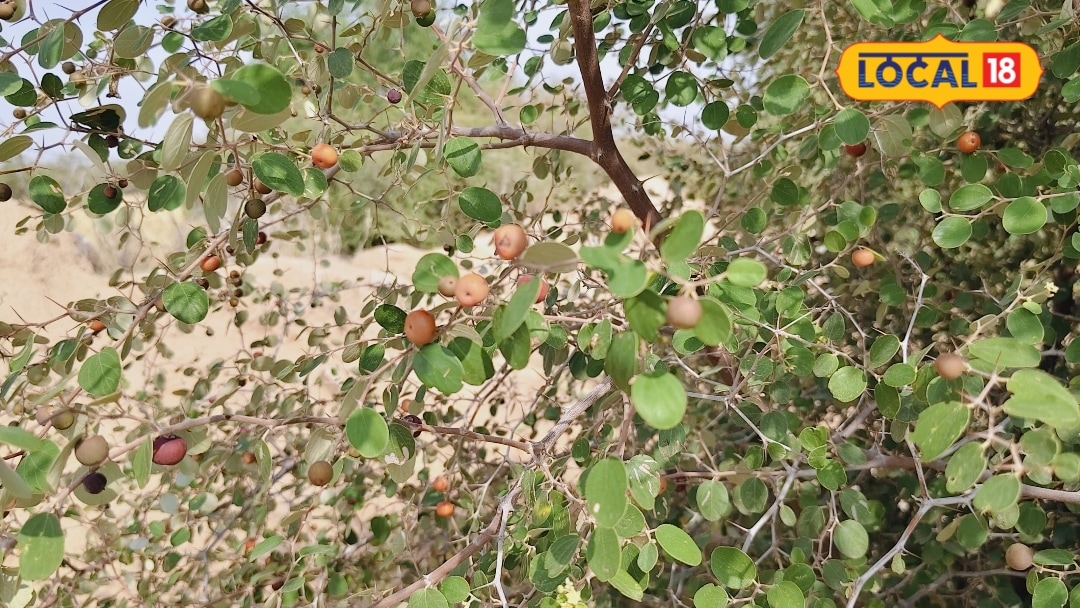
As winter begins across the region, the vibrant markets of Bikaner, Rajasthan, have witnessed the seasonal arrival of nutrient-dense native berries, locally known as ber. These traditional fruits have quickly captured the attention of health-conscious consumers and local traders alike, marking the official transition into the colder months with their unique flavor and high nutritional profile. The arrival of these berries brings both a culinary tradition and a timely health boost to households navigating the seasonal weather change.
Historically, the consumption of native berries during the winter season has deep roots in the dietary traditions of Rajasthan. Generations have relied on these indigenous fruits not only for their distinct taste but also as a natural source of vitality during the colder months. Originating from arid and semi-arid tracts, these resilient plants naturally concentrate essential vitamins and minerals, making them an integral part of the regional agricultural heritage and seasonal diet.
Evaluating the current ground reality in the local marketplaces, traders have pegged the retail price of these seasonal berries between 120 and 140 rupees per kilogram. This pricing reflects both the current market demand and the logistical efforts required to transport the fresh produce from orchards to urban vendors. Despite fluctuating market conditions, consumer enthusiasm remains steady as buyers recognize the intrinsic value of incorporating fresh, seasonal produce into their daily nutrition.
Local vendors and community members have expressed positive views regarding the seasonal influx of these berries. Health advocates within the region note that regular consumption, when paired with a balanced diet and adequate physical activity, contributes significantly to overall well-being. Furthermore, nutritionists point out that the high fiber content present in these fruits plays a crucial role in maintaining digestive health and assisting individuals in managing their body weight effectively during the winter season.
Beyond immediate individual health benefits, the availability of these native fruits has a notable impact on the local economy of the broader region, echoing down to communities in Kotputli-Behror and surrounding districts. Small-scale vendors and local agricultural suppliers find a reliable source of seasonal income through the trade of these berries. This localized economic activity supports traditional supply chains and fosters a sustainable market environment for indigenous agricultural yields.
In terms of administrative oversight and public health awareness, agricultural and health departments continue to monitor the quality and safety of seasonal produce entering public marketplaces. Authorities encourage hygienic handling and transparent pricing to protect consumer interests. Educational campaigns often accompany the winter season, reminding the public to embrace traditional superfoods that bolster community health standards without placing an undue financial burden on households.
Looking ahead, agricultural experts and local traders anticipate a steady supply of native berries throughout the peak winter weeks, provided weather conditions remain favorable. As public awareness regarding natural antioxidants and oxidative stress prevention grows, the demand for such indigenous fruits is expected to remain robust. Community stakeholders and health planners remain optimistic that traditional dietary habits will continue to thrive alongside modern nutritional science for years to come.
