
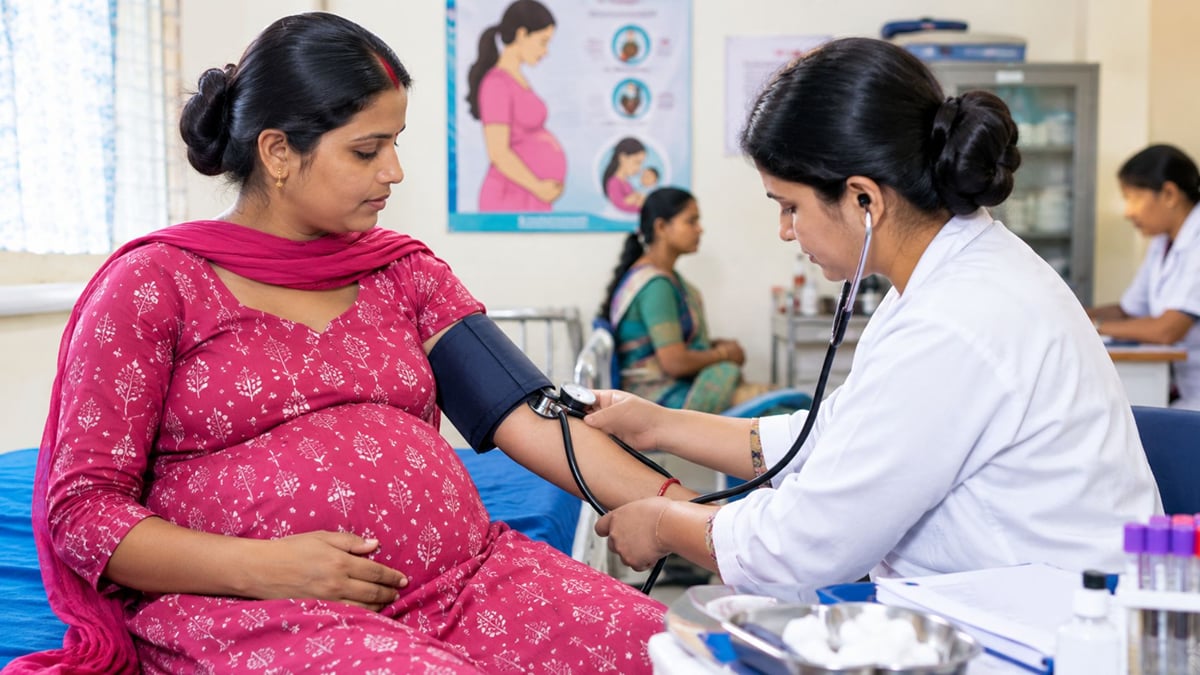
In an earnest endeavor to safeguard maternal and infant health, the Medical and Health Department has officially commenced a specialized screening campaign across Jaipur. This concerted administrative effort is designed specifically to detect high-risk pregnancies at an early stage, thereby enabling timely medical interventions. Expectant mothers throughout the region are being brought under a systematic surveillance umbrella to ensure that any potential medical complications are identified well before they escalate into critical emergencies.
Pregnancy-related complications have historically presented a formidable challenge to public health infrastructure, necessitating structured and proactive screening protocols. Recognizing the vulnerability of expectant mothers, the health authorities have structured this campaign to address systemic gaps in antenatal care. The initiative draws upon years of operational learnings in maternal healthcare, focusing on preventive diagnostics and sustained medical engagement rather than reactive treatment alone.
The ground-level execution of this campaign involves a comprehensive protocol comprising mandatory diagnostic tests, structured clinical evaluations, and rigorous tracking mechanisms. Essential investigations are conducted to detect underlying health conditions such as gestational hypertension, severe anemia, gestational diabetes, and other physiological vulnerabilities. By systematically compiling these health parameters, medical practitioners can categorize cases accurately and prioritize high-risk individuals for specialized medical attention.
Public health administrators, frontline healthcare workers, and medical specialists have thrown their weight behind this initiative, emphasizing its critical importance for community well-being. According to departmental briefings, continuous follow-ups are being maintained with every registered expectant mother to ensure adherence to prescribed treatment regimens. Healthcare workers are actively counseling families on nutritional requirements, danger signs during pregnancy, and the absolute necessity of institutional deliveries.
While the epicenter of this administrative drive is Jaipur, the procedural framework serves as a vital benchmark for neighboring districts, including Kotputli-Behror. The ripple effects of robust maternal screening protocols in the capital positively influence regional health standards, encouraging local healthcare facilities to adopt rigorous monitoring practices. Communities within the extended administrative boundaries stand to benefit from enhanced medical preparedness and sensitized local health networks.
Administrative oversight remains stringent, with senior health officials regularly reviewing the progress of screenings, diagnostic availability, and referral linkages at district and sub-district levels. In instances where specialized tertiary care is warranted, streamlined referral pathways have been established to transport patients to advanced medical institutions without administrative delays. This seamless coordination between grassroots health workers and specialized hospitals minimizes critical transit time during emergencies.
Looking ahead, the Medical and Health Department intends to sustain this momentum through continuous public awareness campaigns and periodic health camps. The long-term vision of this administrative endeavor is to institutionalize high-risk pregnancy screening as a permanent component of routine antenatal care. Through unwavering commitment, systematic execution, and community participation, the health authorities are steadily advancing toward a safer healthcare environment for every mother and child in the region.
