
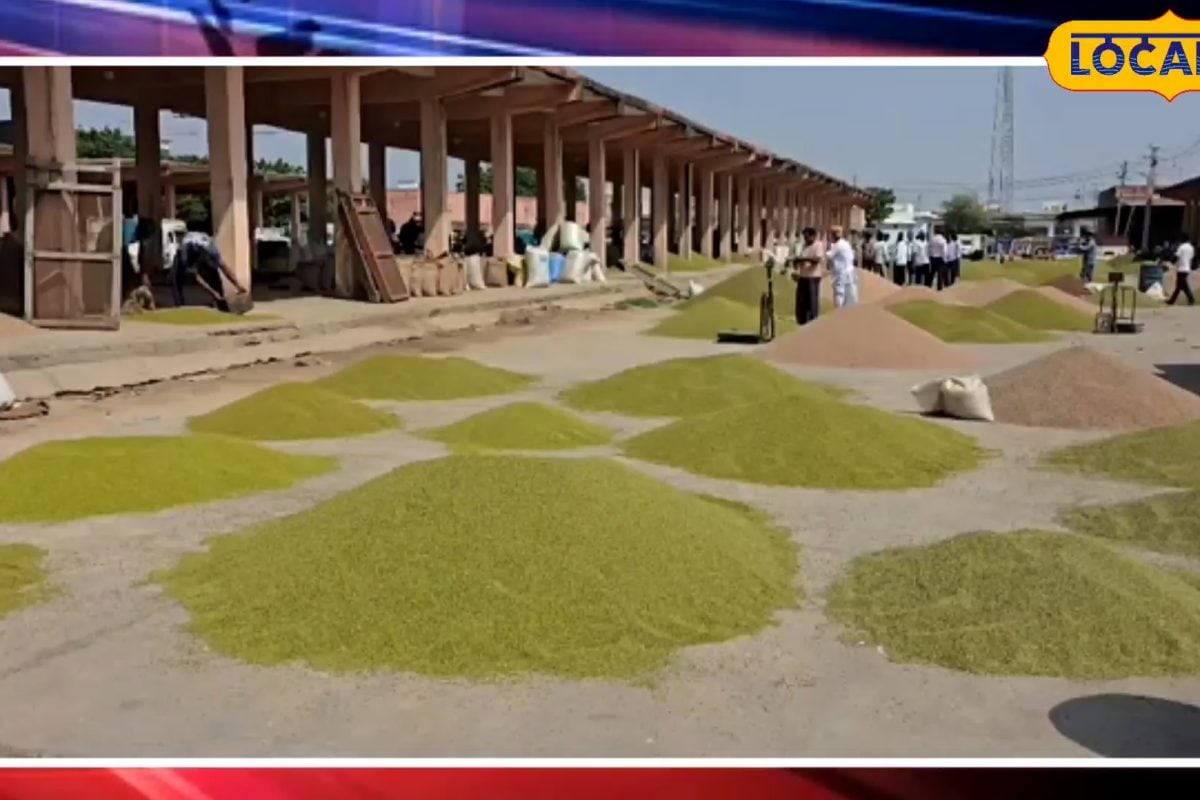
The agricultural commodity market in Merta has recently experienced notable price volatility, marking a significant shift in the valuation of several staple crops. Farmers and agricultural traders operating within the jurisdiction of the Merta Mandi have observed distinct trends, characterized by a strengthening of specific commodities alongside a downward correction in others. This dynamic environment continues to dictate daily trade volumes and influences the economic planning of rural producers across the region.
As an established trading hub, Merta Mandi has historically served as a critical barometer for agricultural commerce within the region. The interplay of regional supply constraints, seasonal harvesting schedules, and broader consumer demand traditionally governs the daily market quotations. Understanding these underlying economic drivers provides essential context for the current price adjustments observed by local producers who rely heavily on fair and transparent market valuations.
Recent trading sessions at the market yard highlighted a marked appreciation in the prices of cumin seed and cluster bean, bringing welcome financial relief to cultivators specializing in these particular crops. The upward trajectory in these specific commodities reflects active buying interest and localized supply tightness. Conversely, traditional pulses and oilseeds such as green gram, gram, and taramira faced downward pressure, resulting in lower settlement prices during the trading day.
Market participants, including commission agents, wholesale traders, and independent farmers, have engaged in extensive discussions regarding these shifting market parameters. While producers of gaining commodities express cautious optimism regarding their immediate financial returns, those dealing in declining produce are evaluating alternative storage and marketing strategies to mitigate potential revenue losses. The dialogue among stakeholders underscores the complex financial stakes involved in agricultural commerce.
The economic repercussions of the price fluctuations recorded at Merta Mandi extend outward, influencing commercial activities and trade linkages across neighboring districts. Local market ecosystems depend heavily on the purchasing power generated by successful agricultural seasons. Consequently, any substantial variation in crop realization values immediately alters consumer spending patterns and retail trade dynamics throughout the wider regional economy.
Administrative oversight within the market yard remains focused on ensuring transparent auction proceedings and maintaining orderly trading conditions for all participating parties. Market committee officials routinely monitor daily arrivals, price discovery mechanisms, and infrastructure efficiency to safeguard the interests of both farmers and buyers. Compliance with established regulatory frameworks helps sustain confidence in the institutional integrity of the Mandi.
Looking ahead, agricultural experts and market analysts project continued price fluctuations as seasonal arrivals progress and broader market demand adjusts. Farmers are advised to stay informed regarding daily rate updates, weather forecasts, and institutional advisories to optimize their marketing decisions. Continuous vigilance and strategic planning will remain vital for agricultural producers navigating the evolving economic landscape of the region.
