
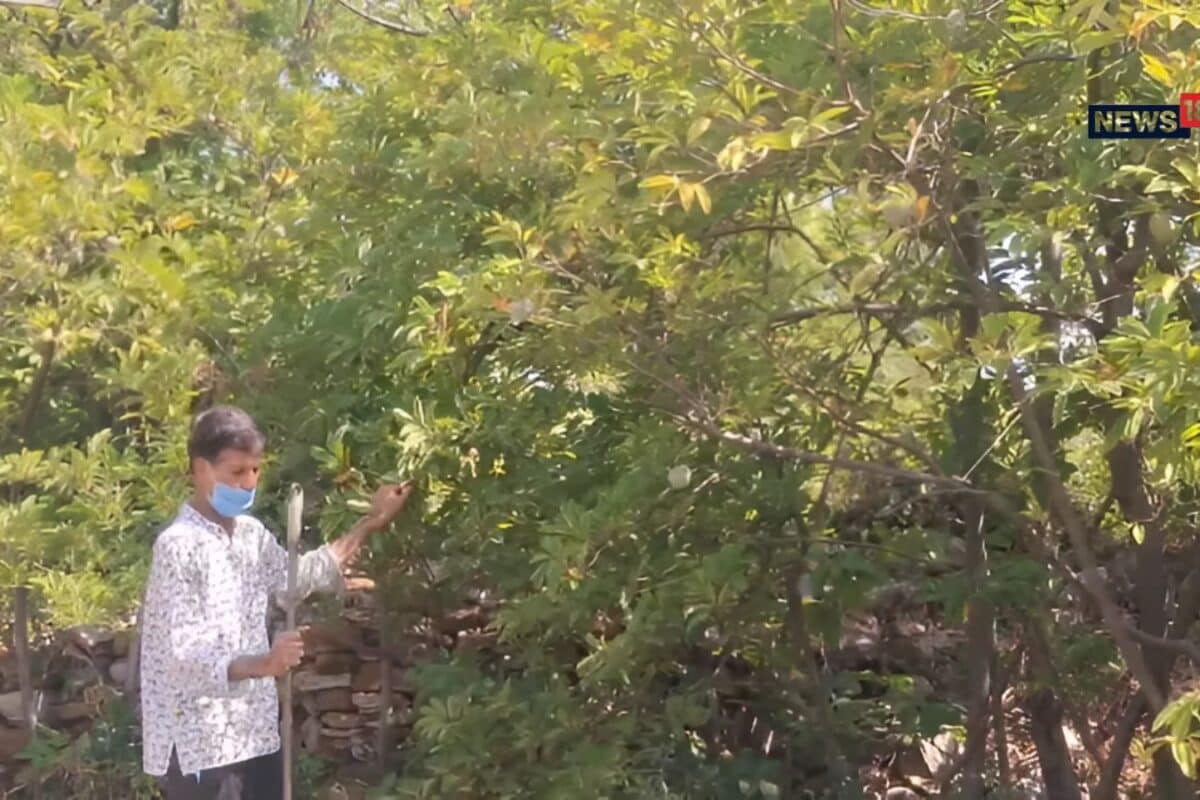
Chittorgarh Fort's world-famous custard apples, locally known as Sitafal, are commanding premium prices ranging between Rs 100 and Rs 150 per kilogram in current regional markets. Renowned for their extraordinary natural sweetness and rich texture, these fruits have seen a massive surge in demand among both domestic consumers and international visitors during the ongoing harvesting season.
Spanning an expansive perimeter of 13 kilometers, the natural groves surrounding the historic Chittorgarh Fort have sustained these self-propagating custard apple trees for centuries without any commercial sowing or synthetic farming practices. The unique microclimate and mineral-rich soil around the ancient fortress provide optimal natural conditions for organic growth, yielding high-quality produce celebrated across global trade channels.
Market dynamics this season reflect a lucrative environment for local fruit vendors despite fluctuations in seasonal output. Retailing steadfastly at Rs 100 to Rs 150 per kilogram, the fruit has become a highly sought-after commodity. The continuous influx of tourists visiting the UNESCO World Heritage site has directly boosted daily sales, allowing merchants to maintain high turnover rates throughout the harvest period.
Commenting on the current market condition, local trader Ashok Rajora stated that deficient rainfall during the monsoon months led to a reduced total harvest across the 13-kilometer natural forest belt. However, Ashok Rajora emphasized that the elevated retail prices have effectively offset the drop in production volume, providing traders and harvesters with robust profit margins and sustainable earnings.
The economic impact of Chittorgarh's custard apple trade resonates well beyond the immediate district, influencing fruit markets in regional centers such as Kotputli. Wholesale distributors and consumers in Kotputli frequently track the arrival of these distinctive heritage crops, which spur seasonal employment, support informal trade networks, and highlight the economic vitality of Rajasthan's indigenous produce.
Administrative oversight and local ecological awareness remain critical to preserving this unique 13-kilometer natural orchard belt. Authorities continuously monitor harvest activities to prevent environmental degradation of the historic site while ensuring that local communities retain their traditional rights to collect and market the naturally occurring produce responsibly.
Looking ahead, traders anticipate high consumer demand to persist through the peak winter tourism season. Although annual rainfall variability remains an ongoing consideration for future crop volumes, the established reputation and unrivaled sweetness of Chittorgarh Fort's Sitafal secure its status as a cornerstone of the regional agricultural economy.
