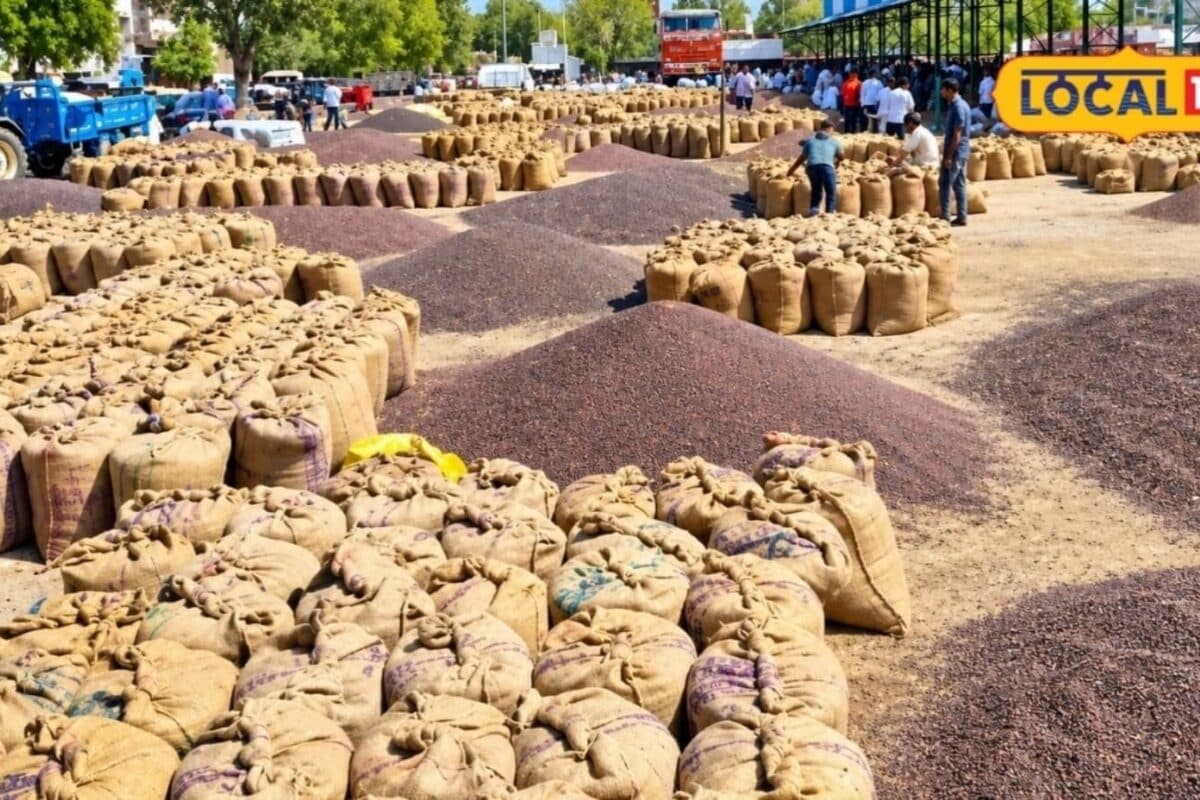
Nagaur district has recently witnessed a remarkable turnaround in its agricultural fortunes, as a challenging and weak monsoon season raised initial alarms regarding crop failures. Extended dry spells and unpredictable rainfall patterns across the region created considerable anxiety among the farming community who heavily depend on timely precipitation for their seasonal yields. However, despite these unfavorable climatic conditions, the resilient guar crop has successfully braved the dry spells, transforming apprehension into a renewed sense of economic relief for local cultivators.
The historical context of farming in this arid region is deeply intertwined with traditional crops that possess high drought tolerance. Over the years, cultivators in Nagaur have adapted to the vagaries of nature by allocating significant portions of their land to hardy indigenous crops. In the current agricultural season, approximately 50 to 55 percent of the total arable acreage in the region has been dedicated specifically to the cultivation of guar, proving once again that traditional agricultural wisdom often aligns with environmental resilience during adverse weather cycles.
An intensive assessment of the ground reality reveals that the timely, albeit limited, moisture received at crucial intervals played a pivotal role in nurturing the crops to a healthy developmental stage. As harvesting and threshing operations gather significant momentum across the fields, farmers are reporting highly satisfactory outcomes. Many agricultural practitioners have confirmed receiving a robust yield of 2 to 3 quintals per bigha, which substantially exceeds the conservative estimates initially predicted at the onset of the weak monsoon phase.
Market dynamics have further bolstered the financial standing of the local agriculturists, with current trading prices at regional mandis hovering strongly between 6400 and 6500 rupees per quintal. This favorable pricing structure provides a much-needed monetary cushion, ensuring that the farming households can cover their operational expenditures and secure reasonable profits despite the overall shortfall in total agricultural output caused by erratic weather patterns.
Beyond the direct economic returns derived from the harvested seeds, the cultivation of guar offers vital complementary benefits to the rural economy through integrated animal husbandry. The residual plant matter serves as an exceptional and highly nutritious source of fodder for domestic livestock, allowing farmers engaged in both agriculture and dairy-related activities to reduce their supplementary feed expenses significantly.
Agricultural experts and administrative observers continue to monitor the ongoing harvesting processes to ensure that logistical bottlenecks at local marketplaces are minimized for the farming populace. Facilitating smooth procurement operations remains a priority for local authorities, ensuring that cultivators can seamlessly convert their harvest into stable income without facing unnecessary market exploitation or procedural delays.
Looking toward the future, the remarkable performance of the guar crop under duress serves as a vital learning paradigm for sustainable dryland farming in the region. Agricultural planners anticipate that these positive outcomes will encourage continued adoption of climate-resilient cropping strategies, thereby fortifying the local agrarian economy against future climatic uncertainties and reinforcing the livelihood security of rural households.