
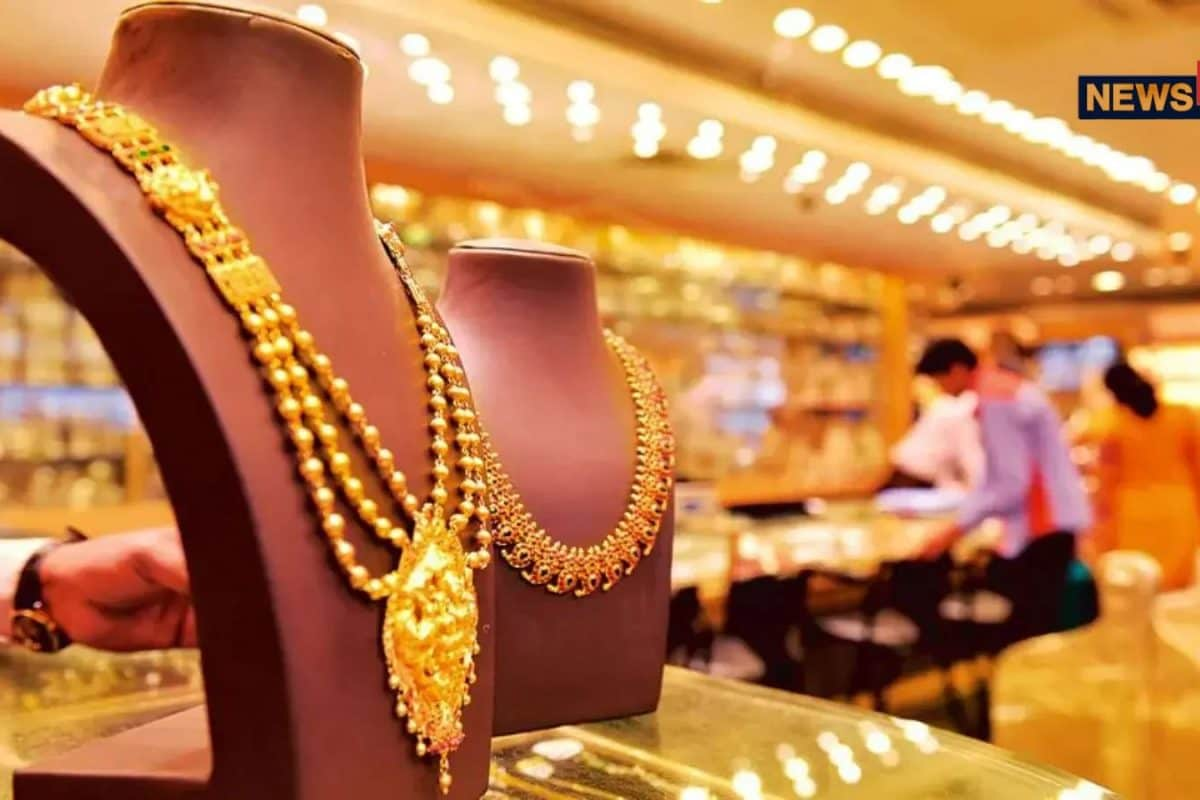
In a significant development for the local bullion trade, the Jaipur bullion market witnessed a sharp and notable decline in the prices of precious metals today on Thursday. Market participants and retail consumers alike have been closely observing the fluctuating market trends over the past few weeks, culminating in today's substantial downward revision of both gold and silver rates. The financial implications of this sudden price correction are expected to ripple across local retail markets, influencing purchasing decisions for upcoming family events and investment portfolios.
The current economic environment and domestic market dynamics have continuously influenced bullion valuations throughout the year. Historically, the Jaipur bullion market serves as a major regional trading hub, absorbing global economic indicators and translating them into local retail rates. Market analysts note that periodic corrections of this magnitude are part of broader commodity cycle fluctuations, where seasonal demand shifts and international bullion exchange trends frequently dictate localized pricing structures across major trading centres in Rajasthan.
Providing specific details on the financial statistics recorded today, the Jaipur Bullion Traders Committee officially reported that the 999 purity silver experienced a massive slump of 3,500 rupees per kilogram. This steep reduction has pushed silver prices down to an impressive annual low of 167,000 rupees per kilogram. In parallel, the yellow metal also recorded downward movement, with 24-carat gold registering a price drop of 1,500 rupees to settle at 135,500 rupees per 10 grams, while ornament-grade 22-carat gold was traded at 124,400 rupees per 10 grams.
Representing the trading community, spokespersons from the Jaipur Bullion Traders Committee emphasized that such substantial price adjustments naturally alter consumer sentiment. While bullion traders monitor the inventory values closely, retail customers and prospective buyers have expressed immense relief regarding the reduced rates. Families preparing for upcoming wedding seasons and festivals view this price drop as an opportune window to acquire gold and silver jewelry without facing the severe financial strain observed during peak pricing periods earlier in the cycle.
Beyond the immediate municipal boundaries of the state capital, the economic shockwaves of these price fluctuations extend directly into surrounding districts, including the Kotputli-Behror region. Local retail jewelers and regional consumers in Kotputli closely track the Jaipur market benchmarks to determine localized pricing for everyday retail transactions. The reduced rates of silver at 167,000 rupees per kilogram and 22-carat gold at 124,400 rupees per 10 grams provide substantial relief to rural and semi-urban households who traditionally rely on precious metals as a secure asset class.
In terms of regulatory oversight and administrative monitoring, local trade associations and market committees continue to ensure fair pricing transparency across all retail outlets. While direct statutory intervention is rarely required for routine market-driven price corrections, consumer protection forums and trade bodies actively maintain vigilance against artificial hoarding or speculative manipulation. Ensuring standardized purity levels, particularly for 999 silver and certified 24-carat and 22-carat gold, remains a top priority for trade watchdogs operating within the jurisdiction.
Looking forward, market analysts and bullion traders anticipate a period of cautious stabilization as buyers capitalize on these newly established annual lows. The upcoming weeks will likely witness heightened retail activity as consumers take full advantage of the lowered price thresholds for both gold and silver. Stakeholders across the Jaipur bullion ecosystem will continue monitoring macroeconomic indicators, currency fluctuations, and domestic demand patterns to accurately forecast future price trajectories in the regional market.
