
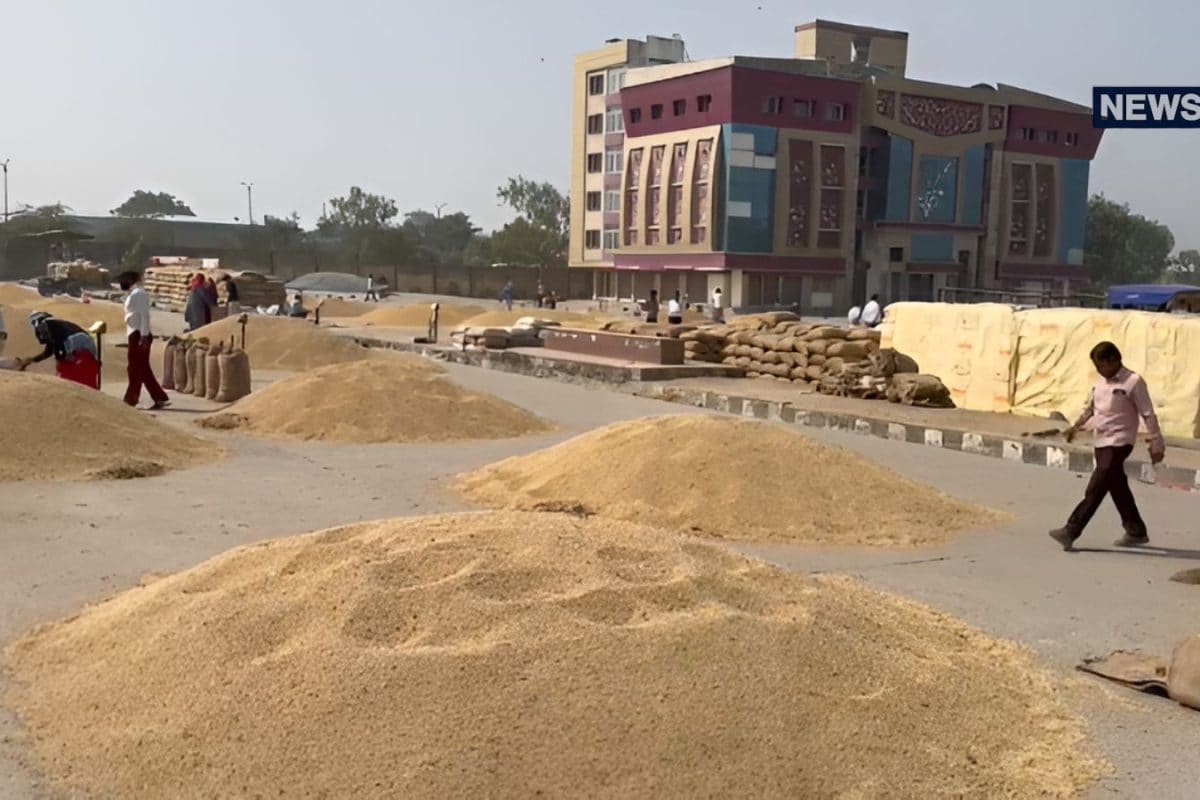
Kota Bhamashah Mandi, recognized globally as one of Asia's most prominent agricultural trading hubs, is currently grappling with an unprecedented and overwhelming surge of incoming food grains and commodities. The sprawling market yards are operating at absolute full capacity, leaving practically no physical space to accommodate the massive influx of agricultural produce arriving from various agricultural sectors. This extraordinary trading season has triggered intense logistical challenges for administrators, merchants, and farmers alike, transforming the traditional marketplace into a bottleneck of high-volume commercial activity.
Historically, the market has always served as the primary economic anchor for regional farmers seeking viable remuneration for their harvested crops. The origins of this massive seasonal rush lie in favorable climatic conditions, expanded cultivation areas, and sustained agricultural yields across the agrarian belt. Over the decades, Kota Bhamashah Mandi has evolved from a modest trading post into an indispensable pillar of agricultural commerce, attracting producers from far and wide who rely heavily on its robust auction systems and transparent pricing mechanisms.
The ground reality within the market premises presents a dramatic picture of overflowing godowns, congested pathways, and immense trading volumes, with daily arrivals consistently crossing the milestone of 3.50 lakh bags of assorted produce. This staggering volume has completely saturated the storage capacity, forcing administrative bodies to deploy emergency measures to manage the logistical chaos. Outside the massive compound gates, endless queues of heavily laden transport vehicles stretch for kilometers, causing significant traffic disruptions and testing the patience of everyone involved in the supply chain.
Amidst this bustling environment, stakeholders including local farmers, commission agents, and wholesale traders find themselves navigating a complex web of opportunities and hardships. While producers express satisfaction over the steady movement of their yields, they simultaneously voice concerns regarding prolonged waiting times, loading delays, and the physical exhaustion of managing produce under cramped conditions. Traders and administrative officials are working tirelessly around the clock to streamline the auction processes, ensure fair trade practices, and maintain order amidst the overwhelming daily crowds.
The unprecedented commercial activity within Kota Bhamashah Mandi radiates far beyond the immediate municipal limits, sending powerful ripple effects through the regional economy of Rajasthan. Neighboring districts, including communities within the broader Kotputli-Behror region, observe these developments closely as barometers of agrarian prosperity and market liquidity. The financial health of rural households, transportation networks, and allied commercial sectors remains deeply intertwined with the smooth functioning and high-volume turnover witnessed at this premier agricultural marketplace.
In response to the mounting logistical crisis, administrative authorities have stepped up their monitoring and intervention strategies to restore operational order. Temporary traffic diversions, extended auction hours, and strict regulatory oversight at entry points have been implemented to mitigate the congestion caused by the continuous stream of transport vehicles. Officials are continuously reviewing safety protocols and infrastructure limits to prevent any untoward incidents, ensuring that the massive volume of goods moves as efficiently as humanly and mechanically possible through the trading channels.
Looking ahead, the overarching outlook for Kota Bhamashah Mandi remains exceptionally robust, underscored by the landmark financial milestone where revenue generation has officially surpassed the previous year's figure of 70 crore rupees. As the peak harvesting season continues to unfold, market committees and agricultural experts anticipate that high arrival volumes will persist for the coming weeks. Stakeholders remain cautiously optimistic that upcoming administrative upgrades and streamlined procedures will successfully transform this seasonal challenge into a permanent testament to the region's enduring agricultural strength.
