
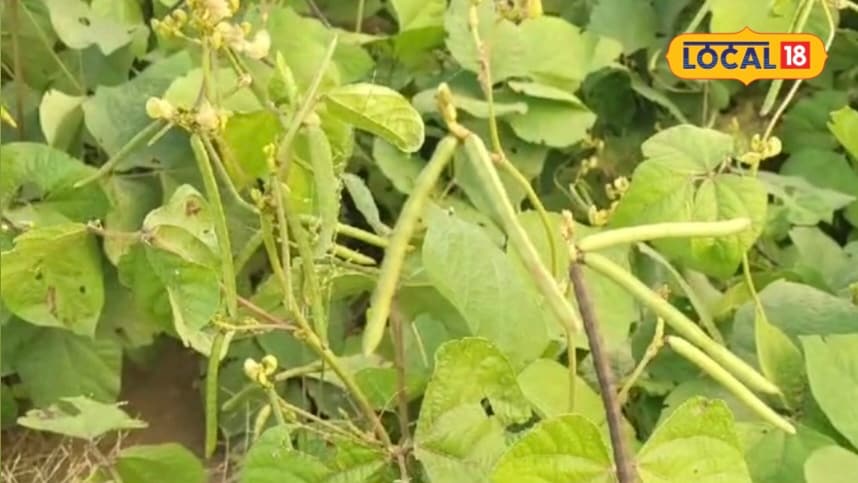
As the auspicious month of October begins across the region, agricultural fields in Jalore present a vibrant picture of rural activity with the moong crop having fully matured. Farmers have actively stepped into their fields to commence the intensive process of crop harvesting. This seasonal milestone marks the culmination of months of rigorous agricultural effort, bringing renewed energy to the farming community as they await the fruits of their hard labor.
The cultivation of moong holds significant agricultural and economic importance for the agrarian landscape of Jalore. Historically, the region has witnessed varying cycles of crop yields influenced heavily by seasonal rainfall patterns and local soil characteristics. The current agricultural season has progressed through favorable growth stages, leading up to the harvest period where the quality of the produce is closely linked to timely agricultural operations and meteorological stability.
At the ground level, the logistical stakes during this harvest period are substantial for local cultivators who depend heavily on seasonal yields for their economic sustenance. The transition from standing crops to harvested grains involves meticulous physical labor and precise timing. The financial well-being of farming households for the upcoming months is intrinsically tied to how efficiently they manage the harvest and subsequent post-harvest handling phases.
Sharing insights from the heart of the agricultural operations, local farmer Manaram elaborated on the operational dynamics on the ground. He pointed out that if the weather remains clear and favorable during the crucial cutting phase, it becomes significantly easier to manage the crop and complete the extensive harvesting work efficiently within the optimal timeframe. Such community perspectives highlight the precarious balance farmers must maintain against unpredictable weather fluctuations.
While the immediate operations are concentrated in the fields of Jalore, the broader economic ripples extend toward regional trade centers, including markets relevant to the Kotputli-Behror district and surrounding commercial hubs. The arrival of fresh moong produce directly influences local wholesale market rates, trading volumes, and the overall agricultural economy. Traders and consumers alike monitor these harvest progressions closely to anticipate supply trends.
Administrative bodies and agricultural extension services traditionally maintain a watchful eye on harvesting activities to provide necessary advisories, though farmers primarily rely on traditional community cooperation and familial labor during this peak period. Ensuring smooth logistical pathways from the farm gates to the local mandis remains a key priority for maintaining stable market operations and preventing distress sales by cultivators.
Looking forward, the upcoming days will witness the completion of cutting, followed immediately by crucial post-harvest procedures such as thorough sun-drying and the separation of grains from the pods. Farmers remain deeply hopeful that market rates in the mandis will match their expectations, rewarding their dedication and securing financial stability as they prepare for subsequent agricultural cycles.
