
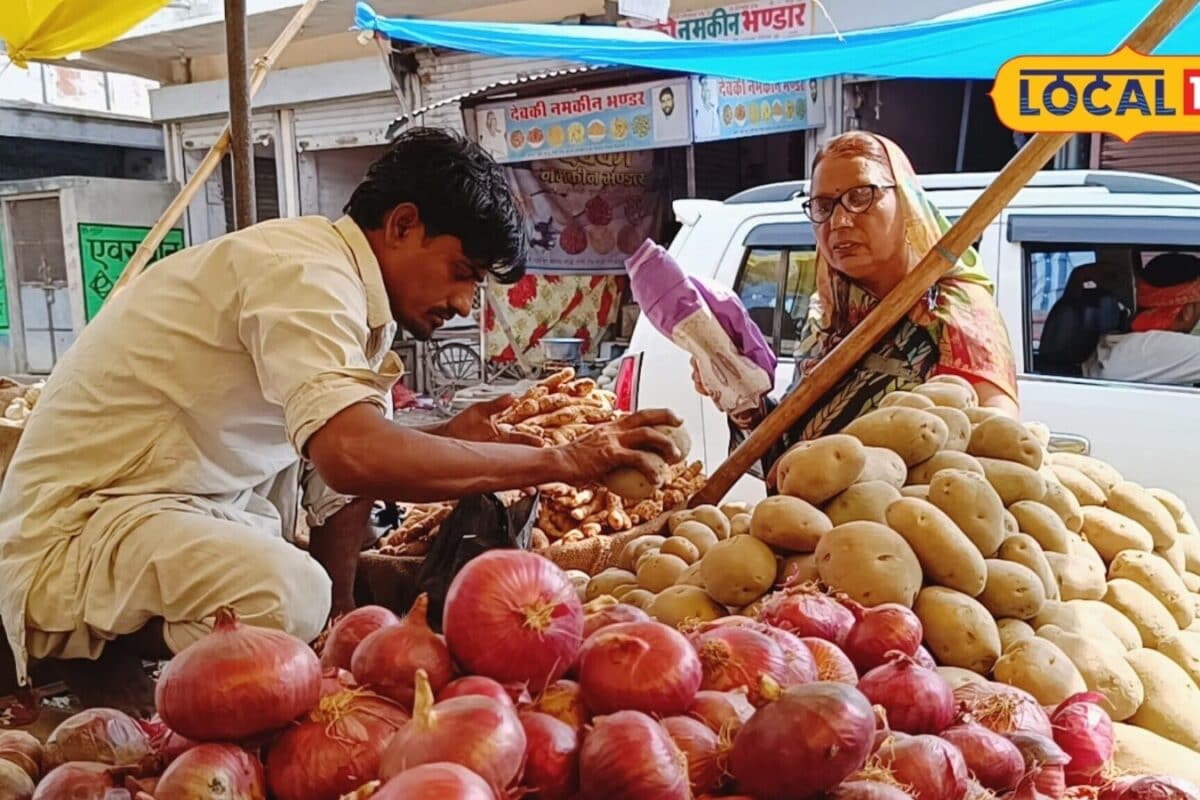
In the bustling agricultural and vegetable markets of Karauli, a distinct agricultural trend has captured the attention of local consumers and wholesale merchants alike. Over recent weeks, red onions originating from Alwar have witnessed a remarkable surge in demand, steadily displacing other regional varieties. This persistent preference is primarily driven by the unique gastronomic attributes of the Alwar produce, which boasts a notably pungent flavor profile, a deep and attractive red pigmentation, and superior structural quality.
The agricultural landscape of Rajasthan frequently experiences shifts in vegetable supply chains, influenced heavily by regional climatic conditions, harvesting cycles, and inter-district transportation dynamics. Alwar has historically established a reputation for producing high-grade onion varieties that withstand storage and culinary processing better than standard counterparts. As local households and commercial food establishments across Karauli prepare their daily menus, the specific demand for this northern district's harvest has steadily solidified.
Examining the ground reality of the trade reveals substantial financial and logistical stakes governing the Karauli vegetable mandi. According to wholesale trader Lakhan Saini, the municipal marketplace currently receives a remarkable daily consignment of approximately 160 quintals of red onions exclusively dispatched from Alwar. This steady logistical inflow demonstrates a robust and unbroken supply chain operating despite broader agricultural fluctuations across the state.
The economic parameters governing this commodity highlight a fascinating consumer resilience in the face of inflation. Despite rising agricultural input and transportation costs, wholesale prices in the market currently range firmly between 45 and 50 rupees per kilogram. Consequently, retail consumers purchasing smaller quantities in local neighborhoods are paying approximately 60 rupees per kilogram. Remarkably, market analysts note that these elevated price points have failed to suppress sales volumes in the slightest.
Culinary habits within the region play a decisive role in maintaining this high consumption rate. Food preparation standards across households, restaurants, and catering services in Karauli heavily favor culinary bases that require robust flavoring. The Alwar red onion has become indispensable for preparing rich gravy-based dishes, traditional paneer delicacies, and diverse non-vegetarian preparations, where its pungent taste and coloring properties add exceptional value.
While administrative bodies and local market committees continually monitor commodity pricing to safeguard consumer interests, the free-market dynamics of vegetable trading in Karauli remain self-regulated. Local authorities oversee hygiene, weighing standards, and fair trade practices within the mandis to ensure that both incoming wholesale consignments from Alwar and outgoing retail distributions proceed transparently without artificial price inflation.
Looking toward the coming weeks, agricultural economists and local merchants anticipate that the high demand for Alwar red onions in Karauli will remain stable. As long as the daily influx maintains its current volume of 160 quintals, market equilibrium is expected to persist, satisfying the robust culinary requirements of the local population even as pricing trends continue to navigate broader seasonal market realities.
