
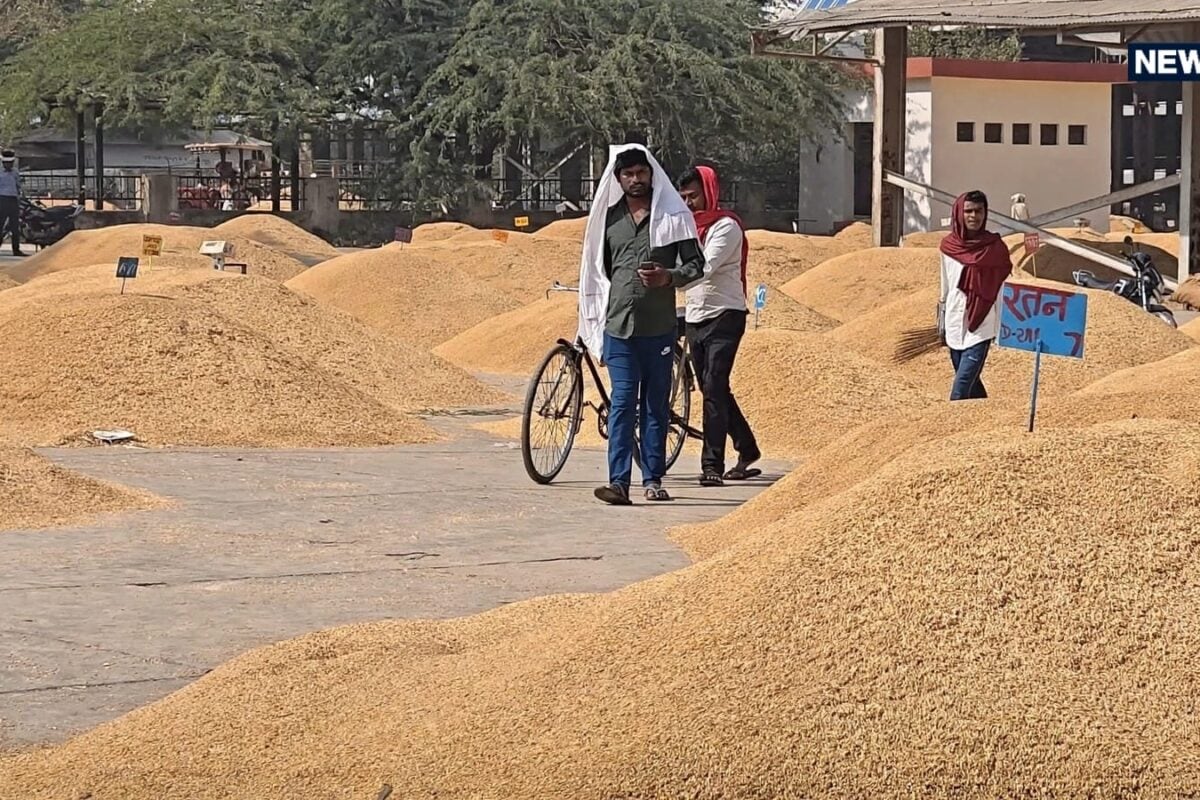
In a significant development for the regional agricultural economy, paddy prices in the prominent Bhamashah Mandi of Kota have witnessed a sharp upward trajectory, scaling up to 5100 rupees per quintal. This remarkable surge has transformed the market sentiments for grain producers, offering a lucrative financial return amid challenging agrarian realities. Agricultural markets have been closely monitoring this bullish trend, which highlights the shifting dynamics of cereal valuation across regional mandis.
The current market rally finds its origins in sustained high demand for superior quality Pusa paddy varieties. Over the preceding month alone, market records indicate that prices have escalated by approximately 800 rupees, reflecting a robust consumer and industrial appetite for premium grain selections. This escalation is not merely a seasonal fluctuation but an indicator of tightening supply chains for high-grade agricultural produce, which consistently commands premium valuation in competitive trading environments.
Delving into the ground reality, the financial and operational stakes for cultivators have been exceptionally high due to mounting input costs. The persistent inflation in expenditures related to chemical fertilizers, specialized seeds, and essential agricultural inputs had previously squeezed profit margins for local farming communities. The recent price spike to 5100 rupees per quintal serves as a timely economic cushion, helping producers offset these heavy operational investments and secure viable returns on their strenuous labor.
Stakeholder perspectives across the agricultural spectrum reveal a sharp divergence in expectations and immediate concerns. While farming organizations and individual cultivators express immense satisfaction over the current pricing structure and hope these favorable rates will sustain, consumers and retail representatives voice apprehension. The escalation in raw paddy valuation naturally portends an eventual increase in finished rice prices, prompting calls for balanced economic measures to safeguard household purchasing power.
The ripples of this market surge extend beyond immediate trading floors, directly influencing the broader regional economic landscape in and around the Kotputli-Behror district. As local agricultural revenues fluctuate in response to Bhamashah Mandi trends, rural purchasing power experiences concurrent adjustments. The local economy, heavily reliant on agrarian prosperity, navigates a complex scenario where enhanced farming incomes stimulate rural commerce while simultaneously stoking inflationary worries for essential food commodities.
Administrative oversight and market monitoring mechanisms remain critical as trading volumes fluctuate under the influence of these heightened valuations. Market committees and agricultural departments continuously observe the influx of grain arrivals, ensuring transparent auction processes within the Bhamashah Mandi. Although direct statutory price controls are rarely deployed in open market frameworks, regulatory bodies maintain vigilance to prevent speculative distortions and maintain fair trading practices for all participating entities.
Looking toward the forward outlook, market analysts and agricultural experts anticipate that price volatility will persist as the trading season progresses and remaining stocks are brought to market. Farmers fervently hope that the strong market demand for Pusa paddy will endure, solidifying their financial stability against future uncertainties. Meanwhile, consumer advocacy groups continue to press for vigilance regarding retail rice prices, ensuring that the delicate balance between remunerative returns for agricultural producers and affordability for ordinary households is carefully maintained.
