
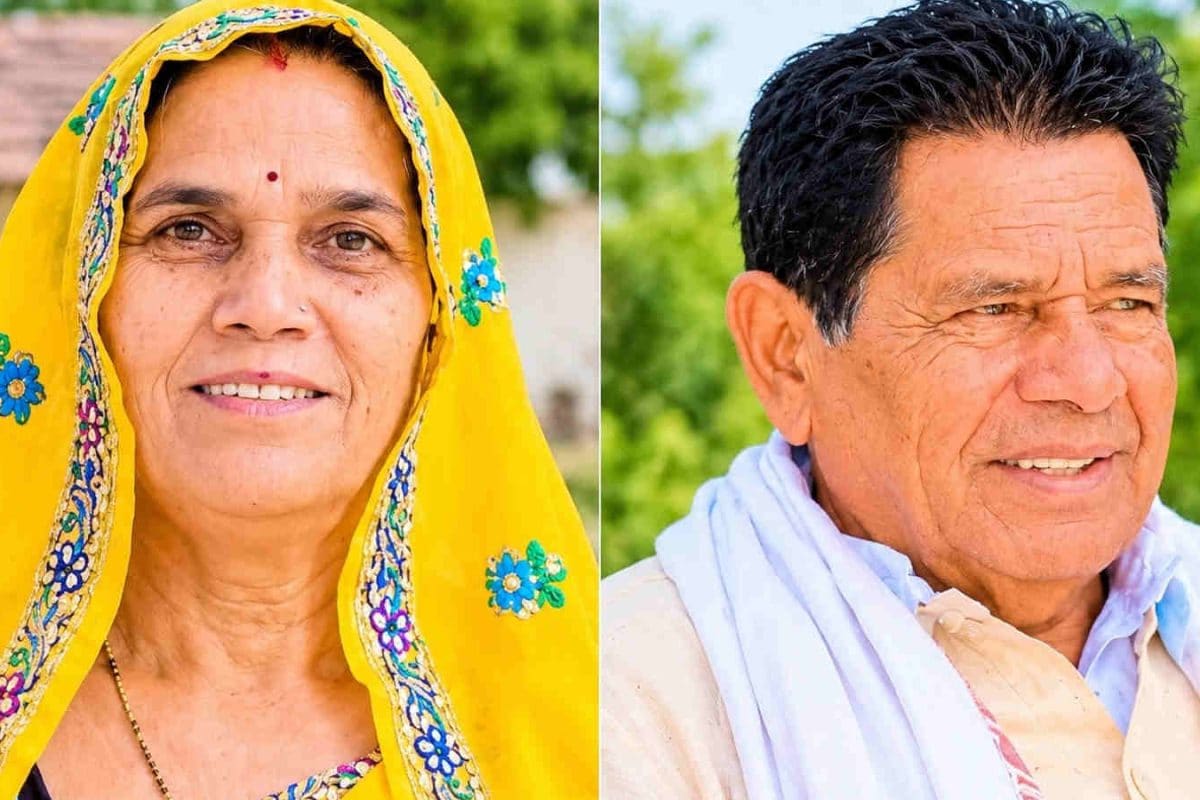
In the recently concluded panchayat elections across Rajasthan, the culmination of all electoral phases has brought forth numerous remarkable political narratives. While many villages witnessed young, first-time candidates stepping into local governance and securing impressive triumphs, several traditional political strongholds have demonstrated extraordinary durability. Among these, the continuing dominance of a single family stands out as a unique study in rural political loyalty and consistent administrative stewardship across decades.
The focal point of this political phenomenon is Azizpur gram panchayat, situated within the Todabhim panchayat committee of Karauli district. For an uninterrupted span of thirty years, the leadership of this local body has remained firmly within the grasp of the Meena family. This remarkable political journey reflects not merely an electoral streak, but a deep-seated institutionalization of family-led governance that has navigated the changing socio-political dynamics of the region.
A granular examination of the electoral statistics reveals the sheer depth of this family's governance over the local administration. Ram Singh Meena held the office of sarpanch twice, establishing the foundational momentum for the family's local political footprint. Following his tenure, his wife, Kaveri Devi, assumed the mantle, securing victories across multiple consecutive terms. With her latest electoral triumph, Kaveri Devi has successfully won the sarpanch position four distinct times, bringing the family's combined total to an astounding six terms in office.
The uninterrupted tenure of the Meena family evokes varied perspectives from local residents, community elders, and regional observers. Supporters point to consistent developmental continuity, effective grievance redressal, and the family's profound understanding of local administrative procedures as the primary drivers behind their sustained electoral success. Conversely, democratic purists and local political contenders frequently debate the implications of such prolonged dynastic control over grassroots institutions, questioning the emergence of alternative leadership pipelines within the village.
While the immediate geographical focus remains squarely on Azizpur within Karauli district, the broader implications of such entrenched local leadership resonate across rural Rajasthan. Panchayat institutions serve as the foundational building blocks of Indian democracy, where local resource allocation, sanitation, water supply, and rural employment schemes are directly overseen. The ability of a single family to helm these critical responsibilities for three decades underscores the complex interplay between traditional authority, social capital, and electoral mechanics in rural constituencies.
As the administrative machinery processes the final results of the current panchayat elections, local revenue and development officials continue to oversee the formal transition of power. Statutory guidelines mandate strict adherence to transparency, financial auditing, and the implementation of central and state welfare initiatives at the village level. The continuation of established leadership in Azizpur provides the local administration with a familiar counterpart, ensuring that ongoing development projects encounter minimal administrative friction during the transition.
Looking ahead, the newly constituted executive body under Kaveri Devi faces renewed public expectations regarding infrastructure development, employment generation, and socio-economic upliftment in Azizpur. The electorate has once again placed its faith in a familiar political dynasty, anticipating accelerated growth and transparent resource management over the coming term. As the local administration settles into its latest mandate, all eyes will remain on how this three-decade-old leadership legacy addresses contemporary rural challenges.
