
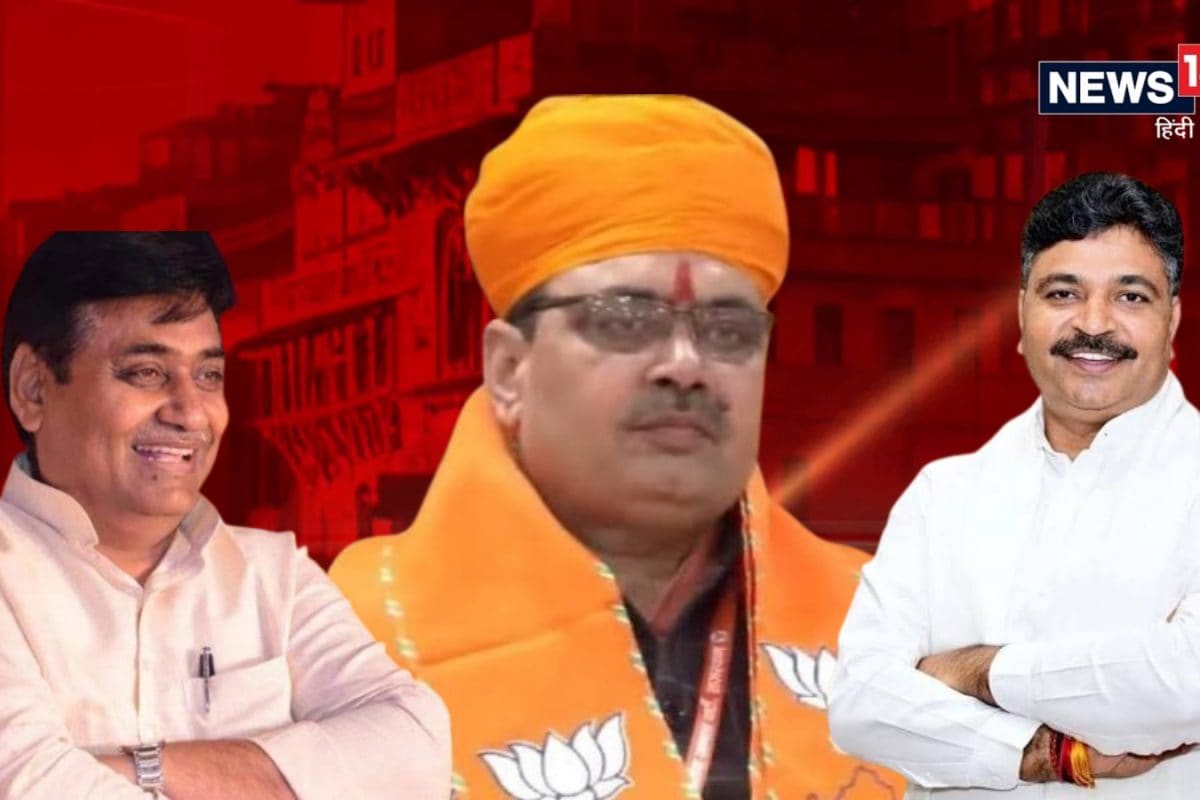
Following the recent conclusion of the Panchayat elections, the political climate in Rajasthan has intensified significantly as the Congress party has launched a frontal attack against the ruling administration. In a high-profile joint press conference held in Jaipur, senior party leadership formally demanded the immediate resignation of Chief Minister Bhajanlal Sharma and his entire cabinet, citing moral responsibility for the recent electoral outcomes.
The current political confrontation stems from the broader discontent surrounding the functioning of the Bhajanlal government over the past three years. Congress leaders emphasized that these rural elections serve as a direct referendum on the performance, policies, and administrative competence of the ruling dispensation, reflecting widespread disillusionment among the rural electorate.
During the briefing, PCC Chief Govind Singh Dotasra presented a severe critique of the state administration, highlighting persistent issues such as soaring inflation, rising unemployment, and a deteriorating law and order situation across various districts. He argued that the administration has consistently failed to fulfill its pre-poll promises, leaving the common citizens grappling with severe economic and social hardships.
Adding to the critique, Leader of Opposition Tikaram Juliy launched a sharp attack on the Bharatiya Janata Party, specifically targeting claims made by ruling party members regarding the electoral contest being a semi-final indicator. Juliy asserted that the public has decisively delivered its verdict against the hollow claims and ineffective policies of the government.
The political ramifications of these election results extend directly into regional districts, where local governance dynamics, administrative accountability, and community development initiatives are heavily influenced by state-level political shifts. Local leaders and community stakeholders are closely monitoring how the escalating political pressure will affect regional welfare schemes and public infrastructure projects.
In response to the mounting pressure from the opposition, administrative authorities and ruling party representatives are evaluating their political strategy, attempting to counter the narrative built around the electoral setbacks. While official administrative machinery continues its routine statutory functions, the political leadership faces heightened scrutiny regarding policy execution and public delivery mechanisms.
Looking ahead, the Congress party has signaled a comprehensive statewide agitation strategy to capitalize on the momentum gained from the Panchayat election results. As political alignments shift and opposition parties prepare for extensive grassroots campaigns, the upcoming weeks are expected to witness heightened political mobilization and intense legislative debates across Rajasthan.
