
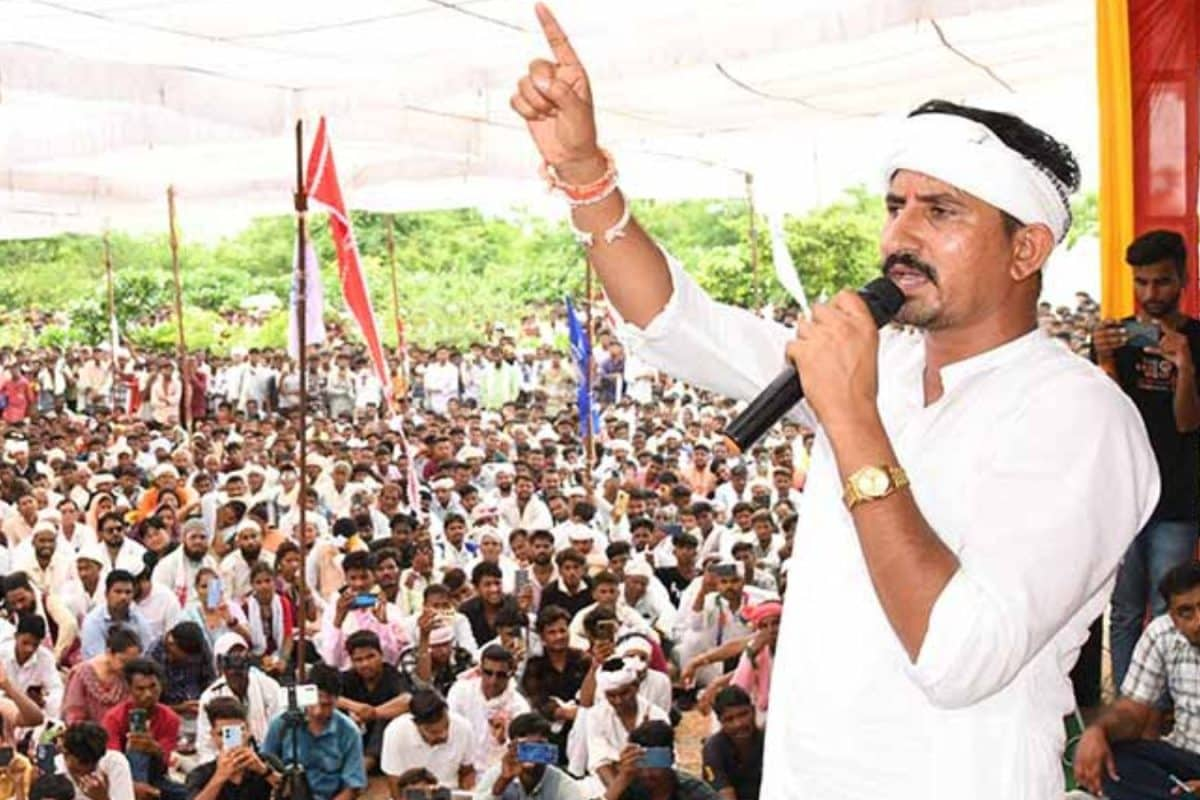
The political landscape of Rajasthan has experienced an unprecedented seismic shift following the conclusion of the latest rural local body elections. Defying all conventional predictions made by political pundits and established strategists, a relatively new regional political entity has disrupted the traditional duopoly of major national parties. This remarkable electoral breakthrough occurred precisely 1167 days after the formal establishment of the party, signaling a massive transformation in rural voter behavior and aspirations.
Historically, rural governance and grassroots politics in Rajasthan have oscillated strictly between the primary national political formations. The emergence of 'BAP' as a potent political force represents a fundamental departure from this decades-old pattern, particularly within the tribal-dominated territories of the state. Political analysts note that the party's strategic outreach and deep connection with rural communities laid the groundwork for this monumental electoral success within a remarkably short span of time.
Delving into the specifics of the electoral outcome, the sheer magnitude of the victory becomes strikingly apparent through the verified statistics. The party successfully secured a staggering 276 Panchayat Samiti seats and an impressive 22 Zilla Parishad seats across the affected rural constituencies. These quantitative achievements highlight the widespread organizational penetration and grassroots support that the formation has managed to cultivate over the past 1167 days.
Local stakeholders, community elders, and grassroots workers have expressed profound astonishment at the rapid ascendancy of the party. While national party leaders are currently engaged in intense introspection following their unexpected electoral setbacks, grassroots representatives emphasize that this victory reflects a genuine desire for localized leadership. Citizens across various villages have voiced their expectations for transparent administration and accelerated regional development under the newly elected representatives.
The ripples of this political upheaval extend far beyond the immediate rural pockets, generating significant discussions within regional administrative headquarters and political circles in Kotputli-Behror and surrounding districts. Observers are evaluating how this shift in the rural power balance will influence future legislative dynamics and local economic policies. The empowerment of a new regional platform has altered the bargaining power of marginalized communities within the broader political framework of Rajasthan.
In response to the evolving political dynamics, local administrative machinery and election authorities have initiated the formal procedures required for the constitution of local governing bodies. Statutory oversight and administrative protocols are currently being strictly enforced to ensure smooth transitions of power in the victorious Panchayat Samitis and Zilla Parishads. Officials are coordinating with elected members to facilitate orientation programs regarding administrative responsibilities and rural development schemes.
Looking ahead, the political future of the region hinges on the ability of the newly empowered representatives to deliver on their electoral promises during their tenure. With the completion of 1167 days marking their official entry into governance, public expectations remain exceptionally high regarding accountability, infrastructure enhancement, and social welfare execution. Political observers anticipate that this unprecedented electoral model will serve as a significant reference point for forthcoming electoral battles throughout the state.
