
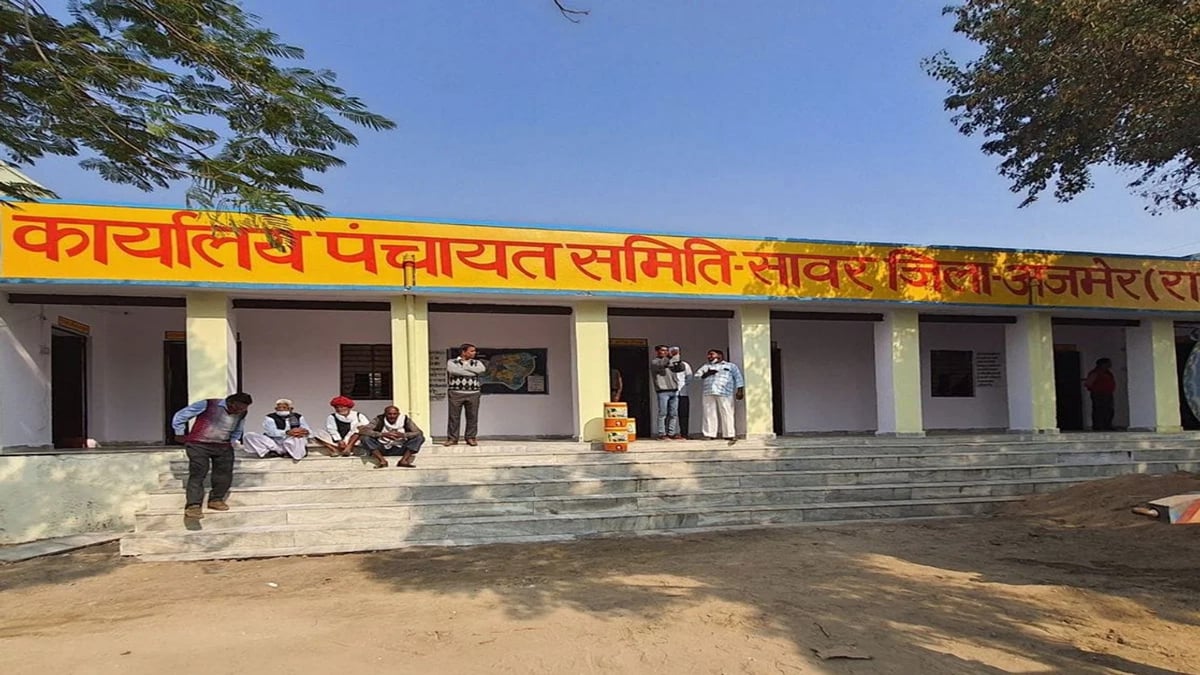
In a stunning political development within the local governance landscape, the Indian National Congress has completely dominated the Sawar Panchayat Committee elections. Out of the total 15 wards contested, the Congress party has successfully secured 13 seats, establishing a formidable and undisputed majority in the local body. This electoral outcome marks a significant high point for the party workers and leadership who campaigned extensively across the rural constituencies to connect with the local populace.
The electoral battleground in Sawar has historically witnessed intense contestation between the primary political heavyweights, namely the Bharatiya Janata Party and the Congress. While the region generally experiences polarized voting patterns, the sheer magnitude of the current mandate has surprised political analysts and observers alike. The campaign period was characterized by rigorous grassroots mobilization, door-to-door outreach, and focused debates concerning local rural development, infrastructural needs, and agricultural welfare in the region.
Delving into the precise statistical breakdown of the election results, the total tally of 15 contested seats was decisively skewed. The Congress party captured 13 seats through a combination of strategic candidate selection and strong voter turnout. Meanwhile, the Bharatiya Janata Party faced a historic low in this specific administrative block, managing to secure victory in only a single ward. Adding a unique dimension to the local representation, an independent candidate successfully claimed the remaining single ward, highlighting instances of localized voter preference independent of major party lines.
Local stakeholders, community leaders, and party functionaries have expressed varied reactions following the formal declaration of the results. Supporters of the winning party celebrated the outcome with processions and public gatherings, emphasizing that the mandate reflects public faith in their local developmental vision. Conversely, internal reviews and assessments within the opposition camp have reportedly commenced to analyze the underlying factors that contributed to such a severe electoral reversal in the Sawar block.
The ramifications of these local body election results extend beyond the immediate boundaries of the Sawar Panchayat Committee, influencing the broader political dynamics across Kekri and Sarwar. While the BJP maintains majorities in surrounding administrative areas, this isolated yet resounding defeat in Sawar introduces a complex narrative into regional politics. Observers note that local governance outcomes often serve as barometers for grassroots sentiment, which can subsequently influence future political strategies and administrative planning in the district.
Following the conclusion of the electoral process and the official tabulation of votes, administrative machinery and local election authorities have initiated the formal procedures for constituting the new committee. Standard protocols regarding the swearing-in of the newly elected members, verification of credentials, and scheduling of the inaugural council meetings are currently underway. District officials are ensuring a smooth and transparent transition of administrative responsibilities to the newly formed local leadership.
Looking ahead, the newly elected representatives face significant expectations from the residents of Sawar regarding civic improvements, rural infrastructure development, and transparent local governance. The massive majority enjoyed by the Congress party brings both legislative strength and accountability in fulfilling pre-election commitments. As the administrative setup transitions to the newly constituted committee, the citizens and local businesses will closely monitor the execution of grassroots development initiatives over the coming tenure.
