
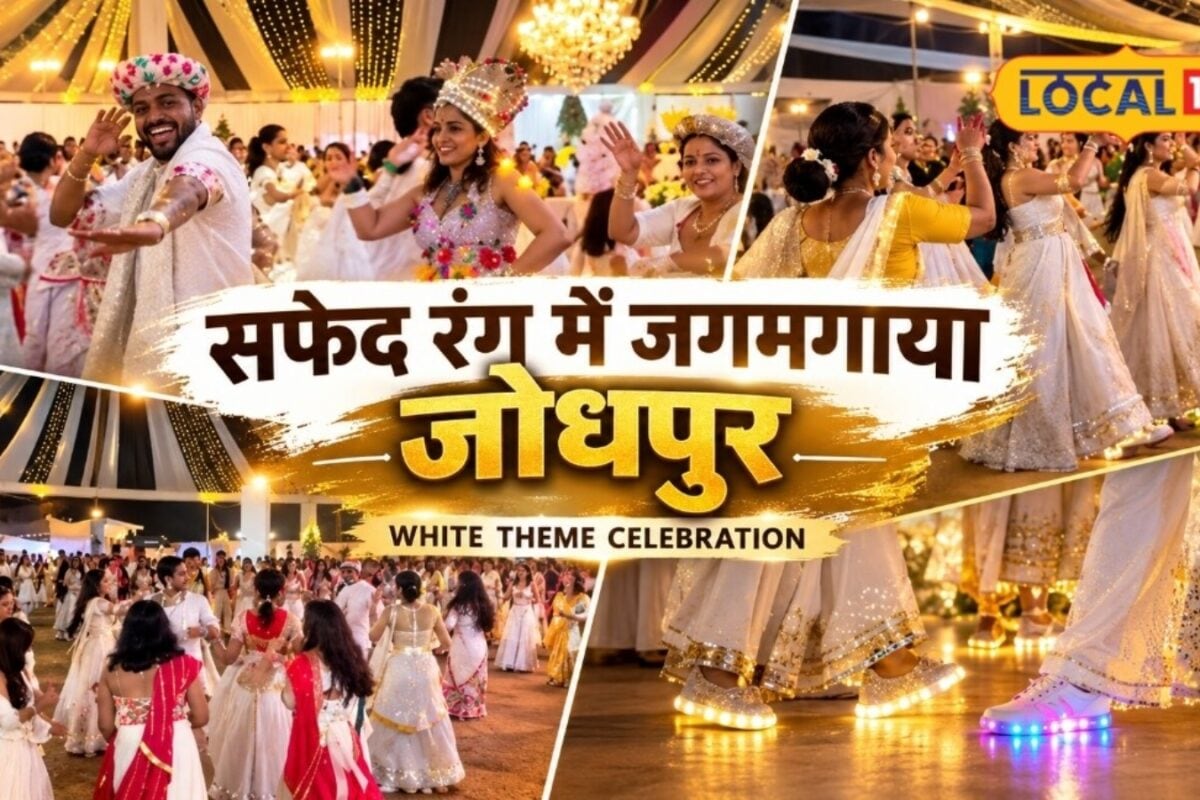
In an unprecedented cultural celebration that has left a lasting impression across the region, the city of Jodhpur recently hosted its very first White Raas Garba Festival. This landmark event broke away from traditional multicolored festive attires, introducing a unique monochromatic theme that immediately caught the public eye. Participants from various walks of life gathered in large numbers to partake in the festivities, transforming the venue into a glowing expanse of pristine white illumination.
Festivals and cultural gatherings in Rajasthan have historically celebrated vibrant colors, intricate embroideries, and bright traditional hues. However, the conceptualization of the White Raas Garba Festival marked a bold departure from conventional norms, introducing a refreshing aesthetic to the traditional dance celebrations. This innovative approach aimed to symbolize purity, unity, and a modern outlook while strictly maintaining the rich cultural essence of the traditional Garba dance form.
The ground reality of the event reflected meticulous planning and enthusiastic participation from citizens who embraced the white dress code with immense zeal. Beyond the customary traditional garments, the event featured fascinating modern elements such as light-emitting shoes worn by several attendees. These illuminated footwear items added a dynamic, futuristic visual dimension to the rhythmic circling of the traditional dance, creating a striking contrast against the sea of white outfits.
Local community members, organizers, and cultural enthusiasts expressed immense satisfaction regarding the overwhelming public response to the festival. Observers noted that such innovative thematic gatherings not only rejuvenate traditional art forms but also provide younger generations with exciting ways to connect with their cultural roots. The incorporation of subtle social messages through the medium of dance and collective gathering further elevated the significance of the celebration.
While the immediate celebrations were centered in Jodhpur, the resonance of such creative cultural initiatives extends toward neighboring districts and regions, including Kotputli-Behror. Cultural organizers and local community leaders in various parts of Rajasthan are keenly observing the success of this monochromatic festival, evaluating its potential application in future regional festivities to boost community bonding and tourism.
Administrative and local bodies ensured that the grand gathering proceeded smoothly, maintaining necessary logistical arrangements and public safety protocols. The successful execution of a large-scale thematic event of this magnitude underscores the capability of local organizers to manage innovative cultural spectacles safely and efficiently, drawing praise from attendees and civic observers alike.
Looking forward, the resounding success of the maiden White Raas Garba Festival has set a new benchmark for future cultural celebrations in Jodhpur and beyond. Organizers and participants are already expressing keen interest in making this an annual tradition, anticipating even greater participation and more creative thematic elements in the upcoming editions to continually enrich the region's cultural landscape.
