
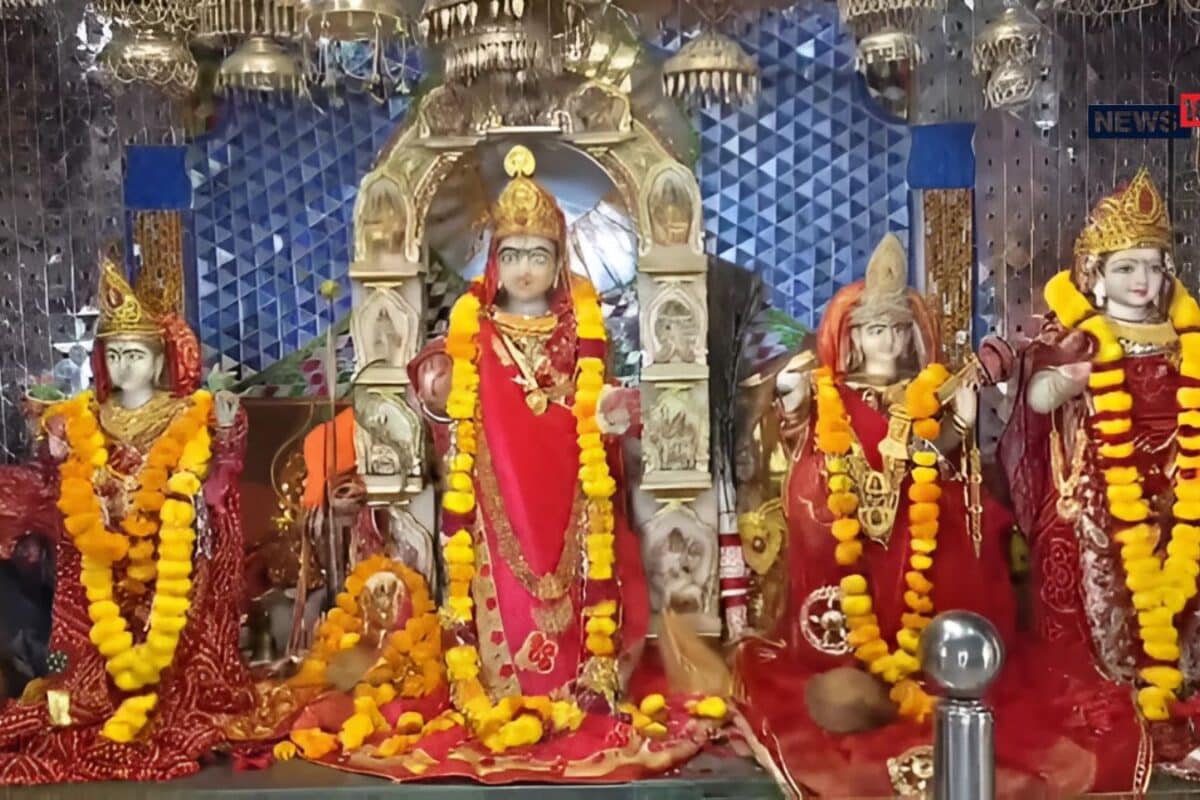
Nestled within the picturesque and serene landscapes of the Pratapgarh region, the Devak Mata Temple stands as a profound center of faith, architectural heritage, and extraordinary cultural traditions. This ancient shrine has consistently drawn significant attention from historians, anthropologists, and spiritual seekers alike due to its deeply entrenched ritualistic practices. Pilgrims from far and wide traverse difficult terrains to reach the temple grounds, seeking divine intervention for complex personal and legal tribulations that defy ordinary resolution.
The foundational history of the temple is deeply intertwined with regional folklore dating back to the princely era, specifically linked to an infamous historical figure known as the bandit Prithvi Rana. According to local historical accounts and oral traditions, Prithvi Rana was incarcerated during the erstwhile princely state period and desperately sought liberation from his confinement. He made a solemn vow to the deity, promising that upon his successful release from prison, he would offer heavy iron chains and handcuffs at the sacred site. Following his eventual freedom, the fulfillment of this vow established a lasting precedent that transformed the temple's ritual landscape permanently.
In contemporary times, this centuries-old tradition has evolved to accommodate individuals facing severe legal battles and judicial entanglements. Devotees who find themselves entangled in prolonged court cases, false accusations, or imprisonment routinely visit the Devak Mata Temple to offer miniature or actual iron handcuffs and chains to the massive trident erected within the temple premises. The sheer volume of these iron artifacts adorning the trident serves as a tangible testament to the immense faith reposed by the public in the divine dispensation of justice offered by the goddess.
Recognizing the changing social consciousness and the imperative for progressive reform, the temple committee has instituted significant institutional changes over the recent years. In a decisive move toward ethical modernization, the temple administration officially and permanently banned animal sacrifice within the sacred precincts. This progressive measure received widespread acclaim from local communities, animal welfare advocates, and religious purists alike, marking a monumental shift in the spiritual practices observed at the shrine.
With the abolition of archaic practices, the pattern of offerings made by visiting devotees has undergone a complete transformation. Today, pilgrims express their devotion through peaceful and traditional means, offering sacred items such as glass bangles, fresh coconuts, and sacred garments to the deity. This transition has not only elevated the spiritual ambiance of the temple but has also fostered a more inclusive, compassionate, and civilized environment for the thousands of families visiting the sacred destination.
The geographical setting of the Devak Mata Temple adds another layer of profound attraction, as it is enveloped by rich natural beauty and dense foliage that captivates every traveler. During the auspicious festival of Navratri, the temple experiences an unprecedented surge in footfall, with devotees arriving in massive numbers to offer special prayers and participate in multi-day religious observances. Local administrative bodies and law enforcement agencies work in close coordination with the temple committee to manage the immense crowd, ensure smooth traffic regulation, and maintain public safety throughout the festive season.
Looking ahead, the temple committee and regional authorities are proactively planning enhanced infrastructure development to accommodate the steadily growing influx of pilgrims throughout the year. Proposals include better pedestrian pathways, improved resting facilities, and organized management of the ritual offerings to preserve the sanctity and historical heritage of the site. As the Devak Mata Temple continues to bridge the gap between ancient folklore and modern spiritual devotion, it remains an enduring symbol of faith, resilience, and progressive cultural evolution in Pratapgarh.
