
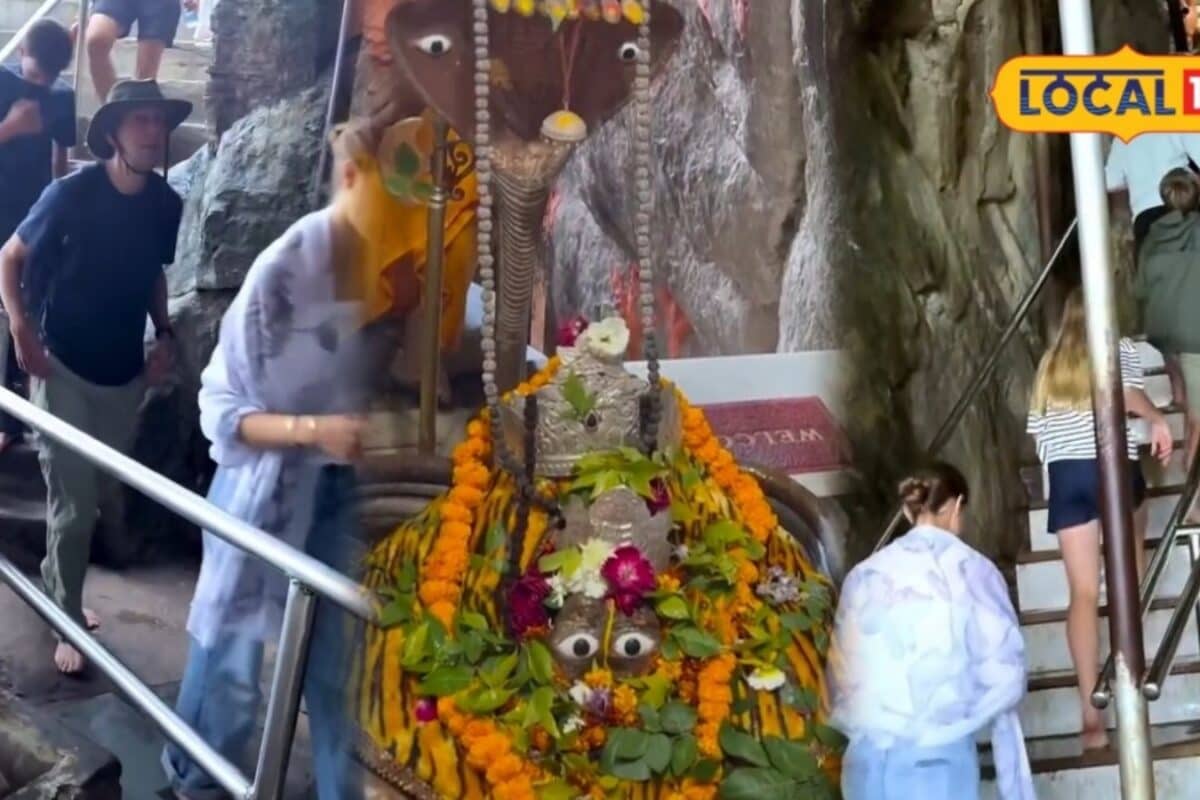
In an extraordinary display of cultural appreciation and spiritual devotion, foreign tourists visiting the historic Parshuram Mahadev Temple in Pali district have been documented strictly adhering to traditional Hindu rituals while worshipping Lord Shiva. The Pali Hindi News bureau has highlighted this unique cultural convergence, noting that international visitors are taking keen interest in understanding and practicing indigenous religious customs. This profound engagement underscores the universal appeal of ancient spiritual traditions preserved within the sacred shrines of Rajasthan.
Nestled deep within the rugged and winding terrain of the Aravalli hills, the Parshuram Mahadev Temple holds immense historical and mythological significance. Widely revered by devotees across the nation, this sacred cave shrine is affectionately and popularly known as the Amarnath of Rajasthan. The geographical layout, characterized by cavernous mountain formations and challenging trekking paths reminiscent of high-altitude Himalayan pilgrimages, enhances its aura of mysticism, drawing seekers, historians, and travelers from far and wide.
While comprehensive statistical details regarding tourist footfall fluctuate across seasons, reports indicate a steady influx of international travelers making the arduous trek through the Aravalli hills to reach the sanctuary. Logistics and travel arrangements to the temple require careful navigation through hilly terrain, yet these challenges fail to deter foreign guests who eagerly participate in daily ritualistic practices. The visitors meticulously follow prescribed temple norms, demonstrating deep respect for the spiritual sanctity of the holy cave site.
Local stakeholders, temple priests, and regional traders have expressed immense joy and hospitality toward the foreign guests. Observers note that such cross-cultural interactions foster mutual respect and global appreciation for Indian heritage. Community elders and temple authorities have extended wholehearted support to international visitors, guiding them through traditional worship procedures, offering insights into Hindu mythology, and ensuring that the sanctity of the shrine is maintained at all times.
The cultural resonance of events at the Parshuram Mahadev Temple extends far beyond Pali district, leaving a positive footprint on regional tourism dynamics across Rajasthan, including districts like Kotputli-Behror. As stories of foreign tourists embracing Hindu traditions circulate through media channels, interest in rural and spiritual tourism is significantly amplified. Local economic ecosystems, encompassing small-scale handicraft vendors, local guides, and regional transporters, stand to benefit from the sustained interest of international travelers exploring sacred geography.
Administrative bodies and regional tourism departments continuously review infrastructure and safety measures around the Aravalli hill shrines to accommodate the growing number of domestic and international pilgrims. Authorities maintain standard protocols regarding environmental preservation and visitor management to protect the fragile ecosystem of the cave temple. These administrative interventions ensure that historical sites like the Parshuram Mahadev Temple remain accessible while safeguarding their structural and spiritual integrity.
Looking ahead, community leaders and tourism promoters anticipate an upward trend in cultural tourism as more international travelers seek authentic spiritual experiences in Rajasthan. The ongoing participation of foreign nationals in rituals dedicated to Lord Shiva signals a growing bridge between diverse global cultures and ancient Indian traditions. Observers remain optimistic that continued promotion of such heritage sites will bolster international goodwill and highlight the timeless appeal of the Amarnath of Rajasthan for generations to come.
