
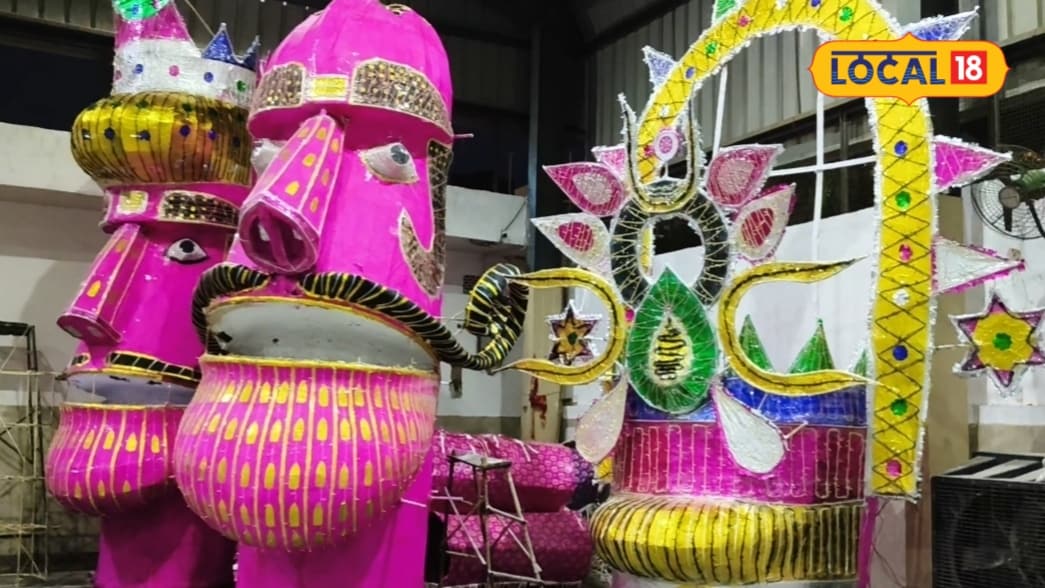
In the vibrant and culturally rich landscape of Jaipur, a remarkable tradition highlighting communal harmony is once again capturing public attention as preparations for the 2026 Dussehra festivities gain momentum. Situated in the Adarsh Nagar locality, a dedicated Muslim family originally hailing from Mathura is deeply immersed in crafting towering effigies of Ravana, a practice they have meticulously preserved across five generations. This enduring legacy not only reflects exceptional craftsmanship passed down through families but also underscores the deep-rooted cultural synthesis and shared heritage defining the region.
The historical context of this unique tradition traces back decades, establishing a profound bridge of cultural integration through artistic devotion. Originating from Mathura, the family relocated their generational craft to Jaipur, where their mastery in constructing massive effigies for the festival of Vijayadashami gained widespread acclaim. Over the span of five generations, the descendants have maintained absolute dedication to this craft, treating the seasonal construction not merely as a commercial endeavor but as a sacred cultural duty that transcends communal boundaries and fosters deep societal respect.
Delving into the ground realities and logistical complexities of the 2026 celebrations, the scale of the current project is both impressive and demanding. A dedicated team of twenty-five skilled artisans has been deployed to ensure structural integrity and aesthetic grandeur, collectively working to construct a magnificent 120-foot tall Ravana effigy. For this monumental undertaking, the financial remuneration has been fixed at one lakh rupees. The intricate framework requires meticulous planning, precise architectural calculations, and relentless physical labor to withstand weather conditions and ensure a safe, spectacular public display.
Beyond the technical specifications and monetary aspects, the observance is defined by profound personal discipline and spiritual reverence demonstrated by the artisans. Throughout the period of crafting the effigy, the family members strictly adhere to a pure vegetarian diet, completely abstaining from onion, garlic, and non-vegetarian food. This rigorous adherence to sattvic dietary norms exemplifies a deep sense of professional integrity and personal respect for the religious sentiments associated with the Hindu festival, transforming the workshop into a sanctuary of shared cultural harmony.
The resonance of this inspiring tradition extends far beyond the immediate neighborhood of Adarsh Nagar, deeply influencing the social fabric of the broader region, including surrounding districts like Kotputli-Behror. Communities across Rajasthan view this exemplary cooperative spirit as a beacon of unity, demonstrating how traditional artisan communities contribute to local economic vitality while reinforcing social cohesion. The collaborative efforts involved in preparing for such major cultural events stimulate local trade, support allied craftsmen, and strengthen communal bonds at the grassroots level.
Administrative oversight and local governance structures play a supportive role in facilitating these large-scale public celebrations. Local authorities in Jaipur coordinate closely with organizers and artisan families to ensure adequate safety protocols, crowd management, and logistical support during the installation of the towering effigies. Municipal officials recognize the immense cultural value and tourism significance of such traditional craftsmanship, offering necessary permissions and infrastructural assistance to guarantee public safety without hindering the creative process.
As the timeline for the 2026 Dussehra celebrations advances, public expectations and excitement continue to mount across the city. The completion of the 120-foot effigy will mark the culmination of weeks of dedicated labor, strict dietary observances, and artistic excellence by the Mathura-born family and their team of twenty-five artisans. This enduring tradition stands firmly as a timeless symbol of unity, proving that shared cultural expressions possess the remarkable power to bridge communities and inspire generations to come.
