
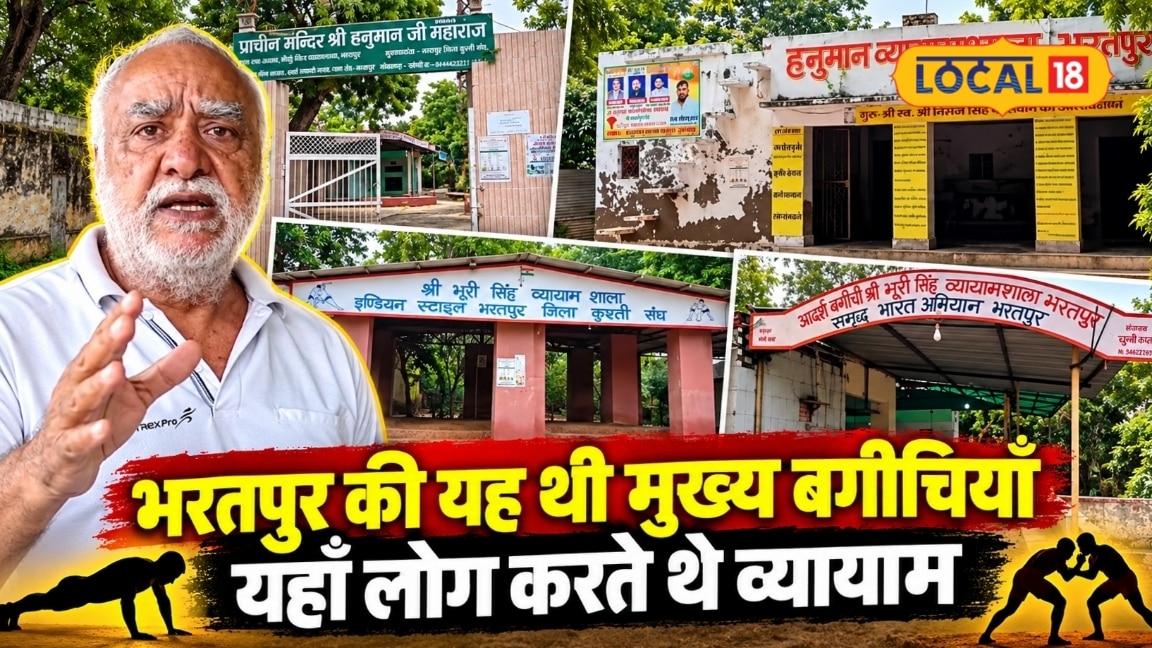
In the heart of Bharatpur, the historic bagichiyan which once served as vibrant focal points for traditional wrestling, rigorous physical exercises, and active morning walks are currently facing an unprecedented crisis of identity and survival. These locations, historically known for echoing the powerful calls of wrestlers and witnessing bustling community life, are now descending into severe neglect and obscurity across the region.
Tracing the historical roots of these sites reveals a rich legacy of physical culture and community gathering. Generations of youth utilized these traditional akharas and garden spaces to hone their athletic prowess, build physical resilience, and foster strong social bonds. The morning routines of residents were inextricably linked to the lively atmosphere of these cultural and recreational enclosures.
Despite their immense historical value, the current ground reality depicts a stark contrast of decay and abandonment. The infrastructure that once supported intense wrestling training and communal wellness activities now suffers from severe structural degradation. Without proper financial backing, logistical support, and dedicated upkeep, these historic parcels are rapidly deteriorating into neglected urban ruins.
Local stakeholders, community elders, and heritage enthusiasts have repeatedly voiced profound concern over the fading glory of these historical landmarks. According to local perspectives, the combination of administrative apathy and the rapid shift toward modern urban lifestyles has severely disconnected the younger generation from their invaluable physical and cultural heritage.
The cultural and social ramifications of this decline extend far beyond the immediate neighborhoods of Bharatpur, impacting the broader regional identity. These traditional spaces were vital for nurturing community health, discipline, and local sportsmanship, elements that are increasingly sidelined in contemporary developmental planning and municipal priorities.
Addressing this alarming deterioration demands immediate and comprehensive administrative intervention from local authorities and heritage conservation departments. Establishing structural oversight, initiating restoration projects, and formulating dedicated preservation policies are critical steps required to halt further degradation and reclaim the lost glory of these cultural assets.
Looking ahead, the successful revival of Bharatpur's historic bagichiyan depends on a collaborative framework involving municipal bodies, community leaders, and heritage preservationists. Implementing structured timelines for restoration and raising public awareness will be indispensable in ensuring that future generations inherit and appreciate these foundational pillars of local history.
