
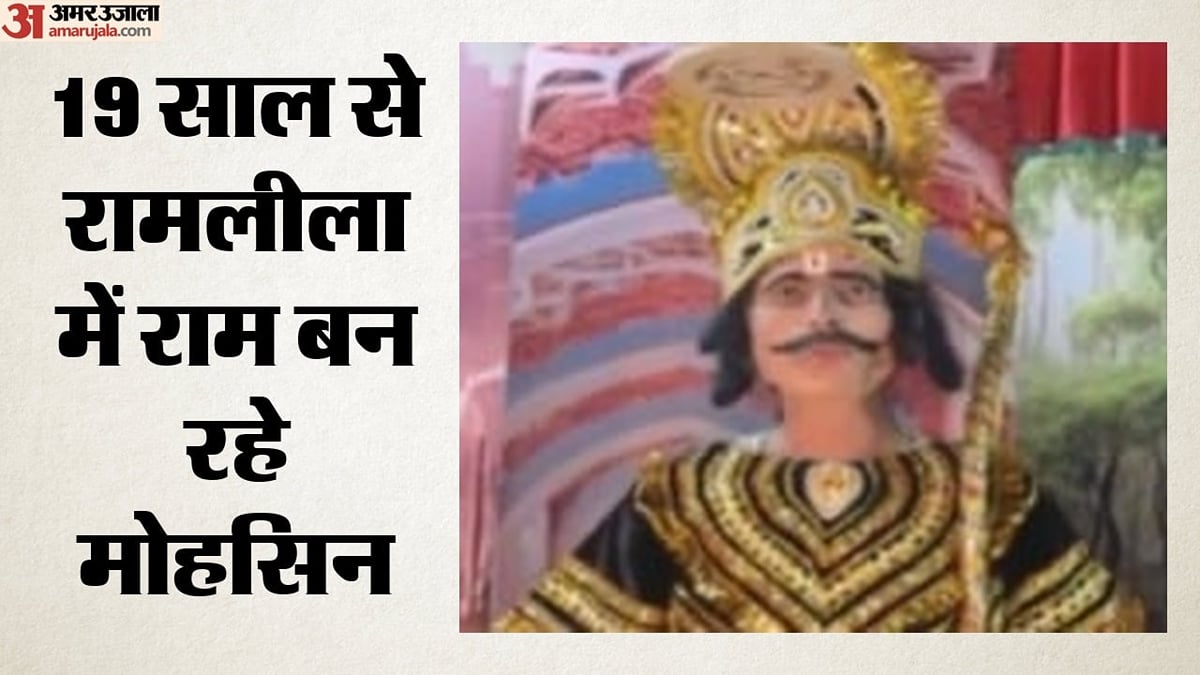
In the culturally vibrant district of Bikaner, Rajasthan, a profound narrative of communal harmony has captured the hearts and minds of citizens across the state. For nearly two decades, an exceptional Muslim artist named Mohsin Khan has continuously stepped onto the dramatic stage to portray the sacred role of Lord Rama in the annual Ramleela celebrations. This extraordinary cultural commitment not only bridges perceived communal divides but also serves as a shining beacon of secular ethos, mutual tolerance, and artistic dedication within the local community.
Tracing the historical roots of this unique tradition reveals a deep immersion into the traditional arts of the region. The staging of Ramleela has long been an integral part of the autumnal festive calendar in Bikaner, drawing massive crowds of devotees, art enthusiasts, and families. Over the past 19 years, Mohsin Khan has transitioned from a passionate local performer into a central pillar of these theatrical productions, seamlessly embodying the virtues, grace, and righteousness traditionally associated with the revered epic character.
Examining the ground realities and logistical frameworks surrounding these cultural presentations, the sheer scale of the production demands intense dedication. Beyond his demanding physical and emotional portrayal of Lord Rama, Mohsin Khan shoulders the comprehensive administrative and creative responsibilities as the director for the esteemed Netaji Subhash Kala Mandal. Coordinating rehearsals, managing stagecraft, and directing fellow cast members for 19 continuous years underscores his unmatched commitment to theatrical excellence and cultural preservation.
Local stakeholders, community elders, and fellow artists frequently express profound admiration for Khan's unwavering dedication. Observers within Bikaner point out that the stage recognizes no religious boundaries, honoring only talent, devotion, and artistic sincerity. The collaborative environment nurtured under the banner of the Netaji Subhash Kala Mandal exemplifies how traditional arts can unite diverse communities under a shared umbrella of cultural heritage and mutual respect.
Reflecting on the broader regional impact, narratives of communal integration such as this one resonate deeply throughout the expansive administrative districts of Rajasthan. While institutional and bureaucratic structures often grapple with social divisions, grassroots cultural endeavors led by dedicated individuals like Mohsin Khan offer an inspiring blueprint for peaceful coexistence and shared civic pride that transcends traditional boundaries.
Administrative observers and local cultural bodies have frequently lauded such secular artistic endeavors, recognizing them as vital components of social cohesion. Although formal statutory oversight is rarely required for voluntary cultural associations, local municipal and cultural departments extend necessary logistical permissions and logistical support to ensure that traditional events like the Netaji Subhash Kala Mandal Ramleela proceed smoothly and securely for the large audiences in attendance.
Looking toward the future, the enduring legacy established by Mohsin Khan over the past 19 years sets a high benchmark for upcoming generations of artists in Bikaner. As preparations for future festive seasons continually evolve, the community anticipates the continuation of these cherished theatrical traditions. This steadfast cultural bridge ensures that the message of righteousness, unity, and artistic devotion will continue to flourish for years to come.
