
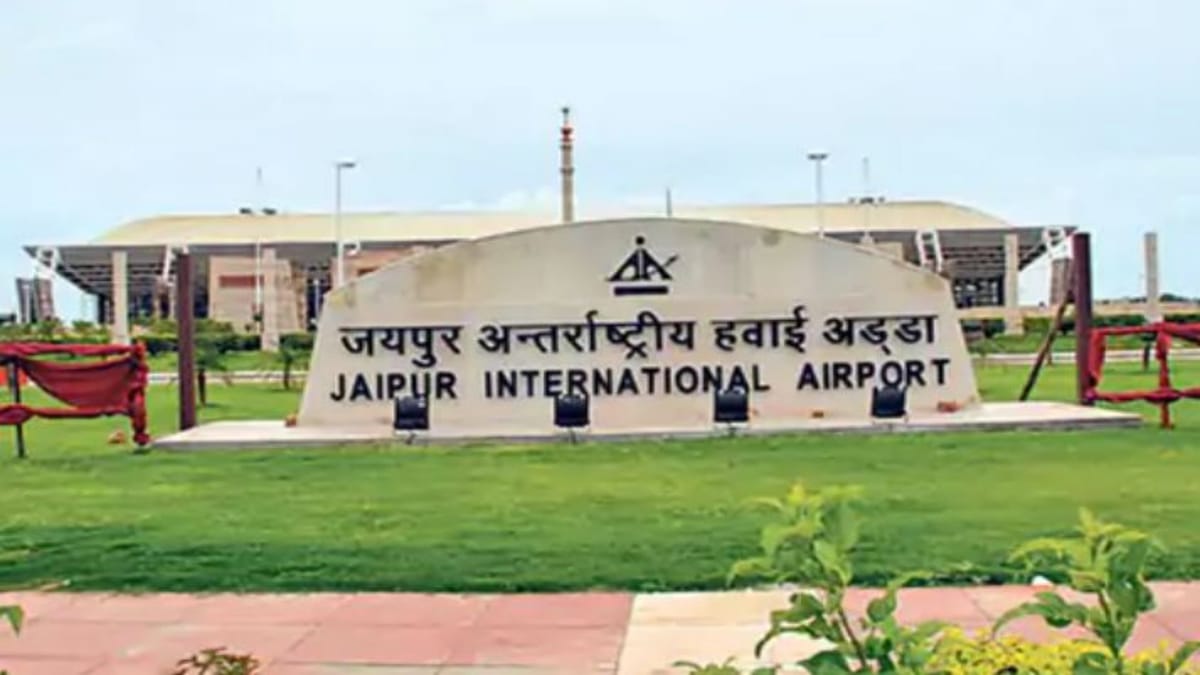
The aviation landscape of Rajasthan has witnessed a significant administrative update as the Jaipur Airport formally implemented its comprehensive winter schedule. This seasonal transition marks a crucial period for regional and national connectivity, bringing meticulous planning to flight movements during the winter months. Authorities at the airport have designed the new timetable to accommodate changing weather patterns and passenger demands, ensuring that air travel remains reliable and efficient.
Historically, the transition from summer to winter schedules is a standard operational procedure mandated by aviation authorities globally to adjust to shifting daylight hours and atmospheric conditions. Over the years, Jaipur Airport has grown exponentially in passenger volume, transforming from a domestic hub into a bustling international gateway. The formulation of this winter schedule is rooted in extensive coordination between airline operators, airport management, and civil aviation regulators to optimize slots and enhance connectivity.
Under the newly enacted schedule, approximately 72 flight operations are officially proposed, establishing a robust network that links Jaipur directly with vital metropolitan and commercial hubs. Passengers traveling through the airport will now benefit from structured itineraries connecting them seamlessly to prominent destinations including Delhi, Mumbai, Bengaluru, and Jodhpur. These specific numerical targets reflect the meticulous logistical planning undertaken to cater to the surging demand from corporate travelers, tourists, and families during the peak winter tourism season.
Key stakeholders, including travel trade associations, tourism boards, and frequent flyers, have expressed positive expectations regarding the newly minted timetable. Representatives from the tourism sector note that improved connectivity to economic powerhouses like Mumbai and Bengaluru will significantly bolster regional business investments and hospitality revenues. Furthermore, commercial enterprises and local traders anticipate a surge in economic vitality as seamless transit encourages greater tourist influx into Rajasthan.
The impact of this enhanced connectivity extends far beyond the immediate municipal boundaries of the state capital, directly influencing neighboring administrative districts such as Kotputli-Behror. Residents, local entrepreneurs, and officials from Kotputli rely heavily on the robust infrastructure of Jaipur Airport for national and international transit. With streamlined flight schedules to major domestic centers, professionals and students from the Kotputli region will find it considerably easier to coordinate their travel logistics.
Administrative oversight and regulatory compliance remain paramount as the winter schedule takes full effect across the terminals. Airport management and security agencies have instituted rigorous protocols to handle the projected increase in passenger footfall smoothly. Special attention is being directed toward passenger amenities, terminal congestion management, and coordination with ground transport providers to ensure a seamless end-to-end travel experience for every commuter.
Looking ahead, the calendar of operations holds a major international milestone with the announcement of a direct flight to Bangkok scheduled to commence on November 17. This upcoming international connection is expected to open new avenues for leisure tourism, trade partnerships, and cultural exchanges between Rajasthan and international markets. Aviation authorities and tourism promoters remain optimistic that these structured flight schedules will successfully sustain high operational standards throughout the winter season.
