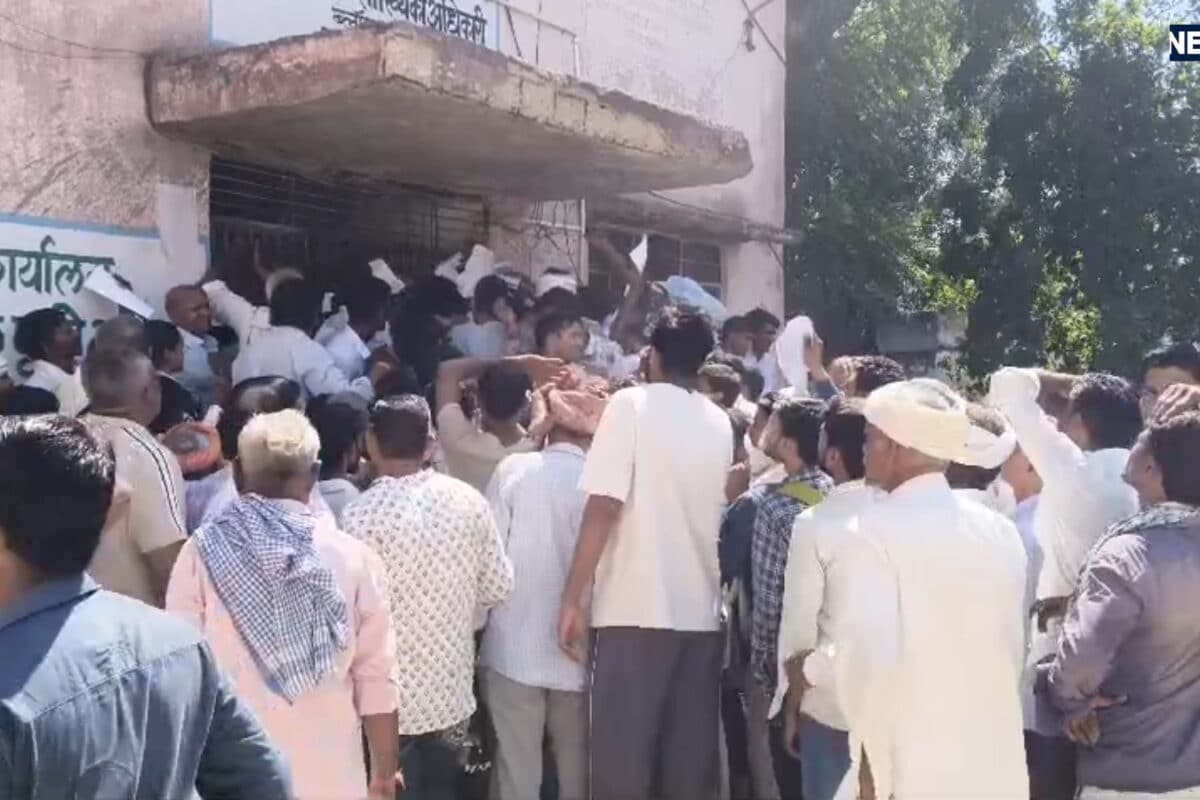
On Tuesday, an intense agrarian crisis manifested in Dausa district as hundreds of desperate farmers gathered outside the purchase and sale cooperative society in Bandikui to secure vital DAP fertilizer. The overwhelming rush occurred following the much-anticipated arrival of a consignment containing 840 fertilizer bags, which reached the facility after a prolonged hiatus of nearly one month. For weeks, agricultural operations across the region had stalled due to severe supply constraints, making this newly arrived stock a critical lifeline for sowing activities.
The root of this acute crisis traces back to systemic supply chain bottlenecks and delayed distribution cycles that have plagued rural farming cooperatives throughout the region for several weeks. Farmers dependent on timely fertilization for their seasonal crops found themselves entirely stranded as local inventories depleted completely. This prolonged scarcity fostered deep anxiety within the agricultural community, transforming ordinary distribution days into high-tension events where every single bag of fertilizer carried immense economic value for household survival.
As dawn broke on Tuesday, the ground reality at the purchase and sale cooperative society reflected extreme chaos and logistical disarray. The official distribution mechanism required farmers to stand in separate, meandering queues first for land record stamp verification (jamabandi par mohar) and subsequently for acquiring official tokens. This bureaucratic bifurcation severely exacerbated the physical strain on elderly and weary cultivators who had traveled from distant villages, turning the simple act of purchasing essential farming inputs into an exhausting endurance test.
Amidst the grueling hours spent waiting under harsh conditions, the desperate struggle to secure fertilizer took a severe toll on human well-being. Reports from the ground confirmed that the deteriorating physical condition of two farmers required immediate attention after they suddenly fell ill from exhaustion and anxiety. These distressing incidents underscored the profound vulnerability of rural cultivators who are routinely forced to endure harrowing conditions just to acquire basic agricultural commodities necessary for crop cultivation.
The shockwaves of this distribution breakdown extend far beyond the immediate vicinity of Bandikui, resonating deeply across the entire regional agrarian economy. Neighboring areas, including Kotputli-Behror, share similar anxieties as farming families watch their operational windows narrow rapidly due to administrative delays and erratic supply arrivals. The systemic failure to ensure smooth, dignified distribution mechanisms directly threatens rural livelihoods, community stability, and the economic security of thousands of dependent households.
In response to the mounting chaos, local administrative authorities and cooperative society officials faced intense public scrutiny regarding their preparedness and crowd management protocols. Observers and community leaders pointed out that distributing a meager consignment of 840 bags to an overwhelming multitude was bound to trigger severe logistical failures unless preemptive token systems and adequate counters were established. The reliance on fragmented verification procedures further exposed glaring gaps in operational planning during high-demand agricultural seasons.
Looking ahead, agricultural experts and local stakeholders emphasize the urgent need for a complete overhaul of fertilizer distribution networks to prevent future humanitarian and administrative crises. Ensuring transparent schedules, adequate stock allotments, and streamlined verification processes will be paramount in restoring faith among distressed farmers. As the agricultural community prepares for upcoming seasonal demands, robust administrative interventions remain indispensable to guarantee dignity and equitable access for every cultivator.