
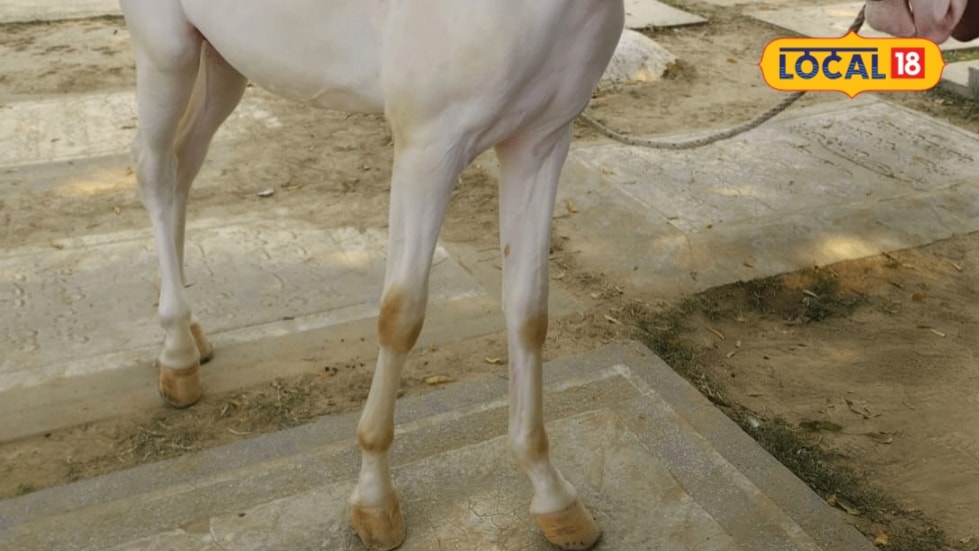
Equine health management requires meticulous attention to the condition of a horse's hooves, as minor neglect can lead to severe consequences for the animal's mobility and general health. Recent advisory frameworks emphasize that structural integrity in hooves is paramount for an animal's physical capability and daily performance. Any oversight in monitoring these vital anatomical structures can escalate minor issues into debilitating physical conditions.
Historically, equine care has evolved to recognize that hooves serve as the foundational support system for the entire skeletal and muscular anatomy of the horse. The origin of many chronic lameness issues can be traced back to unaddressed hoof anomalies, environmental moisture exposure, and inadequate hoof trimming routines practiced over extended periods. Maintaining optimal hoof health demands a comprehensive understanding of natural wear patterns and environmental stressors.
On the ground, daily maintenance challenges include identifying early warning signs such as hoof wall fissures, localized heat, foul-smelling discharges, and abnormal horn tissue growth. While specific quantitative metrics fluctuate based on individual animal husbandry practices, veterinary data consistently demonstrates that preventive maintenance drastically reduces the incidence of severe structural degradation and associated economic burdens for animal owners.
Stakeholders in the equine community, including experienced handlers, breeders, and veterinary practitioners, continually stress the importance of proactive observation. According to animal husbandry experts, regular inspection of the sole, frog, and wall of the hoof allows caretakers to detect anomalies before they require invasive surgical or medical interventions. Direct feedback from the field highlights that community awareness remains a vital defense against preventable animal suffering.
At the regional level, particularly within agricultural and rural communities where working and sport equines are prevalent, maintaining optimal livestock health directly influences local livelihoods and transportation capabilities. Ensuring that animal owners possess accurate knowledge regarding hoof pathology helps sustain healthy equine populations across diverse operational sectors, preventing localized health issues from escalating into broader systemic challenges.
Administrative oversight and veterinary advisory boards actively promote educational outreach programs to guide animal owners on proper hygiene, nutrition, and shoeing techniques. Statutory guidelines encourage regular reporting of abnormal gait patterns to certified practitioners, ensuring that standardized veterinary protocols are applied swiftly when complex infections or deep-seated injuries manifest.
Looking forward, the establishment of structured monitoring schedules and increased accessibility to professional veterinary consultations will define the success of equine health initiatives. Public expectations center around enhanced dissemination of preventive care knowledge, ensuring that every animal handler remains fully equipped to identify, address, and prevent severe hoof-related complications in the future.