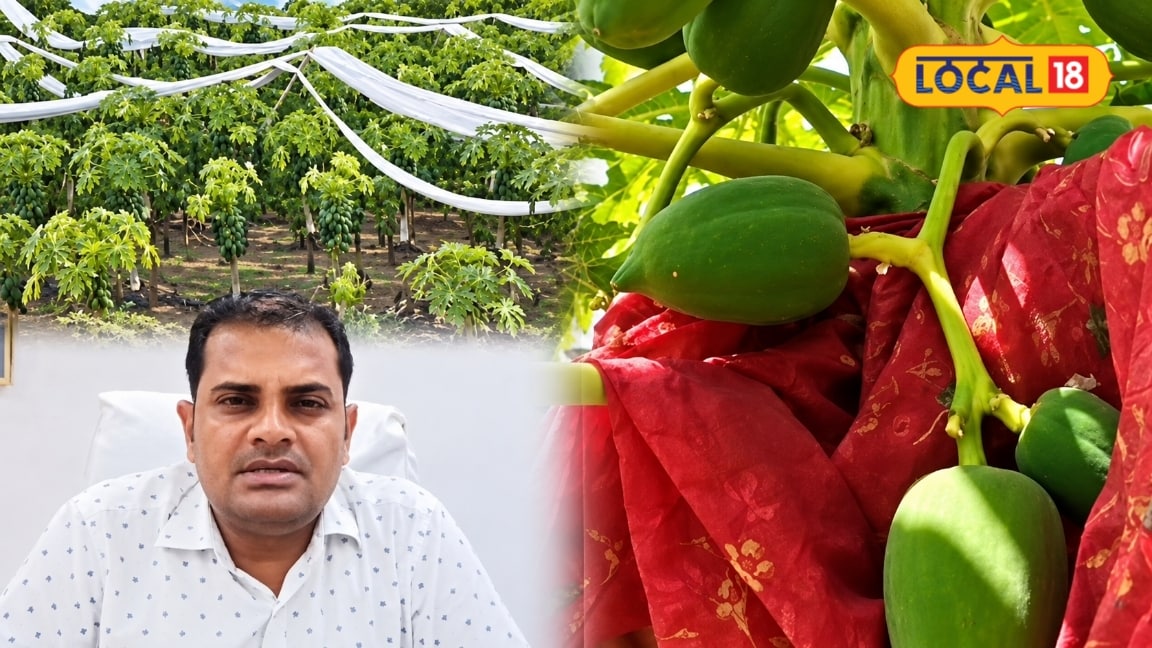
Farmers across the Weir and Bhusawar regions in Bharatpur are actively reshaping their agricultural practices by transitioning toward the cultivation of Taiwanese papaya alongside conventional crops. This significant shift represents a deliberate departure from traditional farming methods toward high-yield horticultural alternatives. Agricultural experts and local cultivators have observed a growing inclination among rural communities to diversify their crop portfolios to maximize land productivity.
The agricultural landscape of Bharatpur has historically relied on standard seasonal crops, which often exposed farmers to market volatility and unpredictable weather patterns. In response to these enduring economic challenges, progressive agricultural practitioners began exploring alternative cash crops capable of generating steady and reliable streams of revenue. The introduction of the Taiwanese papaya variety into local farming circles marks a strategic evolution in regional agrarian practices aimed at bolstering financial security.
Ground realities in the Weir and Bhusawar areas indicate that the Taiwanese papaya variety offers distinct biological advantages over native cultivars. Agronomists note that these plants exhibit a remarkable capacity for higher fruit-bearing density, which directly translates into enhanced commercial output per acre. Local farmers investing in this crop are capitalizing on robust prevailing market demand, ensuring that their harvested produce finds immediate and profitable commercial outlets upon reaching regional mandis.
Agricultural stakeholders, including local farming cooperatives and individual cultivators, have expressed cautious optimism regarding the long-term economic viability of this horticultural venture. Traders and market intermediaries have corroborated that consumer preference for the Taiwanese papaya is steadily rising due to its distinct textural qualities and size consistency. This favorable market reception has provided participating farmers with renewed confidence to expand their operational acreage dedicated exclusively to this premium fruit variety.
The broader regional economy within the district stands to benefit substantially from this agricultural diversification. As successful case studies accumulate across Weir and Bhusawar, neighboring communities are closely observing the financial outcomes achieved by early adopters. Enhanced household incomes resulting from profitable papaya harvests contribute directly to localized rural development, increased purchasing power, and improved living standards throughout the broader agrarian ecosystem.
Institutional support remains a critical pillar in sustaining this transition, with the Department of Horticulture actively providing vital technical guidance to local growers. Departmental officials emphasize that achieving optimal yields necessitates strict adherence to specific agronomic protocols. These include maintaining proper field drainage systems to prevent root rot, executing timely disease control measures, and ensuring rigorous daily crop monitoring throughout the entire growing season.
Looking toward the future, agricultural planners anticipate a steady expansion of Taiwanese papaya cultivation across a wider geographic footprint within the district. As ongoing administrative oversight and extension services continue to educate farmers on advanced horticultural techniques, the region is poised to solidify its reputation as a burgeoning hub for specialized fruit production. Stakeholders remain committed to fostering sustainable farming practices that guarantee enduring economic prosperity for the agricultural community.